02.23.26
Catalan agri-food exports exceed €16,900M and grow 7.48% in value
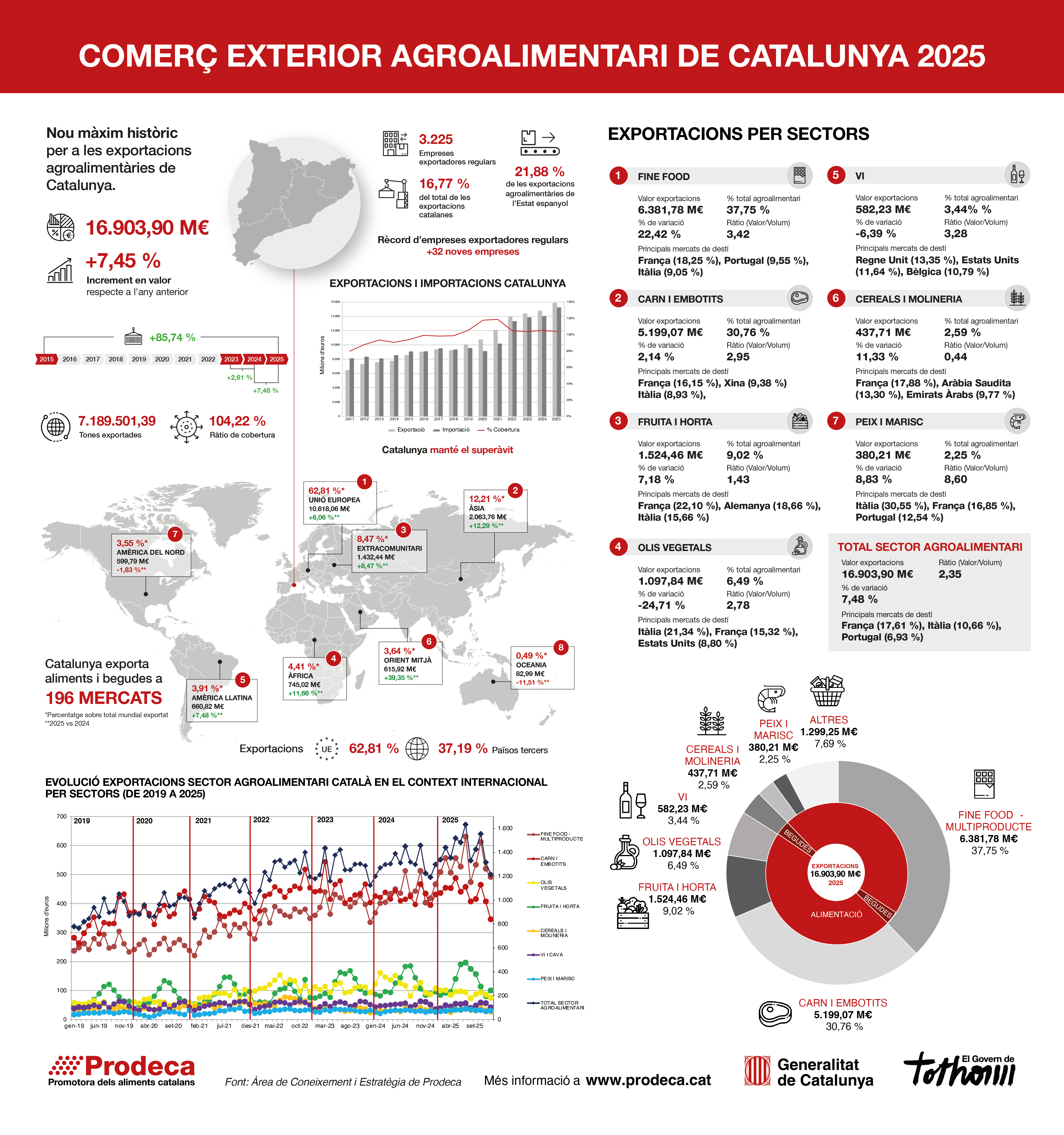
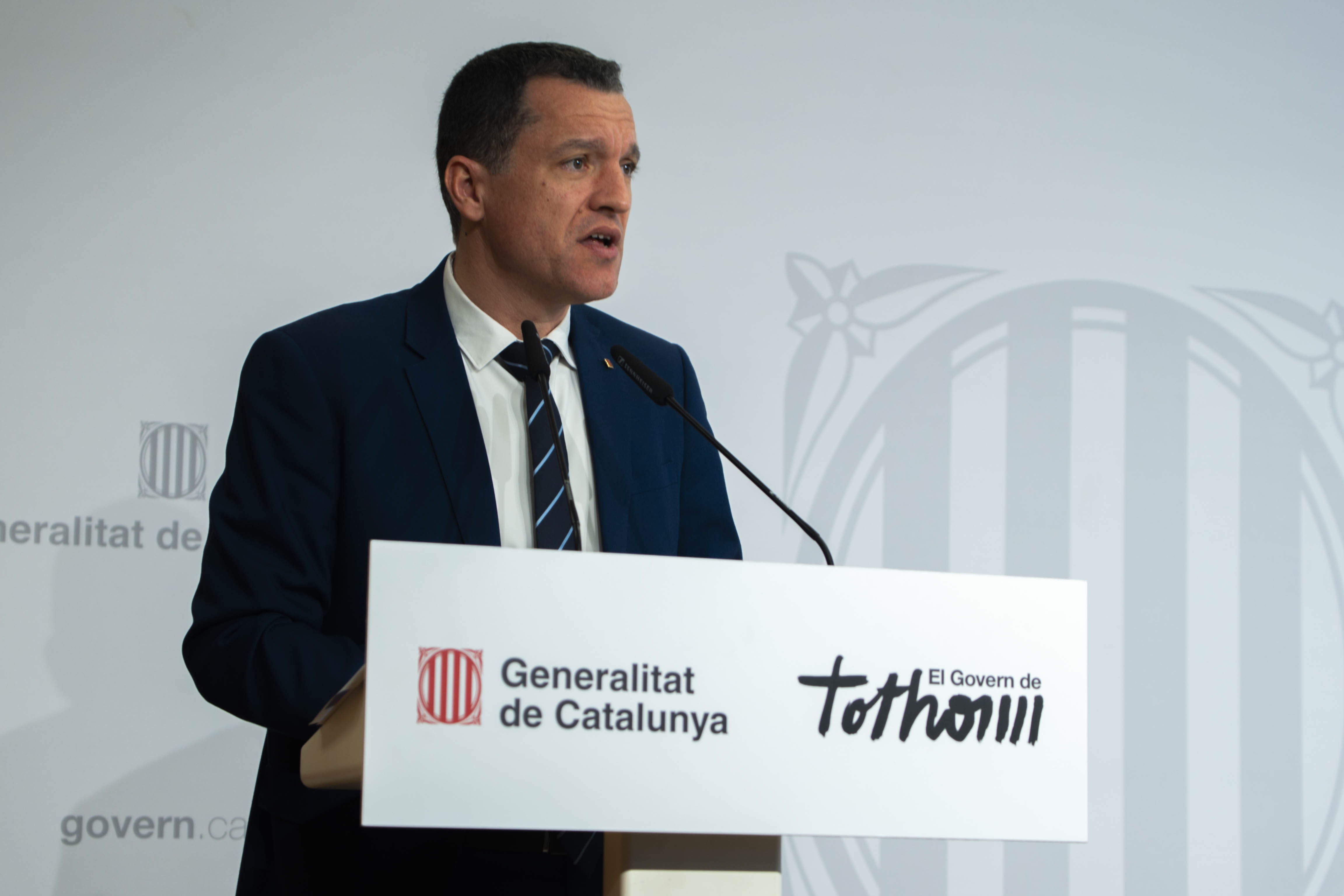
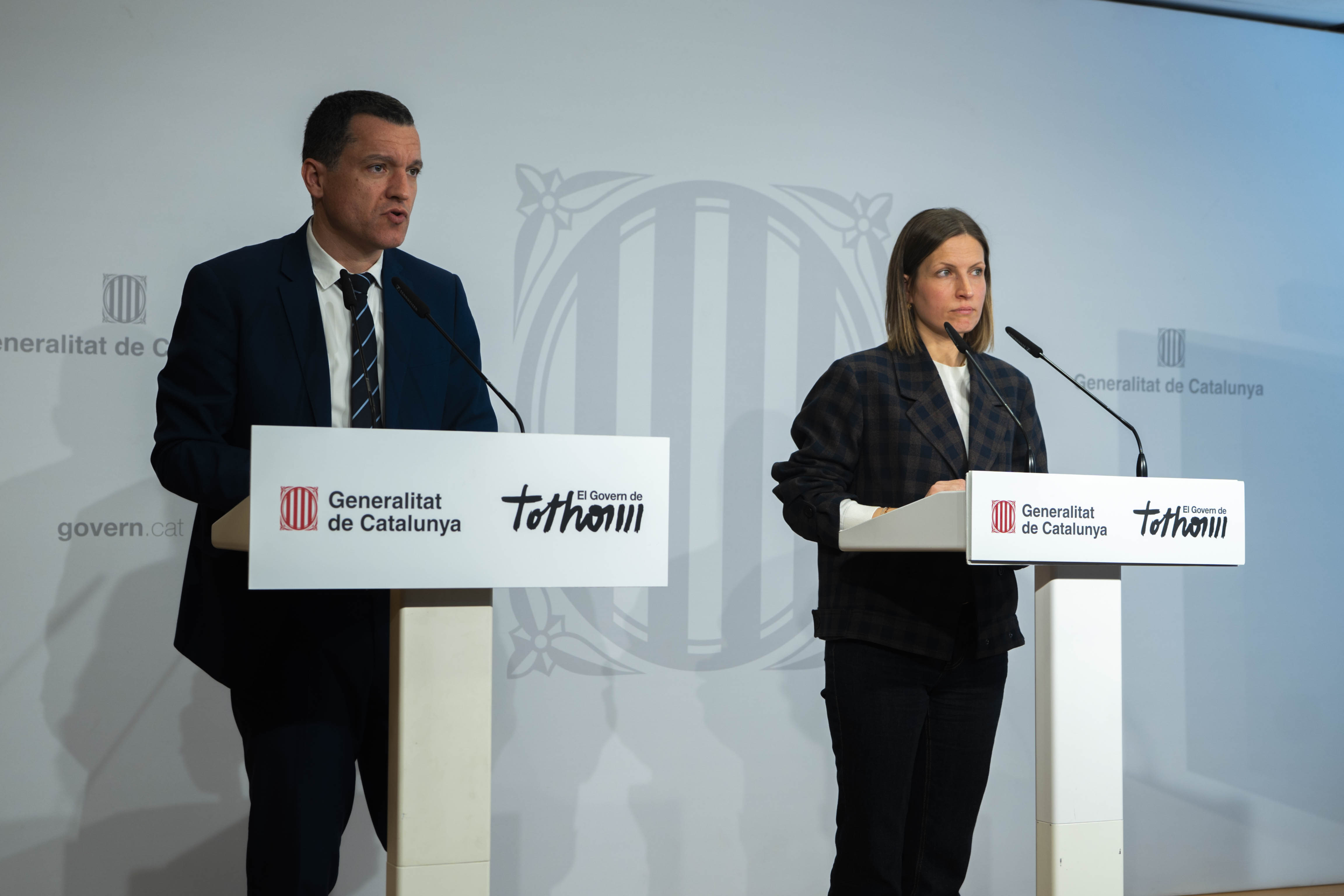
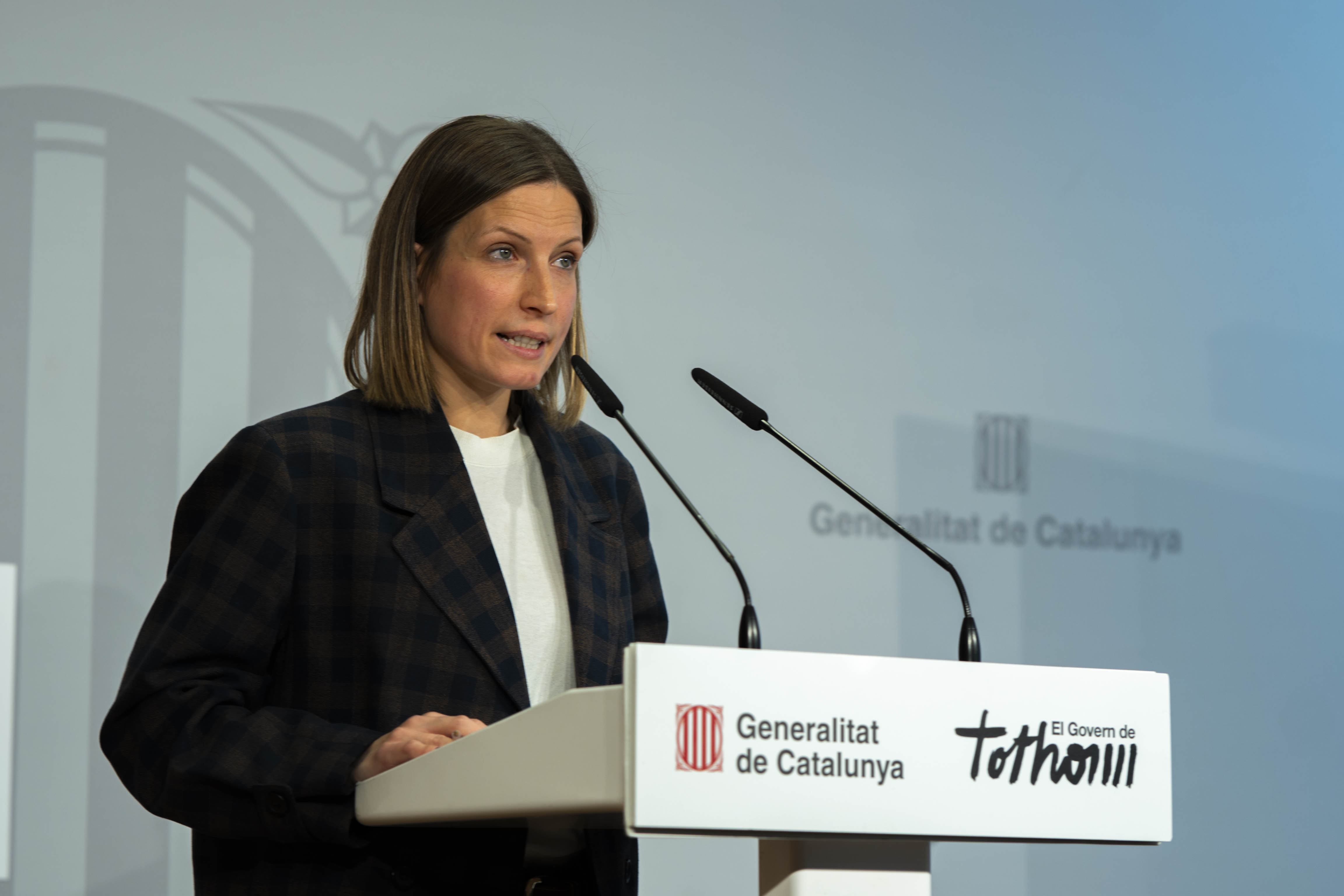
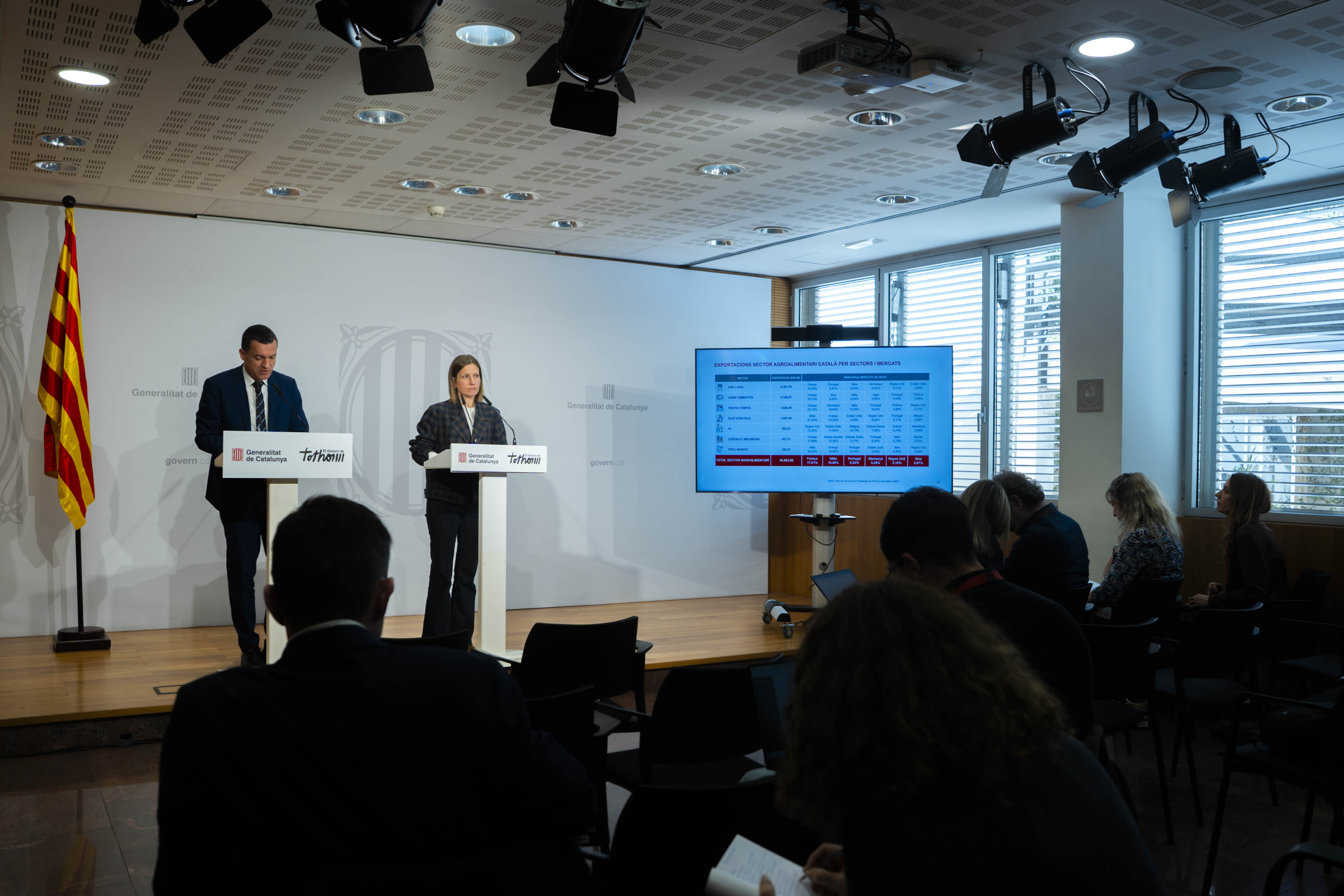
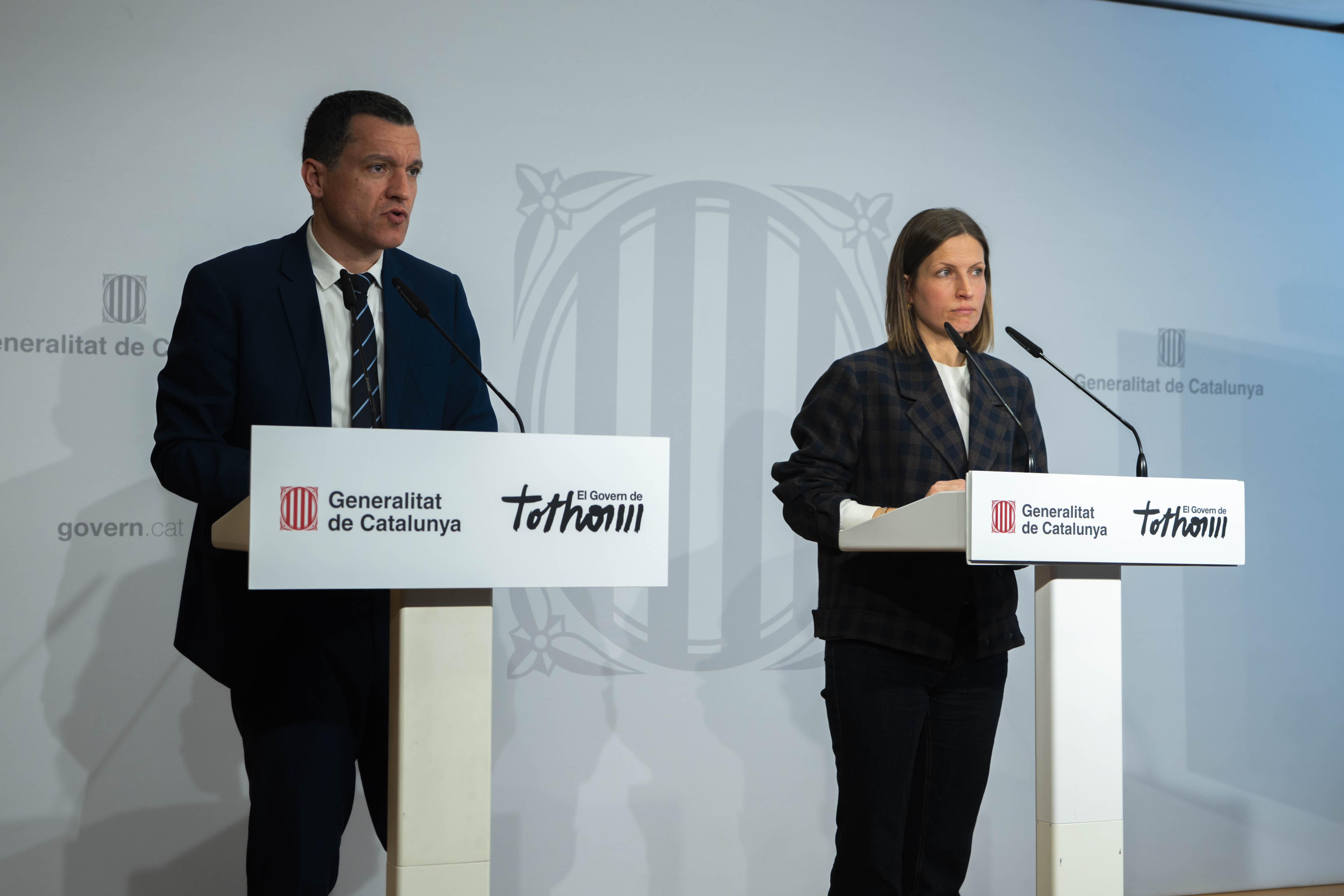
The Minister of Agriculture, Livestock, Fisheries and Food, Òscar Ordeig, and the managing director of Prodeca, Dèlia Perpiñà, presented this morning the 2025 Catalan agri-food export figures. The sector reached a new all-time high with 16,903.90 million euros exported, up 7.48% in value and 7.95% in volume on 2024.
The figures consolidate agri-food as one of the main drivers of the Catalan economy in a year marked by high trade volatility, the entry into force of tariffs in the United States and the emergence of an African Swine Fever (ASF) outbreak at the end of the year.
The Minister of Agriculture, Livestock, Fisheries and Food, Òscar Ordeig, stressed that “since 2017, Catalan agri-food exports have grown above the Spanish and European average. These are strong figures given the difficult context we are living through. We have a resilient exporting agri-food industry and a public-private partnership that means exports are performing more favourably than other sectors of the economy”.
For her part, the managing director of Prodeca, Dèlia Perpiñà, said: “in a particularly complex year internationally, the sector has maintained significant export results and a clear capacity to keep going. The results we are presenting today show that exporting is a national asset”.
Catalonia regains national leadership and strengthens its external weight
With €16,903.90M exported, in 2025 Catalonia regains first place as Spain's leading agri-food exporting region, after Andalusia held the position in 2024. Catalan exports account for 21.88% of the national total and are growing faster than Spain as a whole (+4.06%) and the European Union (+1.04%).
Agri-food remains Catalonia's third largest exporting economic sector, behind semi-manufactured goods and capital goods, and now accounts for 16.77% of the country's total exports. Overseas sales have grown almost seven points above the average for Catalan exports as a whole, reinforcing the sector's driving role.
In trade balance terms, Catalonia exports more than it imports: €16,903.90M against €16,220.19M, with a coverage ratio of 104.22%. The agri-food trade surplus has been sustained since 2019.
A value-focused strategy and sector consolidation
The 2025 figures confirm an export strategy geared towards added value. Over the past decade, Catalan agri-food exports have grown by more than 85% in value and 17% in volume.
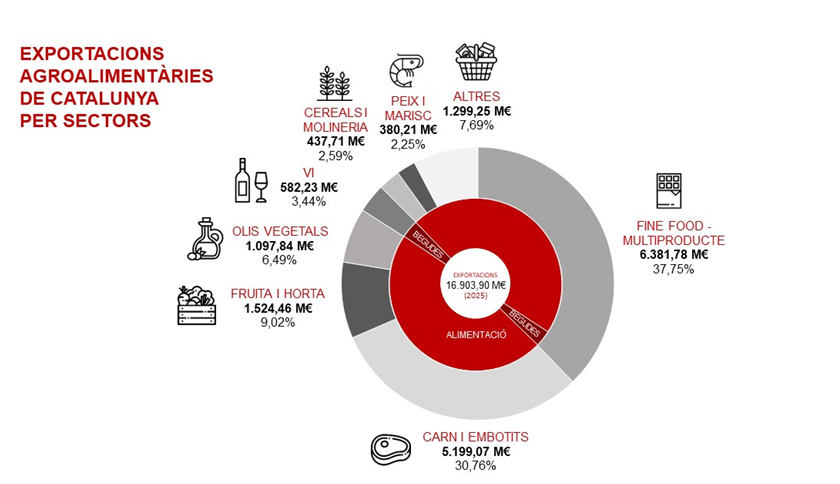
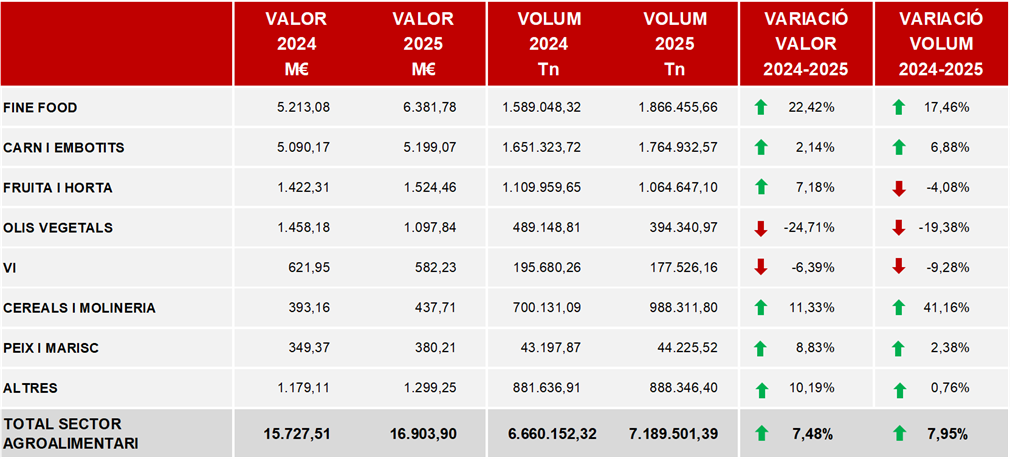
The fine food sector consolidates its position as the leading export sector, with 37.75% of the total and a turnover of €6,381.78M, up 22.42% in value and 17.46% in volume.
The meat sector is in second place (30.76% of export value) and records an increase of 2.14% in value and 6.88% in volume. Pork, which accounts for 71.84% of the meat sector, increased volume by 6.29% but saw a slight adjustment in value (-1.10%), affected by Chinese tariff policy and ASF-related restrictions.
Fruit and vegetables regain third place with growth of 7.18% in value and a 4.08% fall in volume. This contraction is mainly explained by the drop in volume exported in the vegetable segment (-9.76% in value and -20.14% in volume), which pulls down the aggregate result.
Vegetable oils saw an adjustment in value (-24.71%) and a 19.38% fall in volume. Within the sector, olive oil remains the core product and accounts for 53.13% of the value exported. In 2025 it recorded a fall of -36.12% in value but at the same time an increase in volume exported (9.68%). This reflects mainly the normalisation of prices after the record highs of 2024, combined with a partial recovery of the harvest, which increased product availability.
The wine sector saw export value fall by -6.39% and volume by -9.28%, in an international context of shrinking consumption, translating into a 3.19% increase in average price on 2024. The rise in average price reflects the combined effect of a sharper contraction in lower-priced lines and better relative resilience among higher value-added references, pushing up the value/volume ratio.
By category, still wine accounts for 36.14% of total export value and falls 5.29% in value and 6.32% in volume, with a 1.10% increase in average price.Sparkling wines, down -6.42% in value and -9.97% in volume, remain the sector's driver and account for 62.35% of the value of wine exported. Their average price rose by 3.94%.
Cereals and milling products recovered from two years of decline, rising 11.33% in value and 41.16% in volume. Finally, the fish and seafood sector boosted its exports in 2025 with growth in both value and volume, led by European demand and expansion into Asian markets.
Geographical diversification and a stronger European market
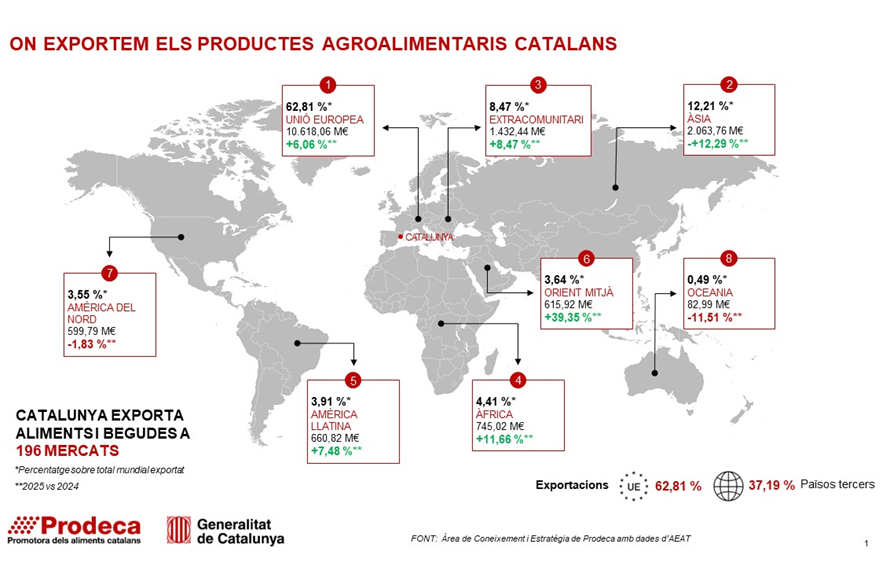
In 2025 the number of destination countries remained stable at 196 markets, an indicator of solidity and diversification.
The European Union accounts for 62.81% of exports and grew by 6.06%, consolidating itself as the benchmark market in an uncertain global context. Meanwhile, third markets recorded a 9.97% increase, with notable growth in the Middle East (+39.35%), Asia (+12.29%) and Africa (+11.66%).
The United States was affected by the entry into force on 7 August of a 15% tariff on most European agri-food products. Since it was applied, export value has fallen by -15.55%, although across the year as a whole the reduction moderated to -3.01%. The sectors most affected were olive oil and wine.
Record number of regular exporting companies
2025 saw a new record for regular exporting companies, with 3,225 firms, 32 more than the previous year. One in four regular agri-food exporting companies in Spain is Catalan (27.82%).
In addition, 317 companies began exporting during the year, broadening the export base and consolidating a sustained culture of internationalisation.
Dèlia Perpiñà stressed that “exporting today is no longer just about selling, but about managing risk and anticipating scenarios. Diversification is no longer an option but a safety net for companies”.
Within this framework, Prodeca and the Department of Agriculture, Livestock, Fisheries and Food will continue driving Catalonia's agri-food export strategy with the aim of adding value to products, broadening the export base, opening new markets and consolidating a presence in current markets.
The 2025 figures confirm the structural strength of the Catalan agri-food sector and place 2026 in a scenario of active alert and strategic adaptation in the face of a changing international environment.
You can download the full report on Catalan agri-food exports 2025 at the following link.

12.07.25
Catalan pork sector exports account for 27% of Catalan agrifood exports
International sales of pork meat and pork products exceeded 4,263 million euros in 2024 and reached 1.33 million tonnes exported.
02.18.25
The Catalan agri-food sector reaches a new historic milestone in international trade
The Catalan agri-food sector set a new record in international trade, reaching €15,727M in 2024, up 2.61% in value on the previous year. This growth consolidates Catalonia as a key player in international markets, highlighting its ability t