


09.21.26
12 Catalan agri-food companies join Prodeca on two scouting trips to the Indian and Malaysian markets
Prodeca, the public company of the Department of Agriculture, Livestock, Fisheries and Food, has organised two business trips to India and Malaysia during September. 12 Catalan companies have joined the initiative with the aim of learning at first hand about the particularities of these markets, their sales channels and the operators working in them, as well as assessing their potential for the Catalan agri-food sector. Following the programme held from 14 to 18 September in New Delhi and Mumbai, a new scouting programme begins this Monday in Kuala Lumpur and will run until 25 September.
Business trips are scouting initiatives that make it possible to analyse the characteristics of a given market and how well Catalan agri-food produce might fit into it.Prodeca and the participating companies follow a shared programme combining meetings with importers and distributors, encounters with professionals, visits to retail outlets and sessions on regulation, consumption and market access. These activities give participating companies a first approach to the country, generate useful information and provide insight into the main players operating there.
India facing a new trade landscape
The first of the two trips took place between 14 and 18 September in New Delhi and Mumbai, with seven Catalan companies from the olive oil, snacks, chocolate and gourmet products sectors, as well as wines and cavas.
During the mission, the Catalan delegation held meetings with institutions, industry associations, importers, distributors, restaurant groups and retail operators. The programme covered both the institutional and regulatory framework and the market's commercial conditions, and allowed the delegation to observe on the ground how imported products are handled.
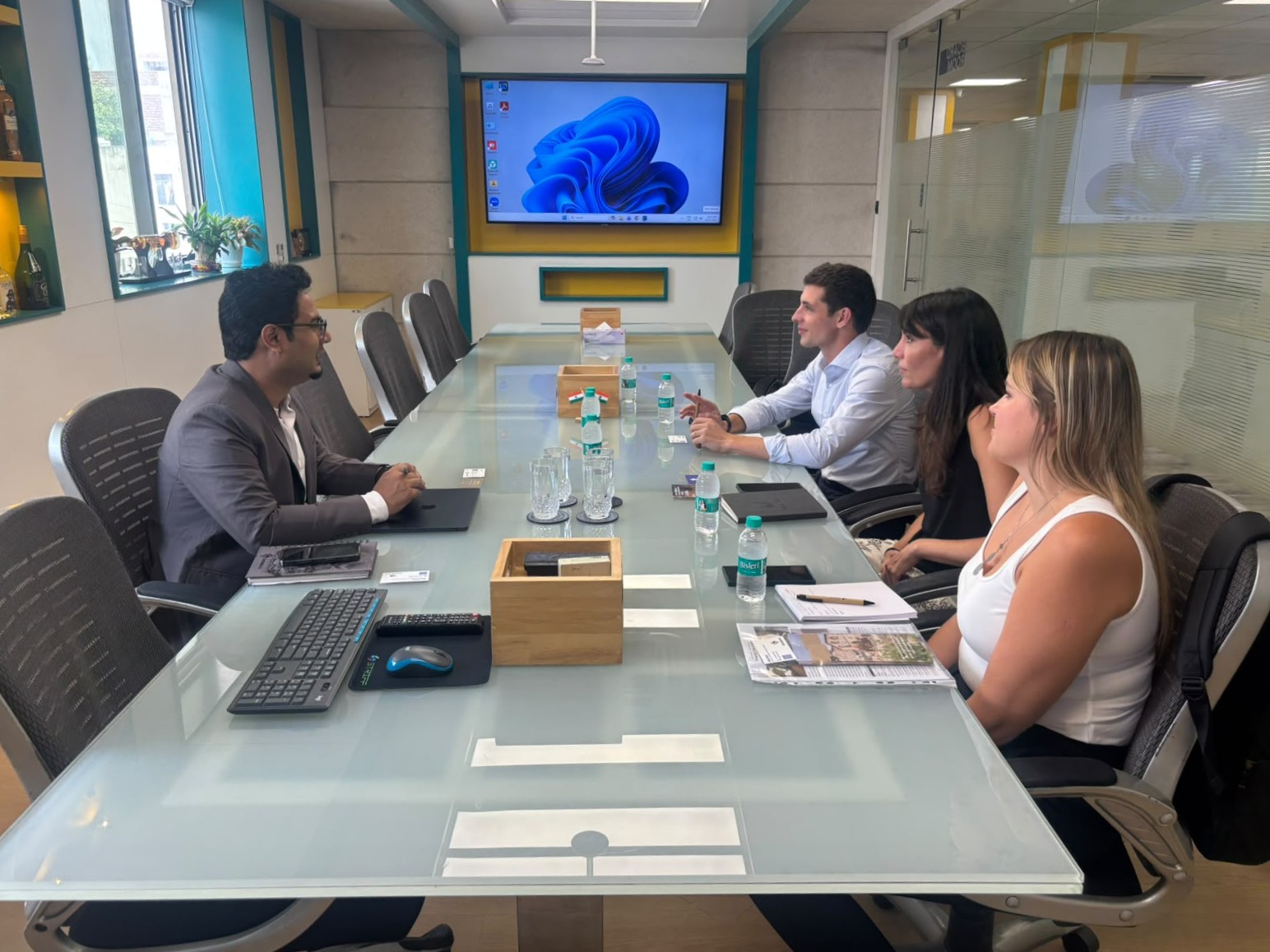
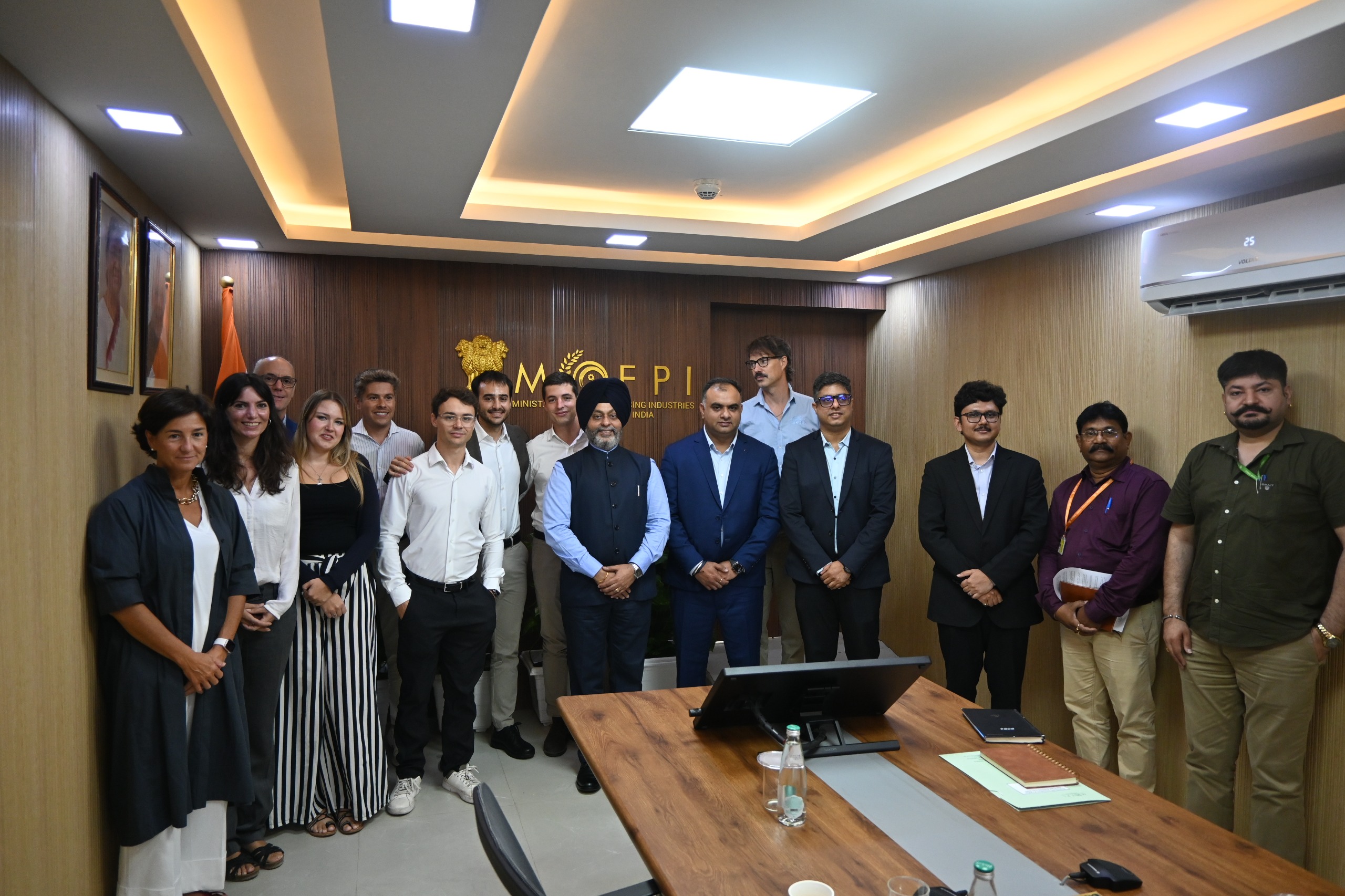
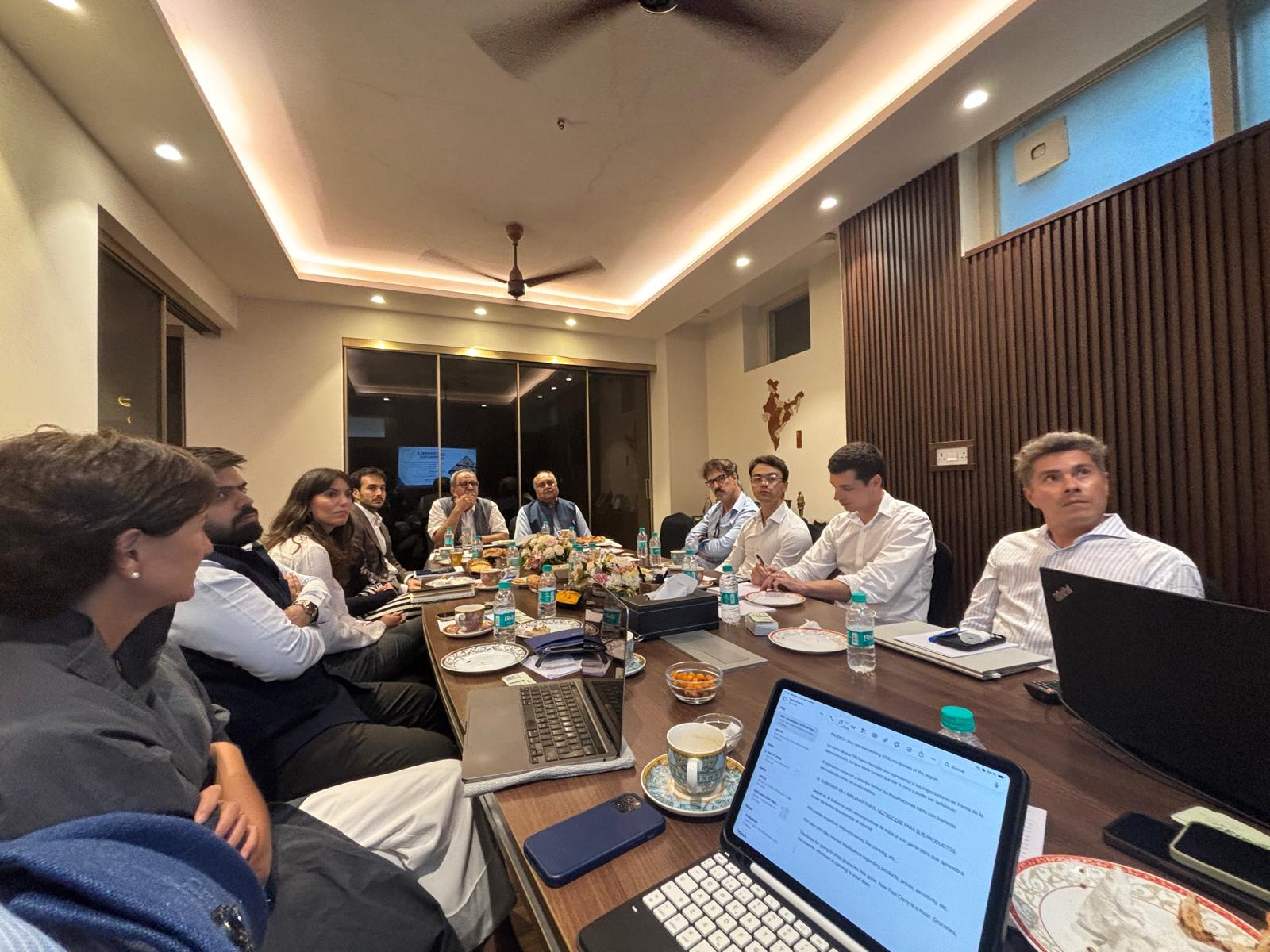
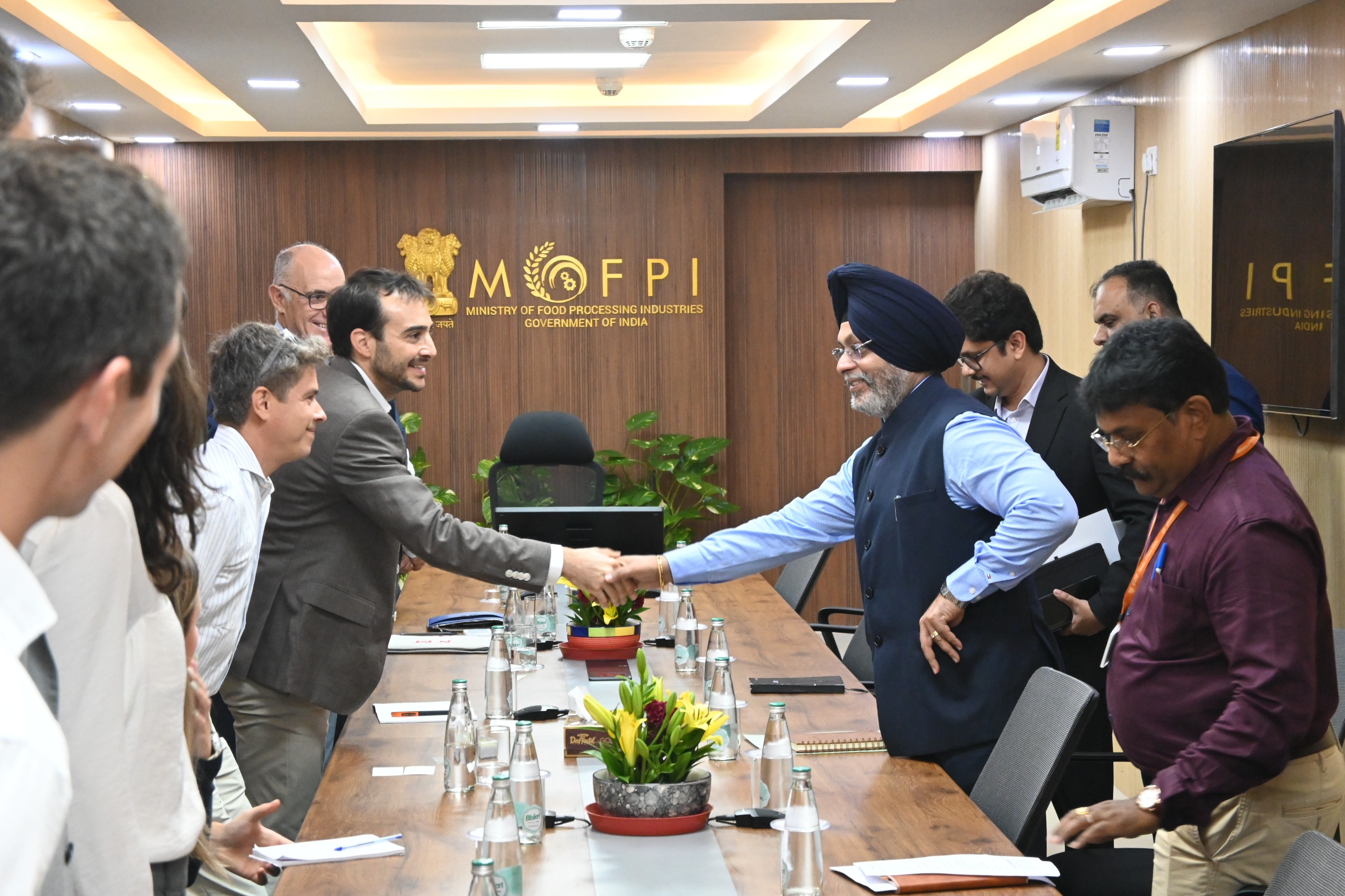
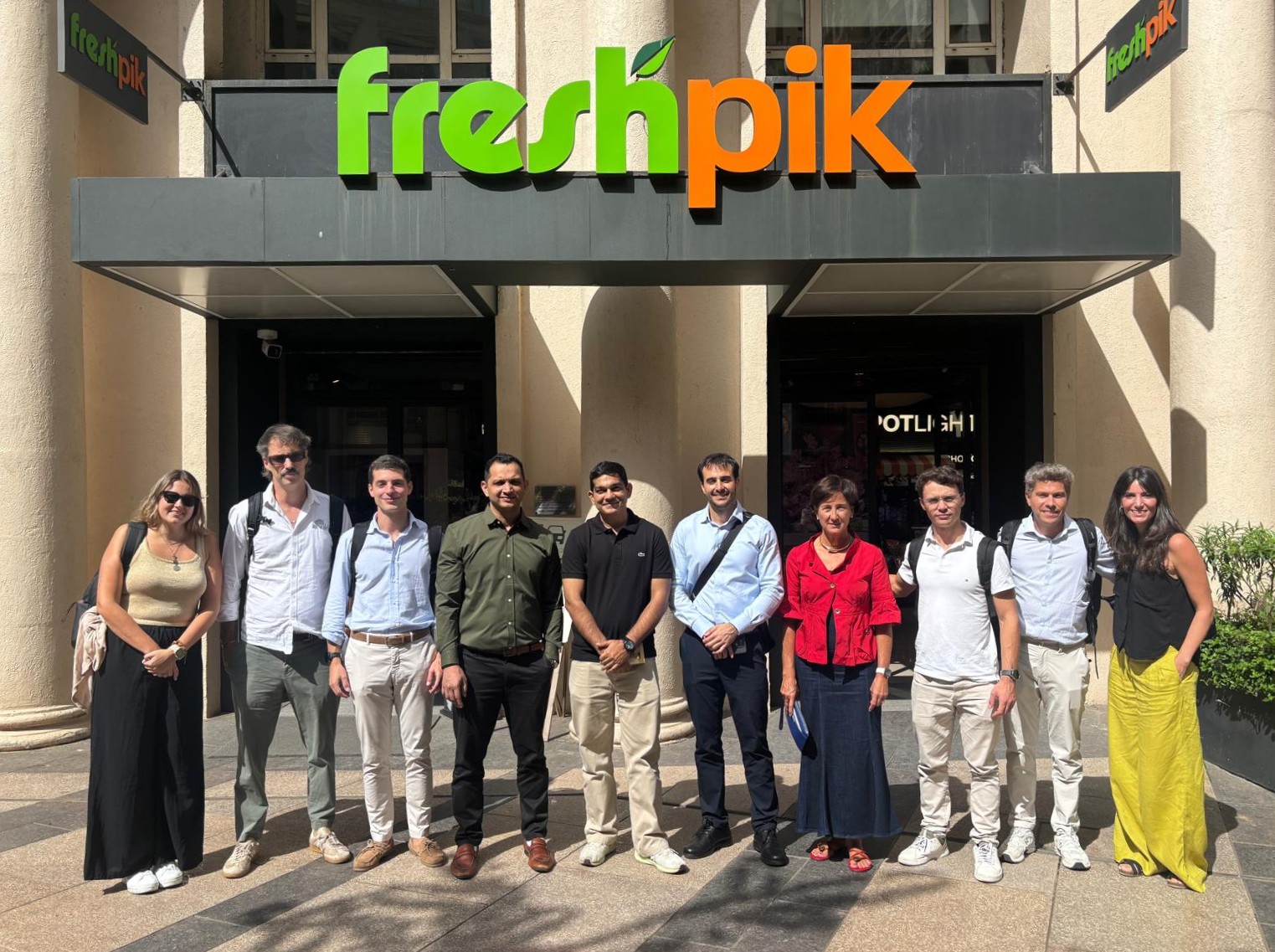
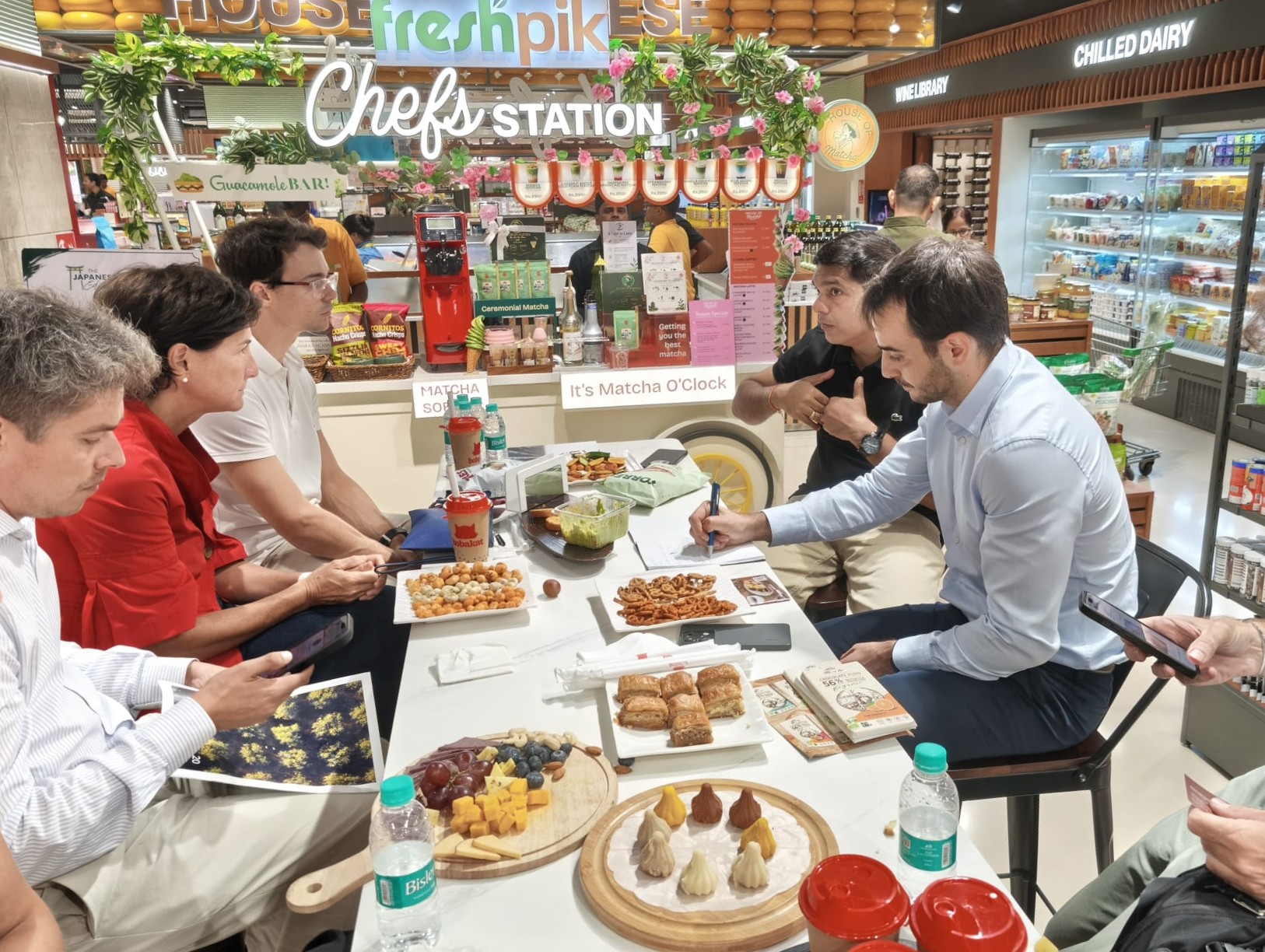
New Delhi is home to many of the regulatory bodies, business associations and operators working in the north of the country. Mumbai, India's main financial and commercial centre, has a more developed offer of premium retail, specialist importers and digital channels. Combining the two cities made it possible to compare different routes to market in a large market with significant regional differences.
With more than 1.47 billion inhabitants, India is the world's most populous country and one of the fastest-growing economies. The expansion of the urban middle classes, the modernisation of retail and the rise of e-commerce are increasing demand for imported, healthy, differentiated and high-end products.
Catalan agri-food exports to India reached 34.4 million euros in 2025, growing by 167.16% in value over the past five years.At present, 106 Catalan agri-food companies export to the country, 40 of them regularly. The leading categories include vegetable oils, especially olive oil, and fine food products.
This process coincides with the conclusion of negotiations on the Free Trade Agreement between the European Union and India, announced in January 2026. The agreement, still pending legal review and ratification, provides for progressive tariff reductions on categories such as olive oil, wine, chocolate, snacks and other processed foods. Improved access conditions may broaden commercial opportunities for European producers, but will also bring more intense competition between producing countries.
Malaysia, a priority market in the Southeast Asia strategy
The second activity begins on 21 September in Malaysia with six Catalan companies from the wine, olive oil and pork sectors. The trip aims to explore the opportunities the country offers for these categories and to provide direct knowledge of its main channels, operators and demand segments.
The programme includes meetings with eight importers and distributors interested in wines, gourmet food, olive oil, charcuterie and pork products. It also features meetings with chefs and managers of three restaurants, two visits to retail and wholesale operators and a scouting visit to MIHAS, the Kuala Lumpur halal trade fair.
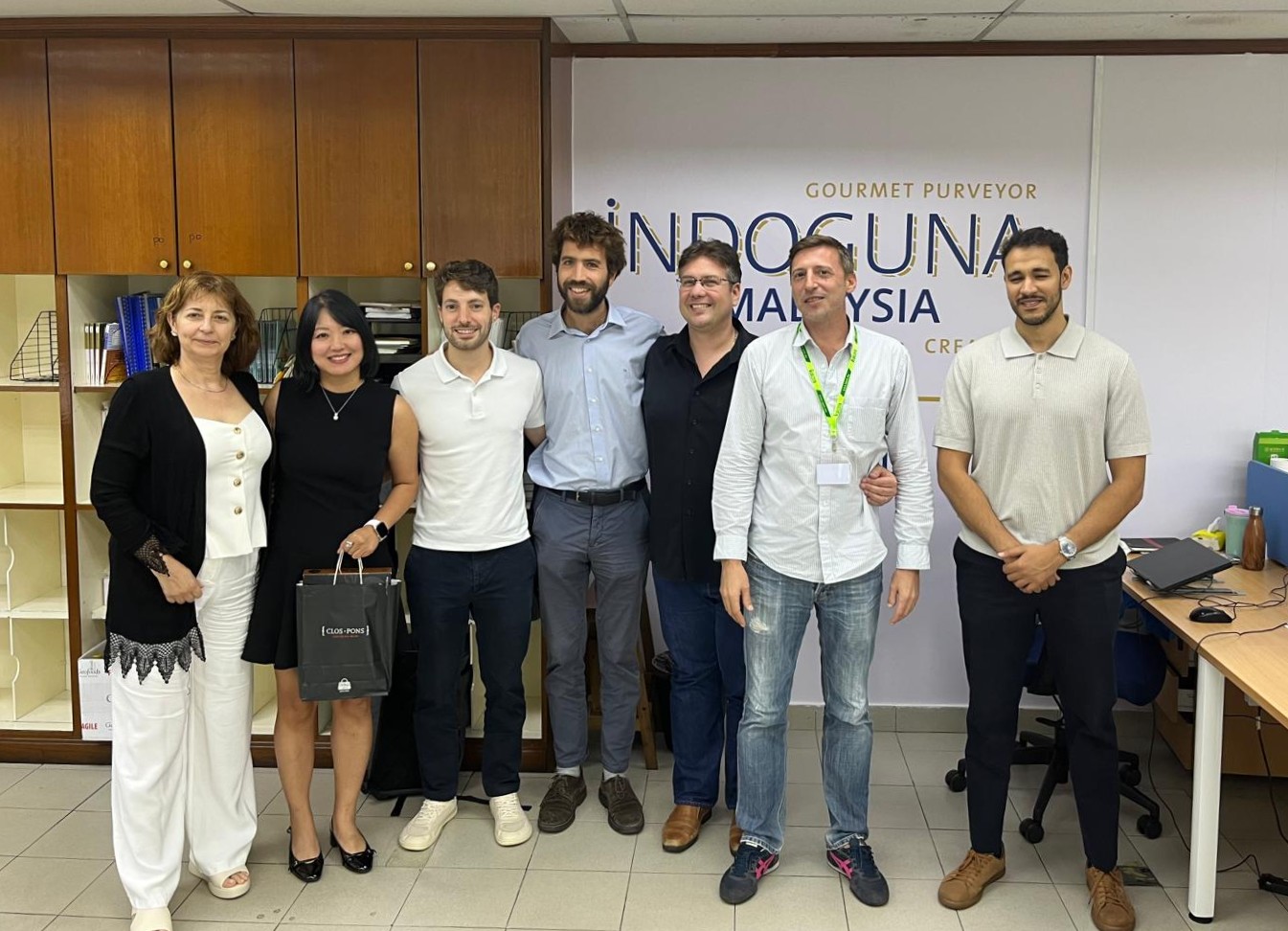
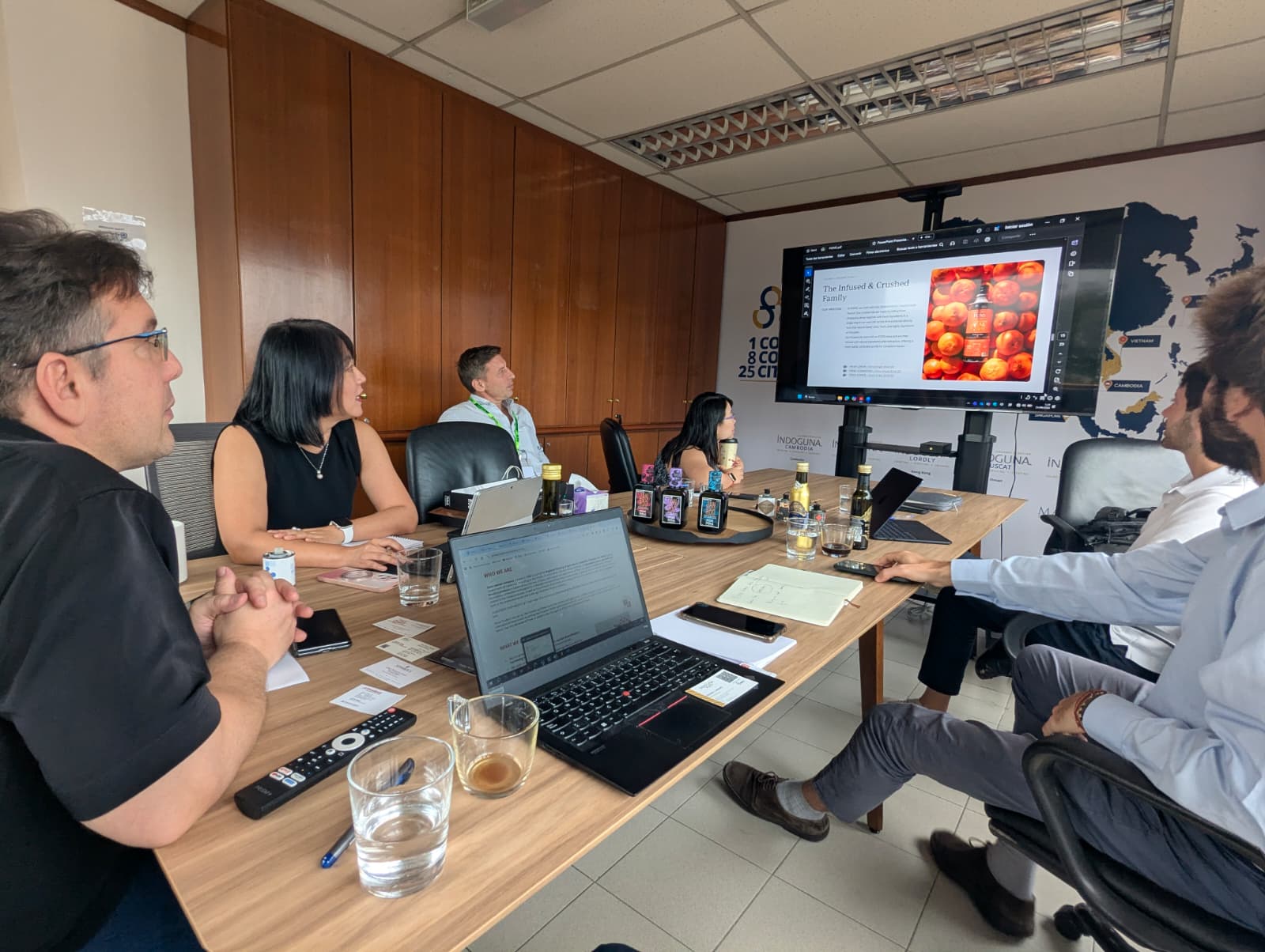
Malaysia is a moderately sized market but of strategic interest for Prodeca's work in Southeast Asia. The country plays an internationally leading role in the halal field thanks to its robust regulatory framework, the recognition of its certification systems and the existence of a specialist business ecosystem. This position makes it possible to understand access conditions to the halal segment and to observe how it is developing in other countries in the region.
The reality of the market, however, goes beyond halal consumption. The multicultural make-up of the population, with a large community of Chinese origin, generates diverse demand and distinct consumer segments.The non-halal segment carries significant weight and includes categories such as pork meat products, found especially in specialist distribution, the restaurant trade and certain retail outlets.
The country's level of economic development, the presence of modern distribution channels and its hotel and dining offer make it a market of interest for wines, olive oils and value-added foods.During the trip, the delegation will analyse the characteristics and workings of channels such as high-end retail, Horeca and food service.
Market intelligence before defining market entry
Business trips provide a first direct reading of the market, allow available information to be verified on the ground and give insight into how distribution channels work.For companies, this scouting helps assess how well their products fit and what adaptations might be needed. For Prodeca, it provides information to fine-tune its lines of work and identify areas requiring deeper analysis.
Once the business trips are complete, Prodeca will analyse the information gathered, the input from operators and the issues identified by the participating companies. The findings will make it possible to adjust its lines of work in these markets and, where appropriate, assess the most suitable activities.

09.10.26
Prodeca organises two business trips to India and Malaysia to explore new marketing channels
13 Catalan agri-food companies will take part this September in two scouting missions to learn at first hand about the marketing channels, operators and opportunities offered by the Indian and Malaysian markets.

11.14.24
Prodeca runs a business trip to Morocco to boost trade relations between meat sector companies
Prodeca, in collaboration with Anafric, is organising a trade mission to Morocco to strengthen commercial relations between sheep and beef meat companies and Morocco, explore new avenues of collaboration and reinforce the Catalan brand's le