


10.29.25
Catalonia, world epicentre of kombucha
Barcelona hosted this October els World Kombucha Awards 2025, establishing itself as the European capital of a drink winning followers all over the world. Over three days, the BCN Kombucha Weekend brought together more than 360 products from 39 countries, with tastings, conferences and an awards ceremony that crowned the best kombuchas on the planet. Among the winners, the Catalan Kombucha La Valiente stood out, awarded best innovation, and Soul K, also of Spanish origin, as best global producer.
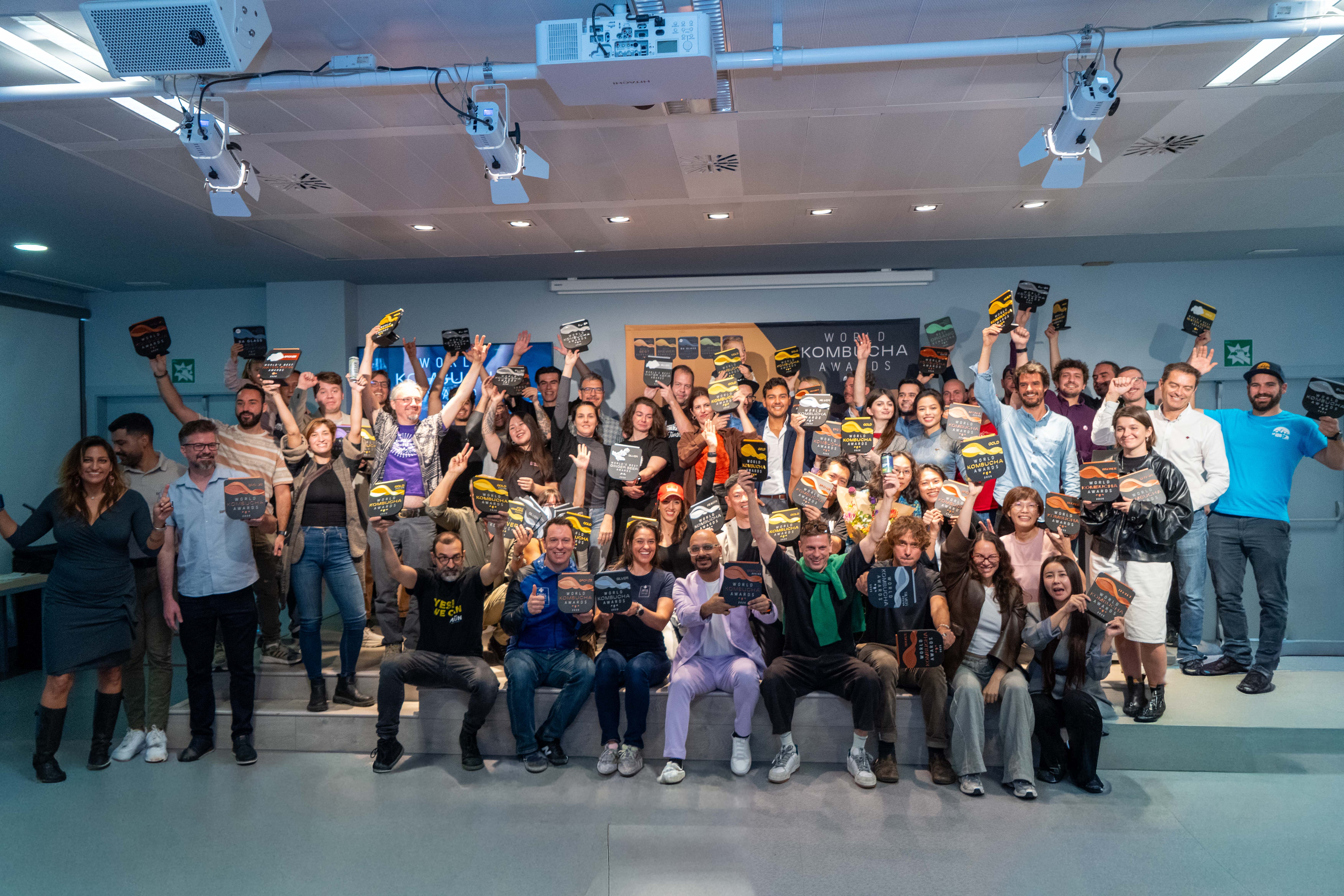
This event has not only put Catalonia on the sector's international map, but also reflects a growing reality: kombucha is no longer a fad, but an established category within the healthy drinks market.
Kombucha, a fermented tea-based drink, has gone from being a novelty to becoming an established category within the healthy drinks segment in Spain. In 2025 its growth continues, albeit at a more moderate pace than in the first years of expansion.
Market data: a category that is consolidating
The Spanish kombucha market has reached 22 million euros in sales and a volume of 2.9 million litres sold in 2025. These figures confirm the consolidation of a category that, despite having lost its initial exponential growth momentum, maintains a positive trend thanks to its growing presence in large retail and the interest in functional drinks.
In Catalonia, kombucha has found a particularly receptive market niche, with sales exceeding 5.3 million euros a year, positioning it as the autonomous community with the highest consumption of this drink.
Between 2020 and 2022, the sector saw 580% growth, going from €3.1M to €21.1M, and from 445,000 litres to almost 3 million. This growth has been driven by demand for healthy products, but also by innovation and the diversification of flavours and formats.
Consumption trends and challenges
The kombucha consumer profile is health-conscious, urban and young, with particular prevalence among millennials and generation Z. This audience is looking for alternatives to sugary soft drinks and values the benefits of probiotics, antioxidants and natural ingredients.
The key trends include:
- Innovative formats: growth of kombucha in cans, more practical and sustainable.
- New flavours: from classics such as ginger and lemon to exotic combinations such as lavender-plum or mango-chilli.
- Functionality: growing interest in kombuchas with adaptogens, vitamins, or ingredients that boost the immune system.
- Omnichannel distribution: growing presence in supermarkets, organic shops, online channels and subscription services.
Even so, the sector still faces significant challenges:
- High price: kombucha is still perceived as a premium drink.
- Lack of product awareness: many consumers still do not understand what it is or what benefits it brings.
- Lack of clear regulation: the legal classification of kombucha (soft drink, functional food, etc.) creates uncertainty among producers and distributors.
The global kombucha market is expanding rapidly, with a forecast annual growth of 19.5% through to 2035. In Europe, the market could reach 1 billion euros in 2034, with Germany and France as leaders, but with Spain gaining ground thanks to its gastronomic culture and the growing interest in fermented drinks Business Research Industry.
Catalonia, land of kombucha
The Catalan territory is home to some of Spain's most prominent brands. Flax & Kale, based in Lleida, is one of the market's leading players, with a production capacity it aims to multiply by five in the coming years, going from 15 to 75 million bottles a year.
There are also initiatives such as Mūn Kombucha (Mataró), which is committed to research and development and has been internationally recognised with several awards at the World Kombucha Awards. Another leading brand is Kombutxa La Valiente (Alcover), which has positioned itself as a benchmark in innovation and sustainability within the sector.
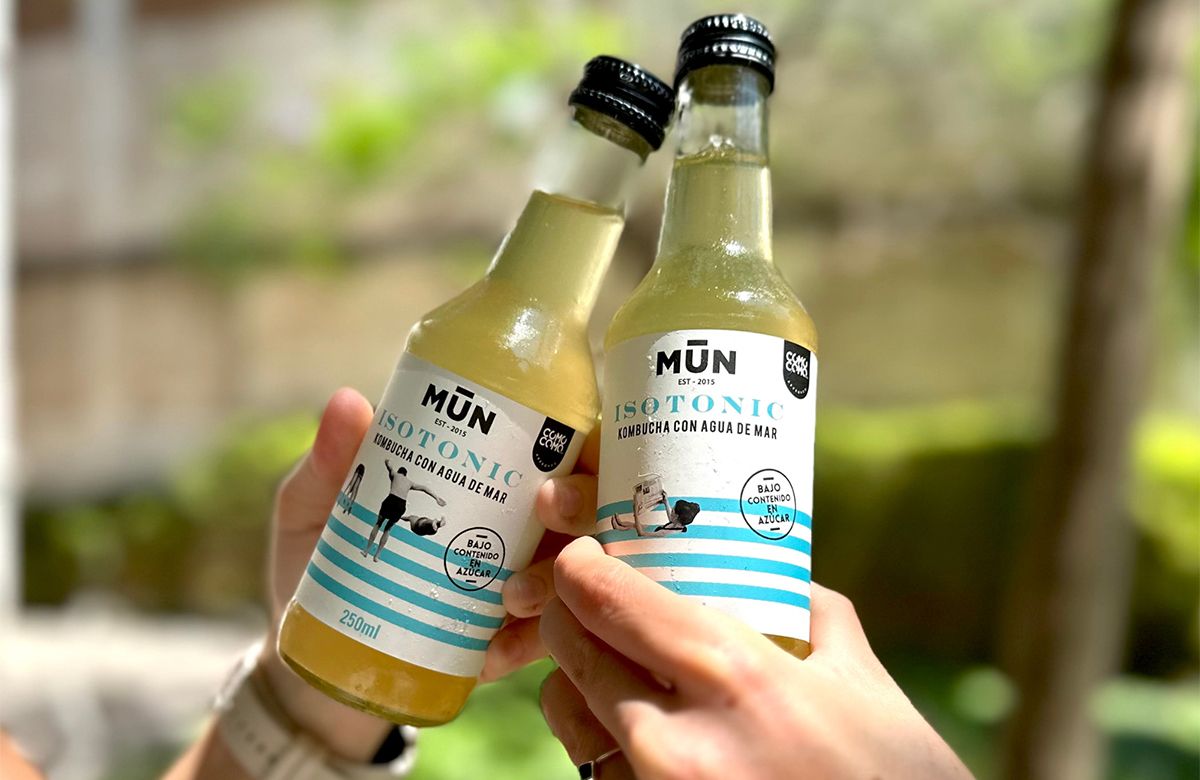
It is also worth highlighting VITAE Kombucha, based in Pineda de Mar, which makes artisan kombucha with organic, locally sourced ingredients such as volcanic water and green tea. Founded in 2017, the company has grown steadily and is committed to sustainability, innovation and conscious consumption, positioning itself as one of the brands with the most character on the Catalan scene.
These companies not only make a healthy, organic product, but also contribute to the diversification of the Catalan agrifood sector, opening up new opportunities for internationalisation and added value.
An opportunity for the agrifood sector
Kombucha represents a strategic opportunity for the Catalan agrifood sector. Its production process —based on fermenting tea with sugar and symbiotic cultures— allows local ingredients such as fruits, aromatic plants or spices to be incorporated, fostering the connection with the territory and gastronomic innovation.
In addition, the growing interest in functional and alcohol-free drinks opens the door to new consumption segments, especially among young, health-conscious audiences. In this context, Catalonia can become a leading hub in the production and export of kombucha, drawing on its experience in healthy food, sustainability and internationalisation.

11.13.23
The rise of kombucha in Spain: exponential growth of 580% in two years
In a surprising turn of events for the healthy drinks market in Spain, kombucha has emerged as a rising star, posting impressive sales growth of 580% over the last two years.