03.10.22
The 2nd Catalan Food Forum makes the case for the commercial competitiveness of local sourcing
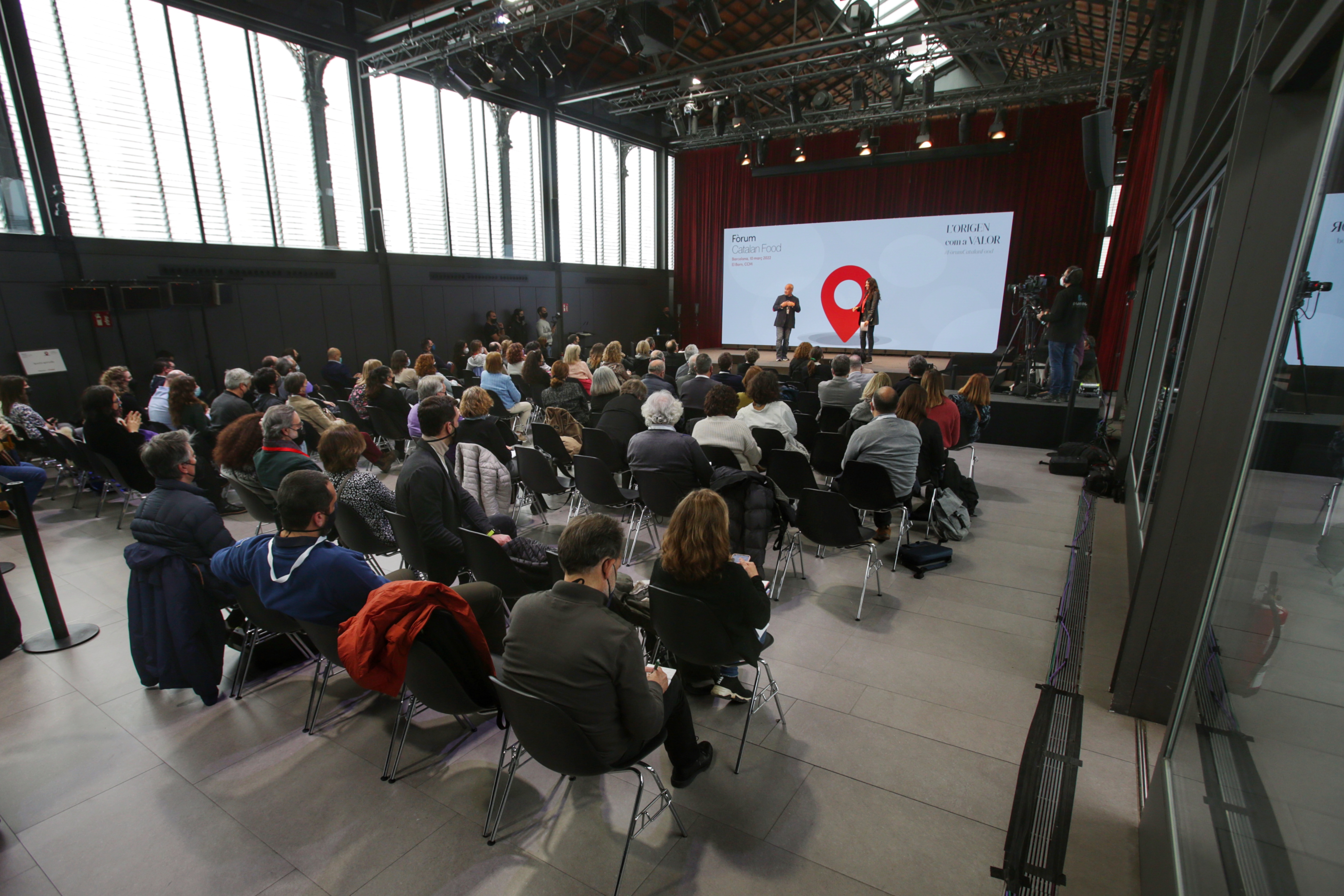
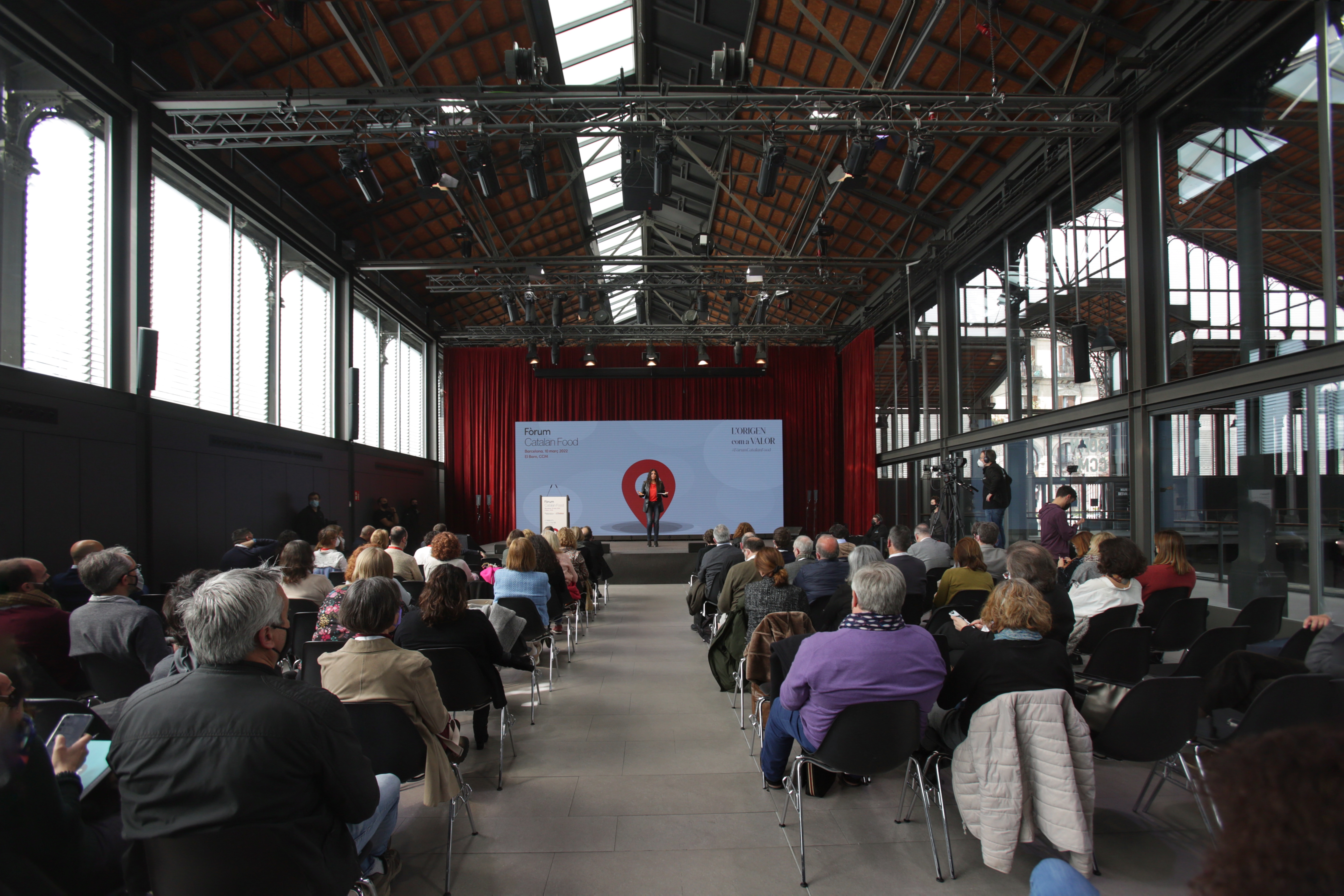
- More than 350 companies, players and professionals from the agri-food sector took part in the 2nd Catalan Food Forum organised by PRODECA – Department of Climate Action, Food and Rural Agenda, held this morning at El Born Centre de Cultura i Memòria in Barcelona.
- The Catalan Food Forum establishes itself as the main business meeting point for the Catalan agri-food sector, in a day of debate and networking under the title 'Origin as value'
- The event also hosted the closing session of the EUREGA project, with experts from across Europe debating how to promote a more sustainable food system through public procurement
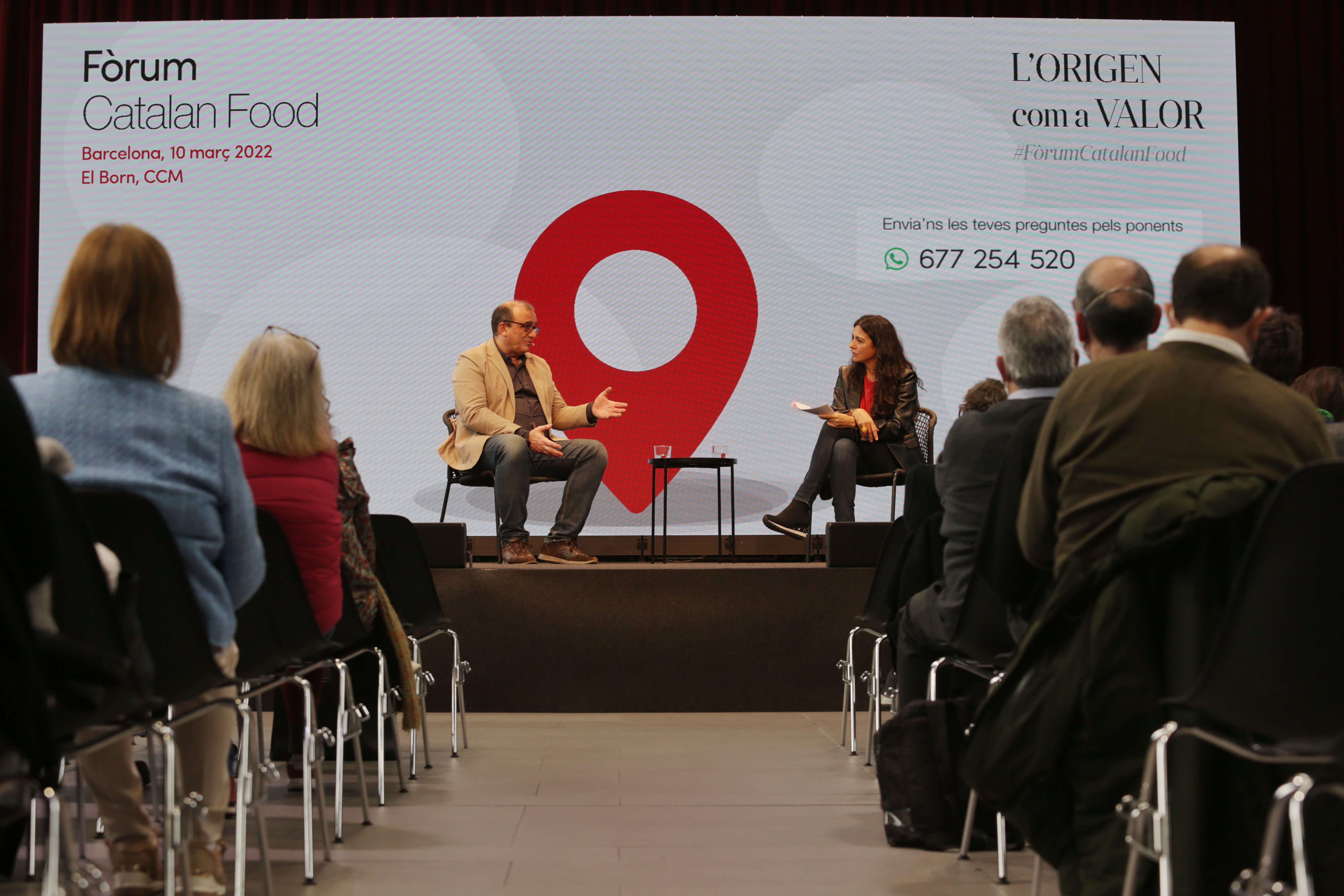
More than 350 companies, players and professionals from the Catalan agri-food sector took part this morning in the II Fòrum Catalan Food, organised by PRODECA – Department of Climate Action, Food and Rural Agenda. The event, held at El Born Centre de Cultura i Memòria, returned to an in-person format after the previous year's edition was cancelled because of pandemic restrictions, and was also streamed live on Prodeca's website.
Under the title "Origin as value", the event addressed competitive commercial strategies around local food. It featured talks from various experts offering insights and knowledge on how to capitalise on the origin of local products, plus a networking lunch among attendees, sector players and speakers.
Local sourcing, a commercial trend taking hold
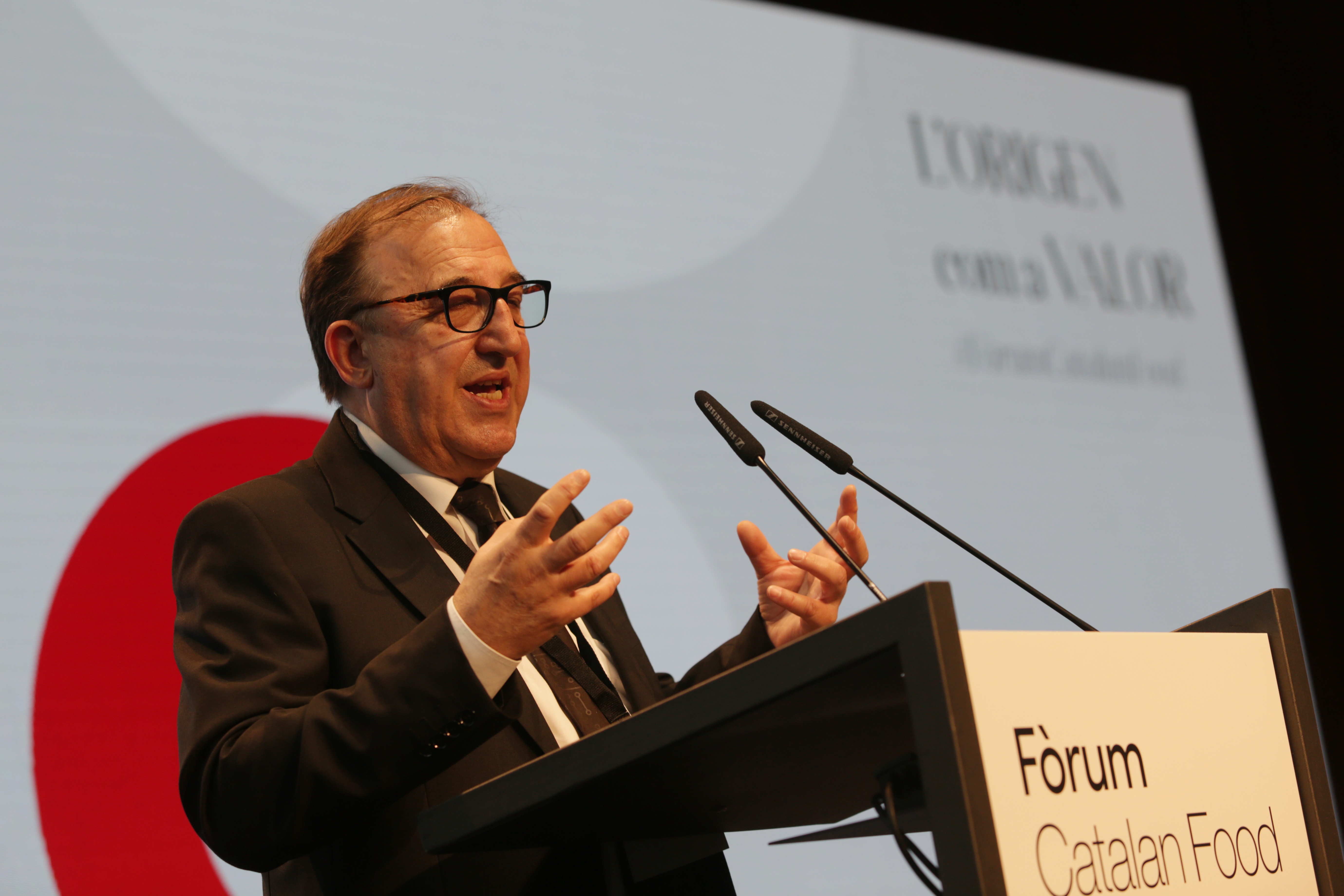
The Secretary for Food at the Department of Climate Action, Food and Rural Agenda, Carmel Mòdol, welcomed those attending. In his talk, Carmel Mòdol referred to the Strategic Food Plan for Catalonia (PEAC) and its commitment to local produce.
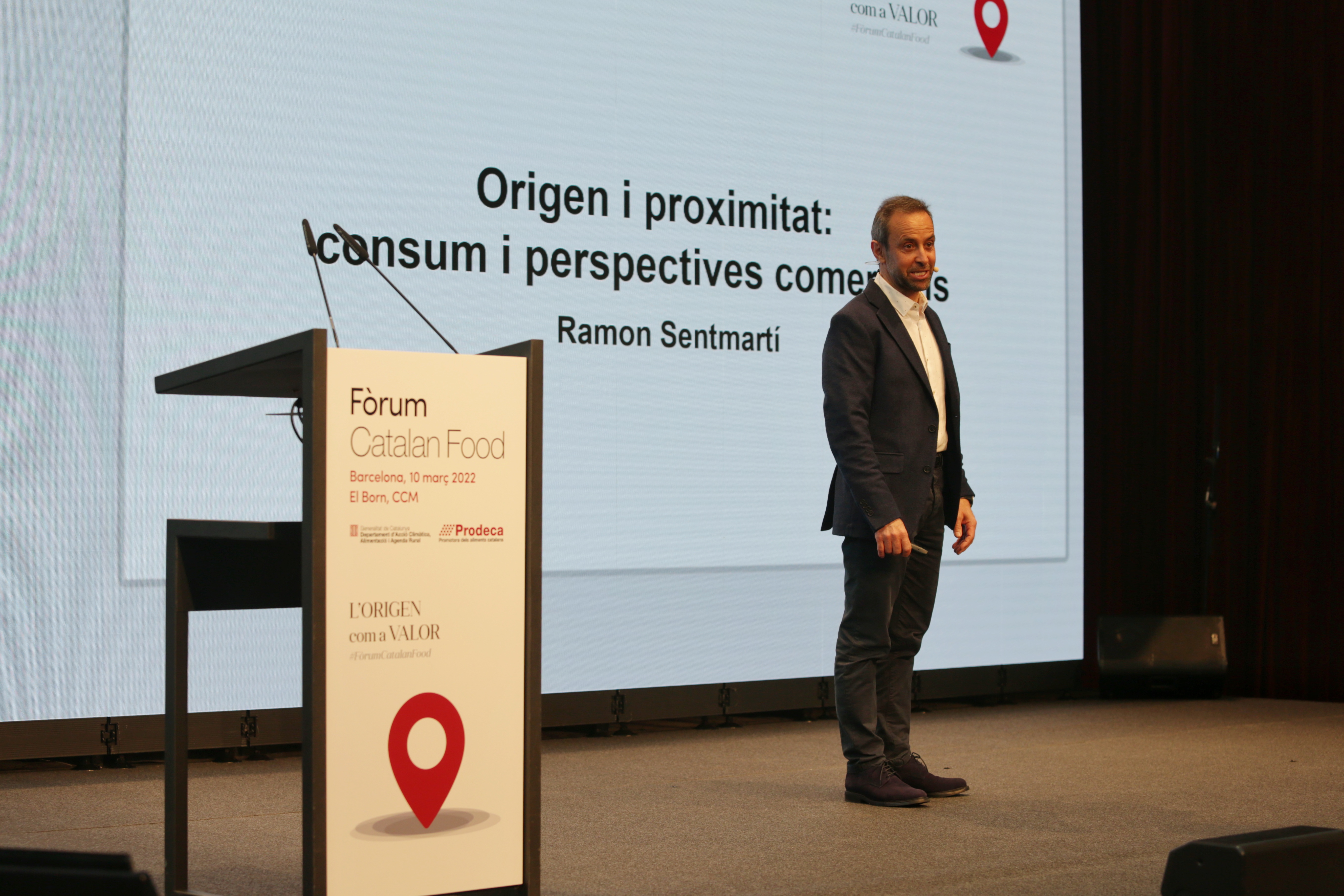
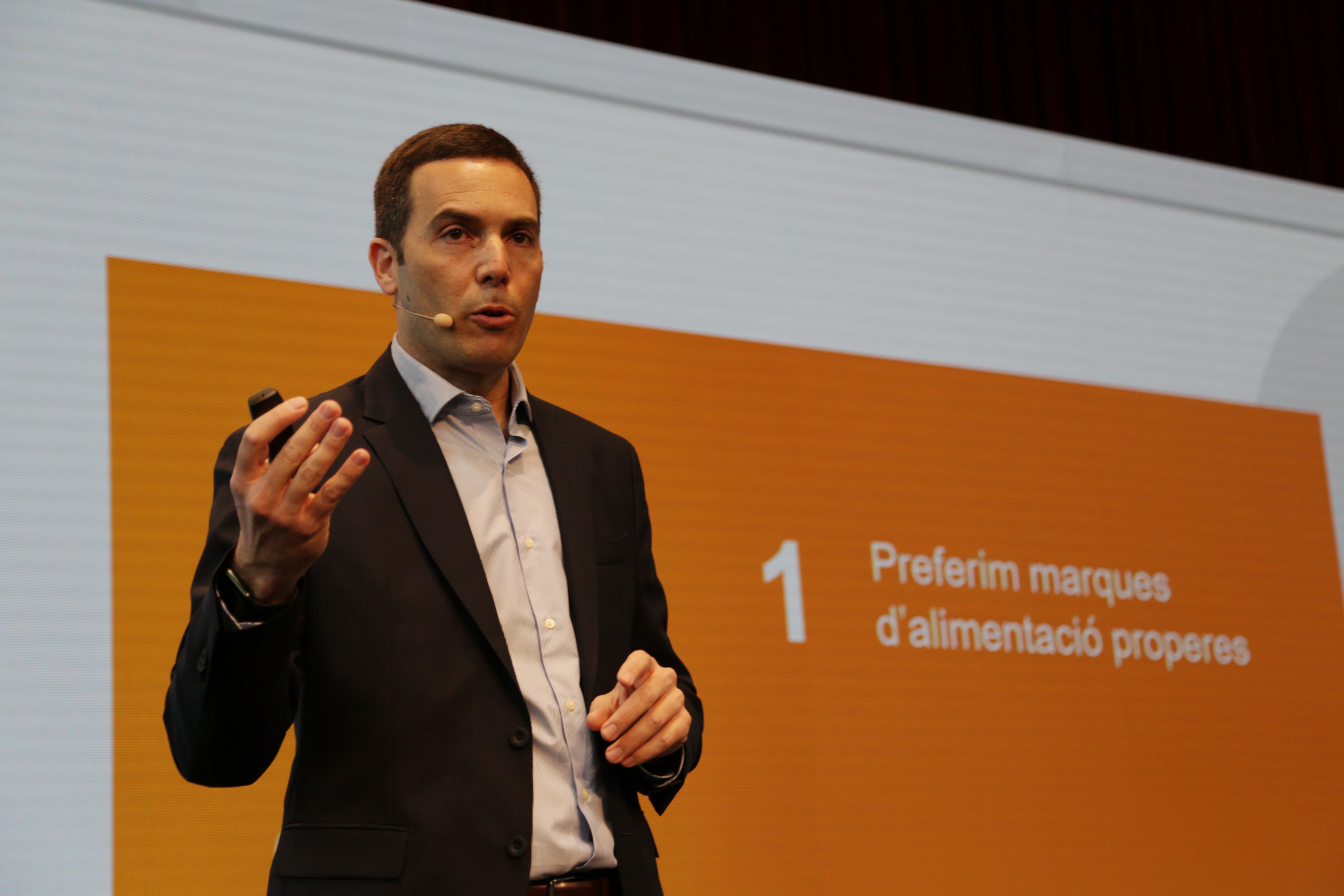
For his part, Prodeca's managing director, Ramon Sentmartí, presented to the agri-food sector the 'Mapping the consumption and marketing of local, short-chain agri-food products', a report produced by Prodeca with the aim of sizing the market value of local products based on the perceptions of consumers, distributors and producers holding the "Local Sales" label.
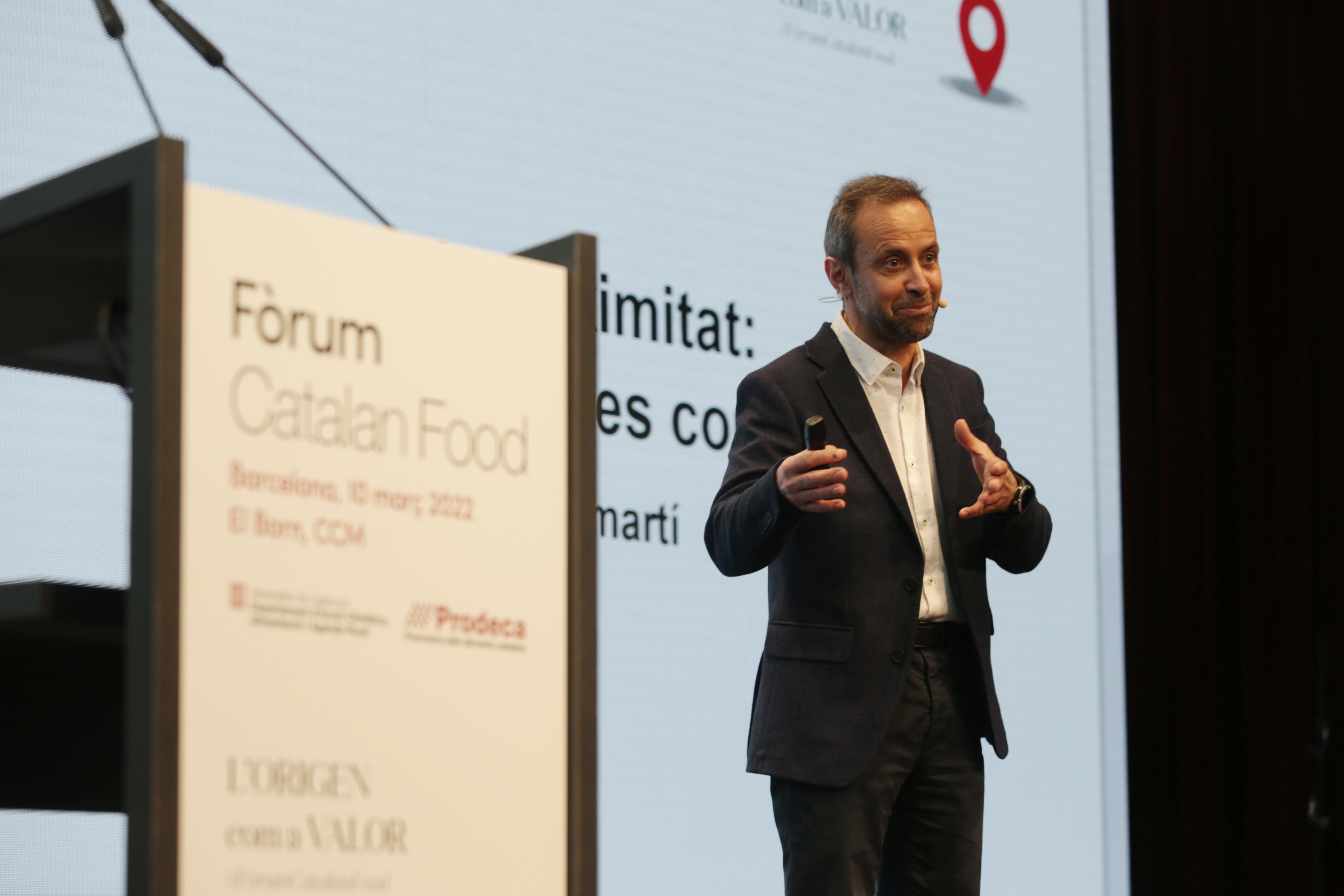
According to this X-ray of one of the most important sectors in Catalonia's food chain, a large majority of Catalan consumers (85.6% of those surveyed) think it is important that the products they buy are local food and almost half prioritise it in their shopping basket.
The mapping also asked about buying and selling channels for consumers, distribution and producers, highlighting the importance of the shopping experience and direct contact with the product and producer: although distributors say they already sell online (67% of those surveyed), it is not a settled option for consumers and producers (only 19% of consumers say they buy online and 19% of producers sell online).
There is still ground to cover, but the outlook for the local segment is very positive , and consumers, distributors and producers alike believe consumption of local produce will grow in the coming years.
How to add value through local sourcing
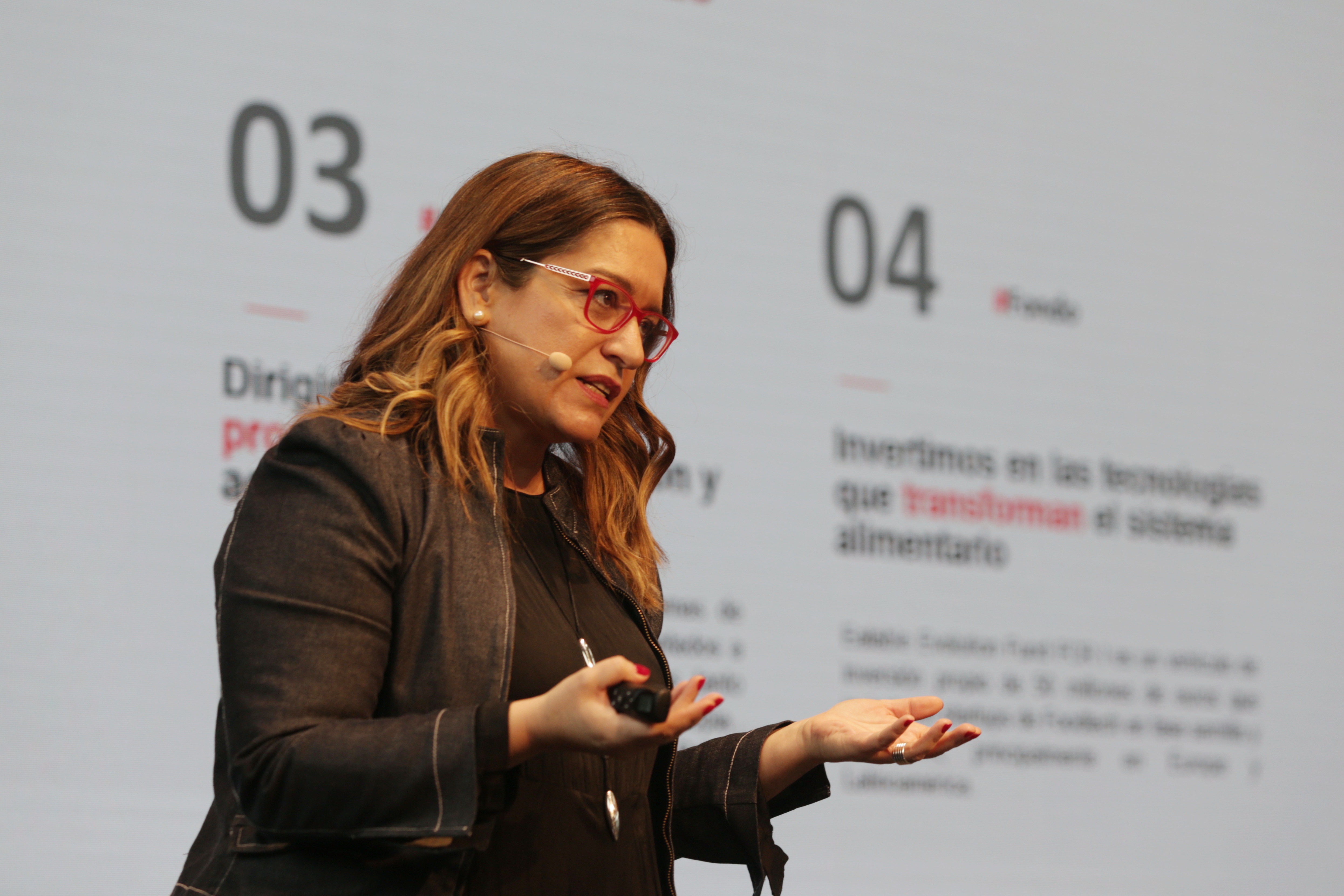
The institutional block gave way to talks by marketing and innovation experts offering their views on the opportunities local sourcing offers. Kantar Worldpanel's food director, Joan Riera, presented consumption trends and how local sourcing has gone from a trend to a purchase driver. Mila Valcárcel, director of Eatable Adventures, set out how sustainability and origin can become a transformative element for food companies.
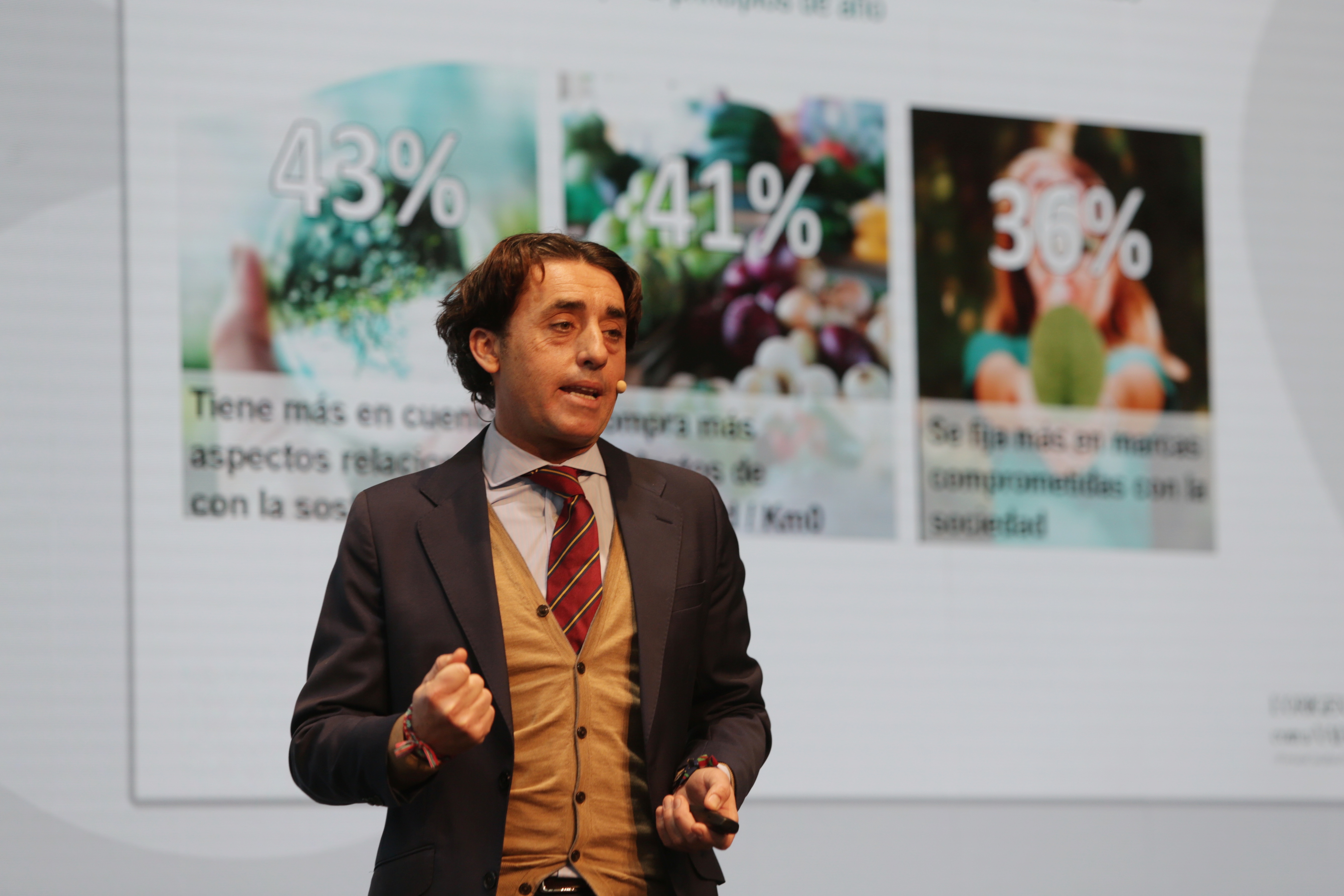
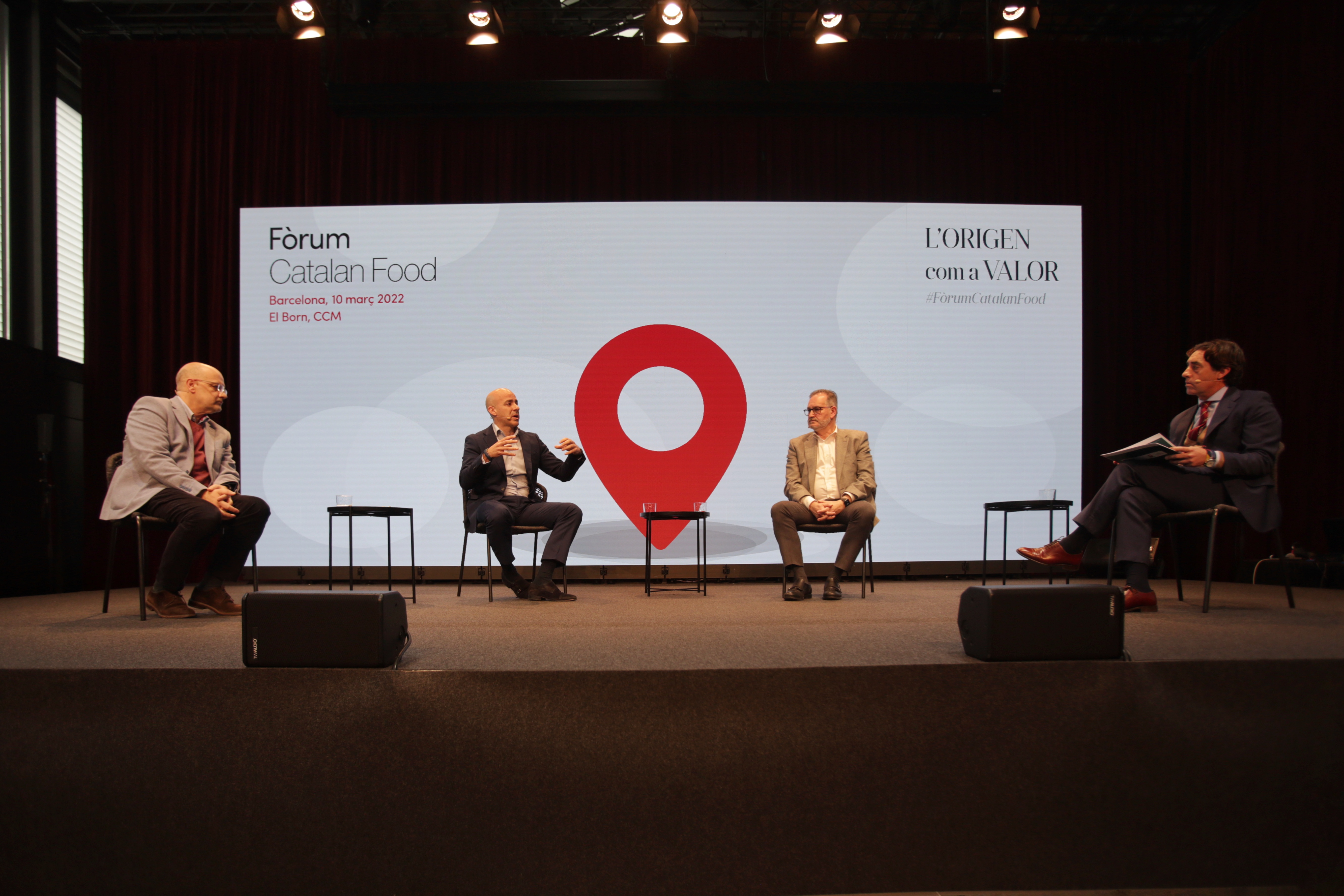
The event also highlighted the experience of large-scale distribution, through a round table moderated by Pablo de la Rica, head of AECOC's retail and food knowledge area, with Joan Sabartés, operations director at Bon Preu, Victor Asensio, fresh produce director at ALDI, and José Carrasco, head of local product strategy in Catalonia at Carrefour. All three agreed on the growing importance of local produce on their shelves, driven by rising consumer demand.
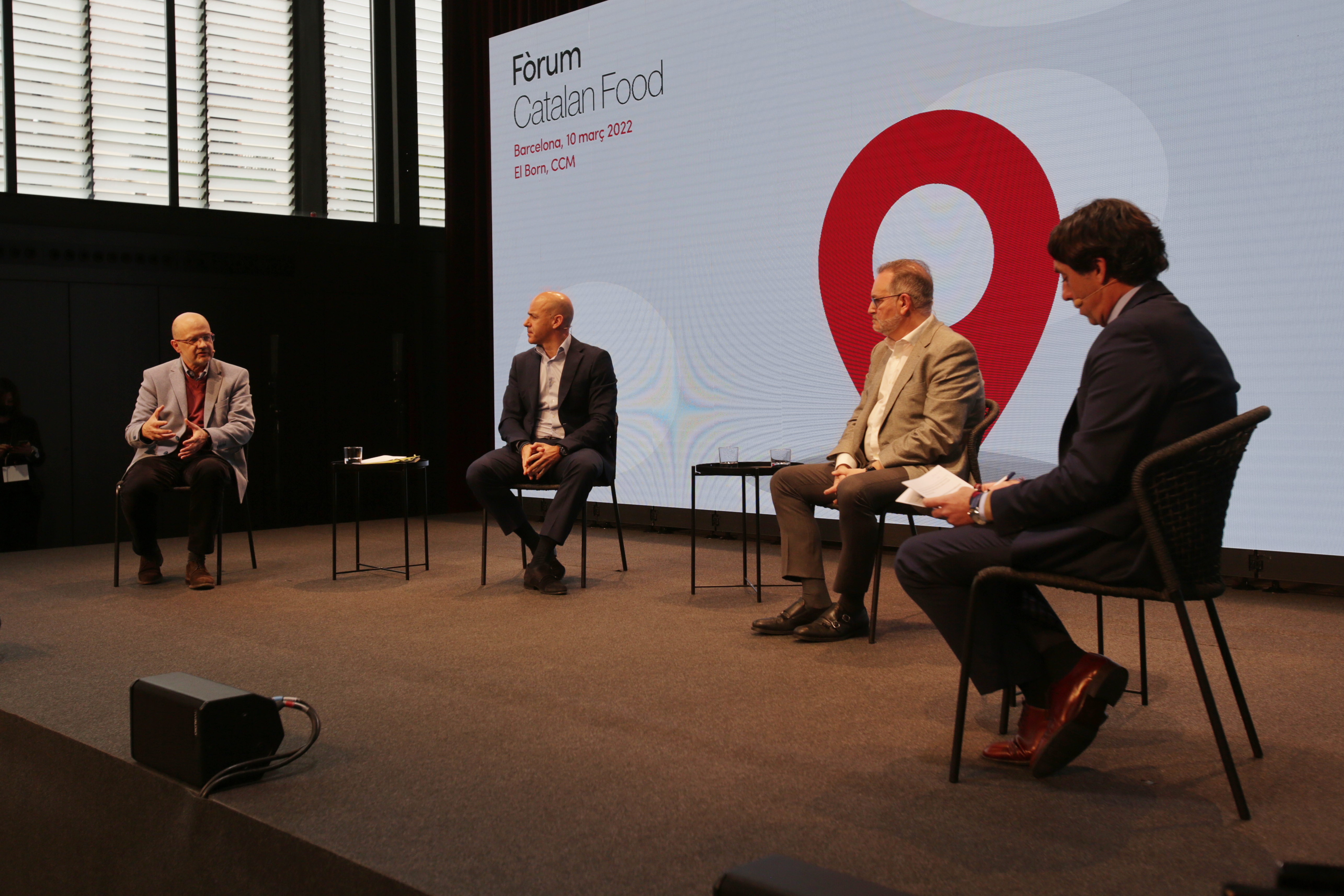
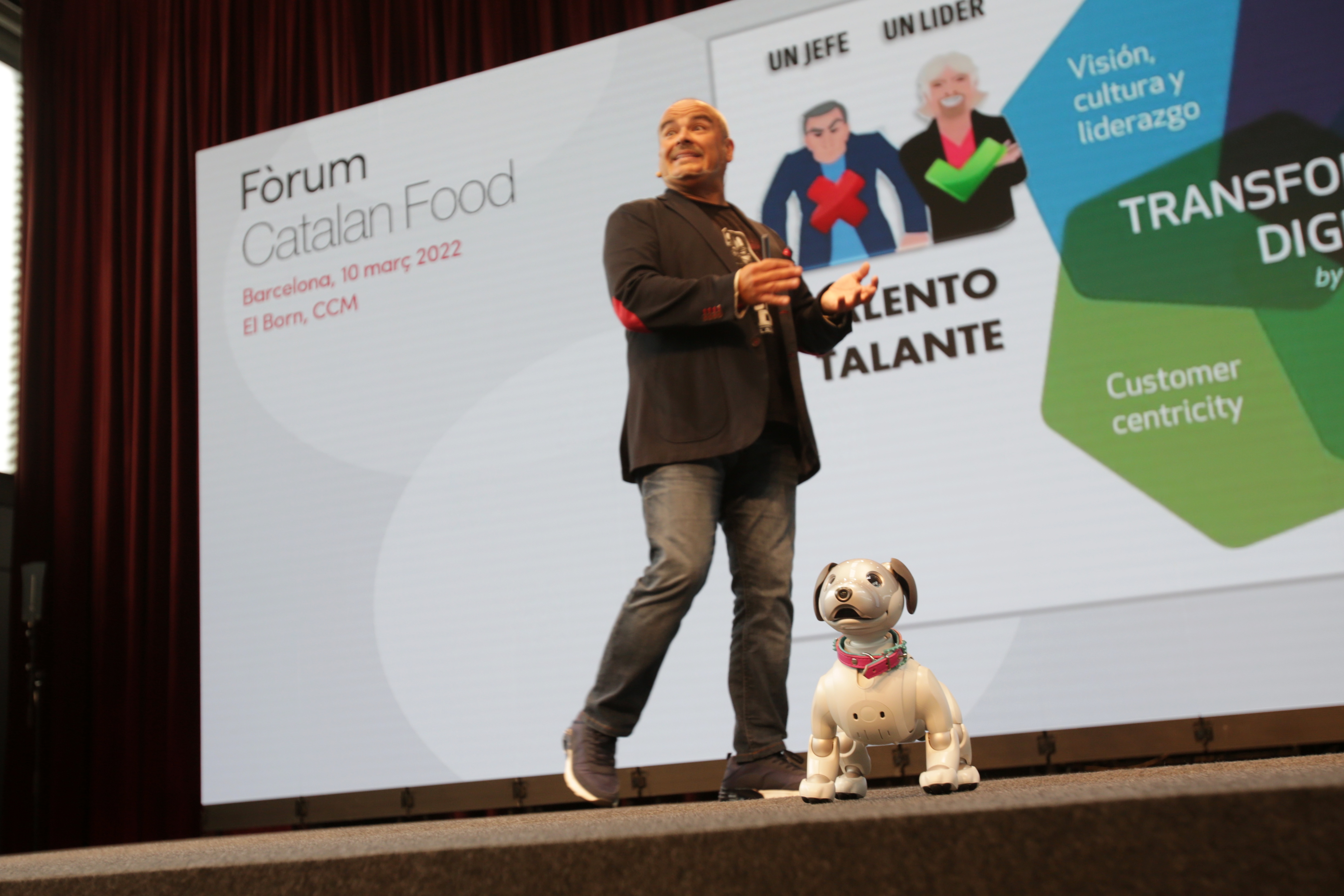
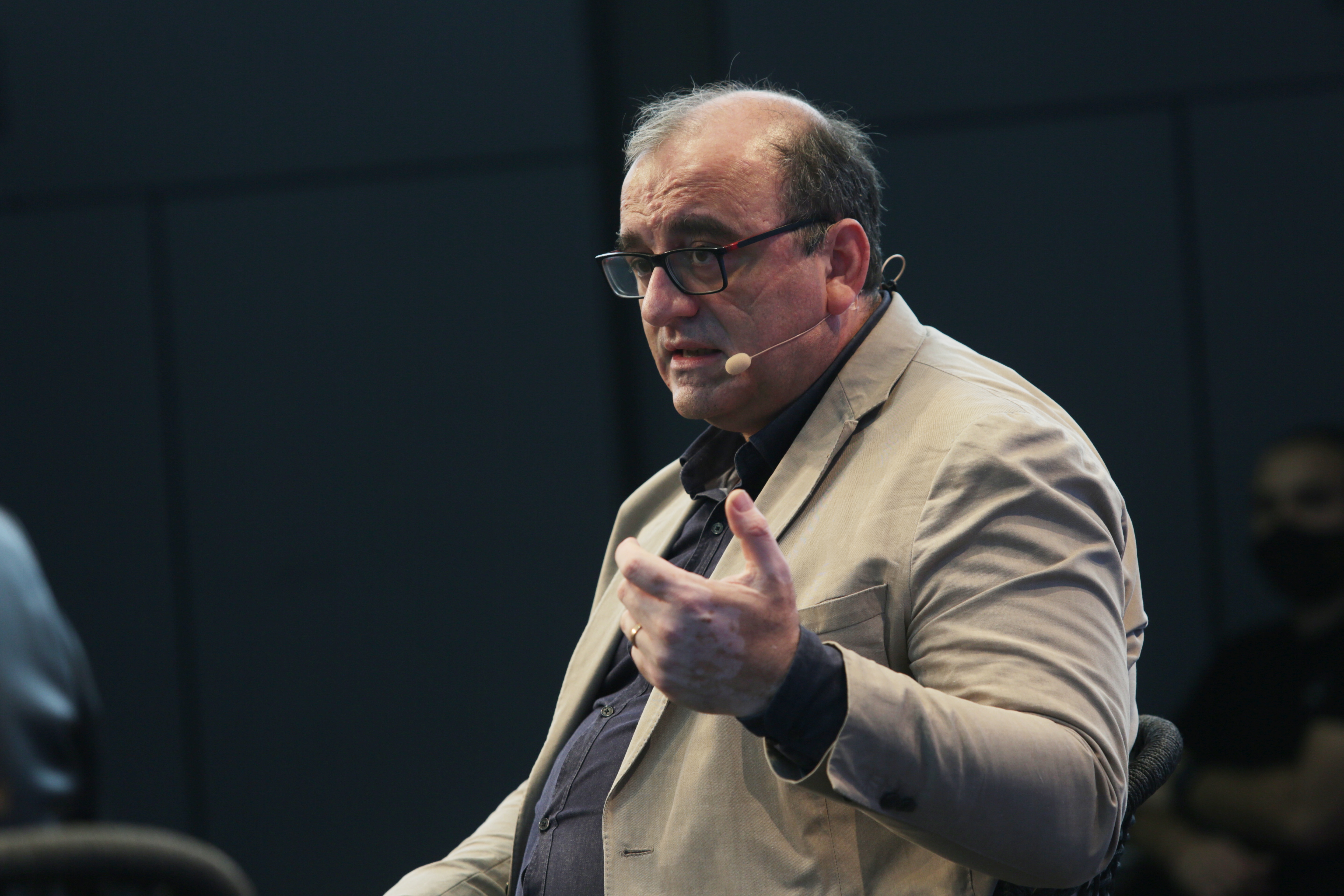
The final block of the Catalan Food Forum focused on the future, with a first talk-interview with Antonio Turiel, a research scientist at the CSIC, on the challenges facing the food system in the current context and the importance of moving from volume to value. The day was closed by Javier Sirvent, a technology evangelist, who set out for attendees what the technological future of food will look like.
A day of debate and networking
The event also served as a day of networking for the trade audience attending , with an Àpat Catalunya lunch — the catering served at Catalan institutional or corporate representative events, both at home and abroad, based on Catalan products and cuisine.
The Catalan Food Forum also hosted the closing session of the EUREGA project, presenting its results and discussing how to promote a more sustainable European food system through public food procurement.
03.09.22
Local produce gains ground in Catalans' shopping baskets
PRODECA – Department of Climate Action, Food and Rural Agenda has presented its 'Mapping of the consumption and marketing of local agri-food products', which sizes the market value of local food.

02.22.21
Catalonia increases its agri-food exports by 6.62% and exceeds €11,000 M for the first time
In 2020, Catalonia's food sector reached a new export record and exceeded €11,000 M in international sales for the first time. Compared to the data of 2019, they have increased by 6.62% in value and 6.95% in volume, becoming the only econom