09.28.25
Barcelona hosts the 1st World Gastronomy Summit with Catalonia as a global benchmark
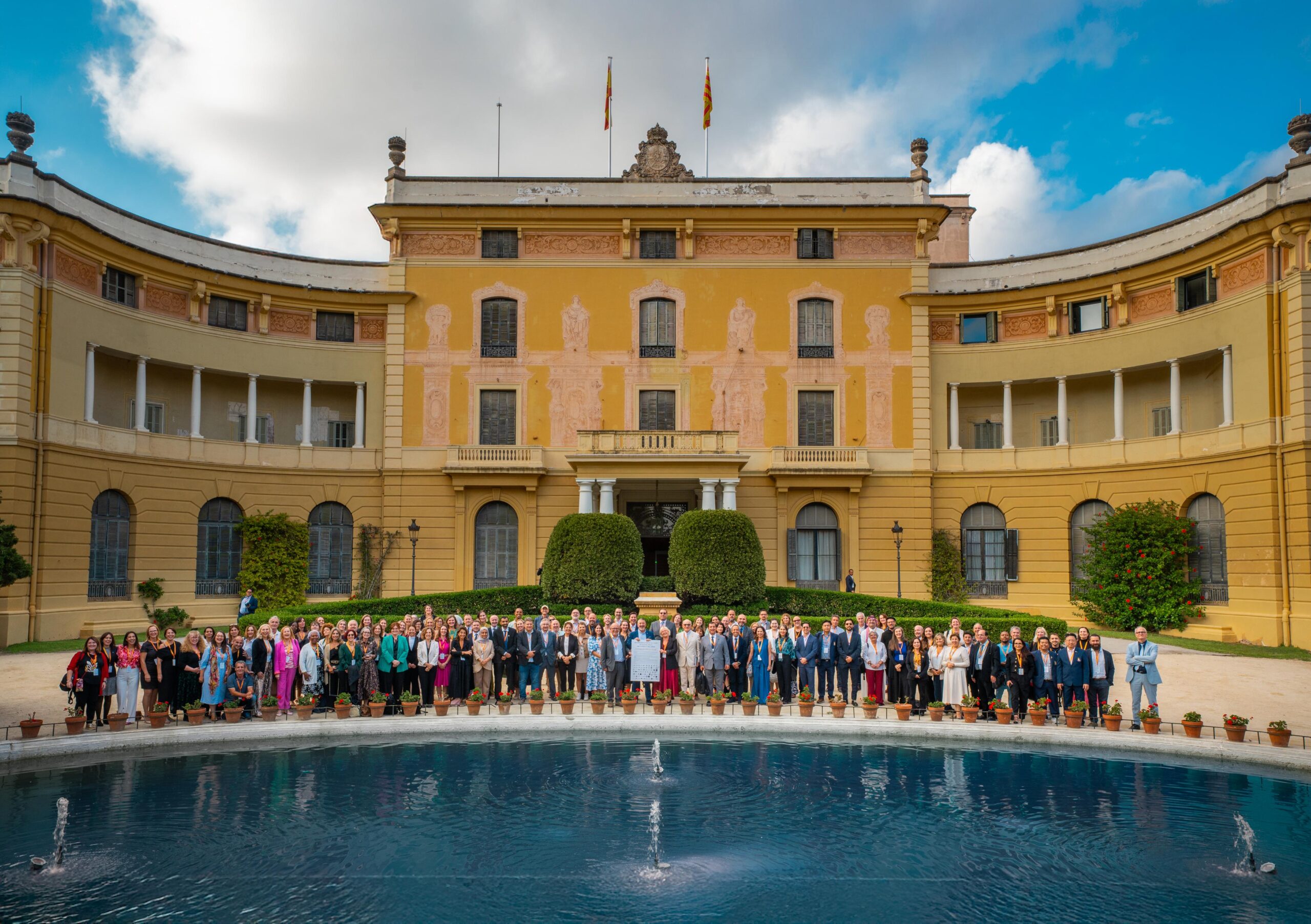
Palau de Pedralbes hosted the 1st World Gastronomy Summit, a landmark international gathering called by the International Institute of Gastronomy, Culture, Arts and Tourism (IGCAT) and organised by the Government of Catalonia, World Region of Gastronomy 2025.
The event brought together more than 150 experts and institutional representatives from over 40 gastronomy regions worldwide. Chefs, policymakers, academics, cultural networks and international bodies such as UNESCO and Slow Food exchanged knowledge and strategies for moving towards more sustainable, inclusive food systems.
Catalonia, a model of synergies and international leadership
The summit recognised Catalonia as a leading example of integrating agriculture, tourism, education and culture to build more sustainable food systems rooted in the territory.
The Agriculture Minister, Òscar Ordeig, stressed that the World Region of Gastronomy 2025 distinction is an opportunity to show "who we are, our vitality and the quality of Catalan produce". For his part the Minister for Business and Labour, Miquel Sàmper, said Catalan cooking is at its best moment, with a generation of creative cooks, prestigious restaurants and excellent agri-food production that make it an international benchmark.
The recognition also included the promoters of the Catalan bid — the Government, the Alícia Foundation, elBulli Foundation and the Catalan Academy of Gastronomy — as key players in projecting Catalan food identity around the world.
Global debates and Catalan participation
The plenary sessions explored experiences from territories such as Catalonia, Tunisia, Ecuador, Thailand and Saudi Arabia, highlighting how gastronomy can drive innovation, preserve heritage and strengthen communities.
The first plenary looked at how food can sit at the heart of cultural policy, while the second focused on biodiversity and food education as drivers of resilience. The contributions offered concrete policy recommendations and positioned gastronomy as a strategic driver of social cohesion and wellbeing.
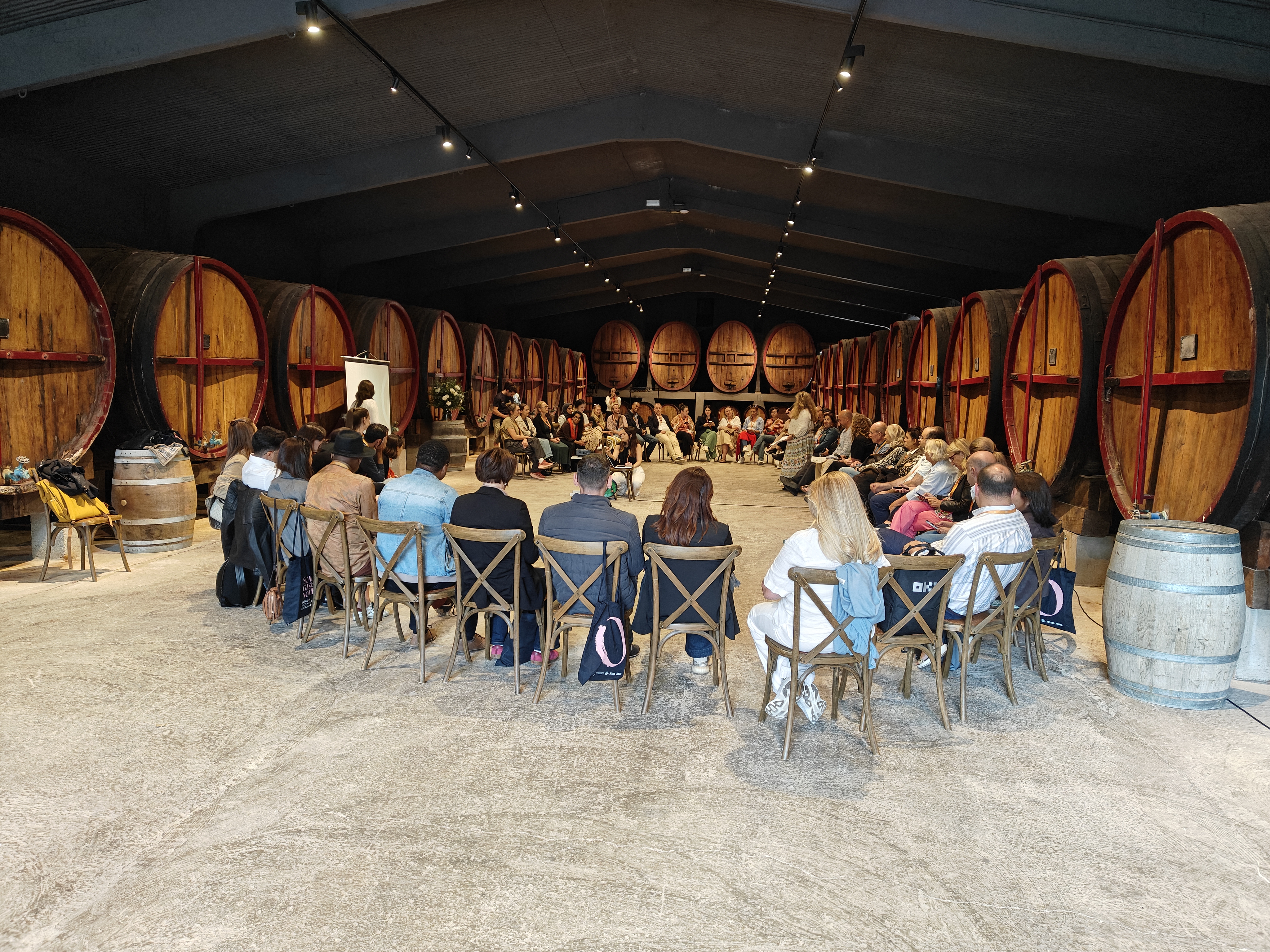
One of the central moments was the World Café, with 16 round tables and 160 participating experts imagining food futures for 2050. The sessions contrasted utopian and dystopian scenarios, generating proposals for good practice and public policy to guarantee culinary and cultural diversity over the long term.
In this setting Prodeca's director, Dèlia Perpiñà, moderated one of the sessions, stressing the need to link Catalan produce and its cultural narrative with the major international debates on sustainability, innovation and competitiveness. Her contribution highlighted the role of Catalan agri-food on the global stage and the sector's ability to anticipate future challenges.
A global declaration and the handover to Manabí 2026
The summit closed with the adoption of the World Gastronomy Summit Declaration, an agreed document calling for food to be formally recognised as culture within international agendas. Catalonia's commitment is to take this position to the MONDIACULT 2025 conference.
The symbolic handover of the gastronomy title went to Manabí (Ecuador), which becomes World Region of Gastronomy in 2026. The announcement of the next World Gastronomy Summit in Manabí reinforces the summit's role as a space for global meeting and continuity.
Cultural experiences and the reach of Catalan cooking
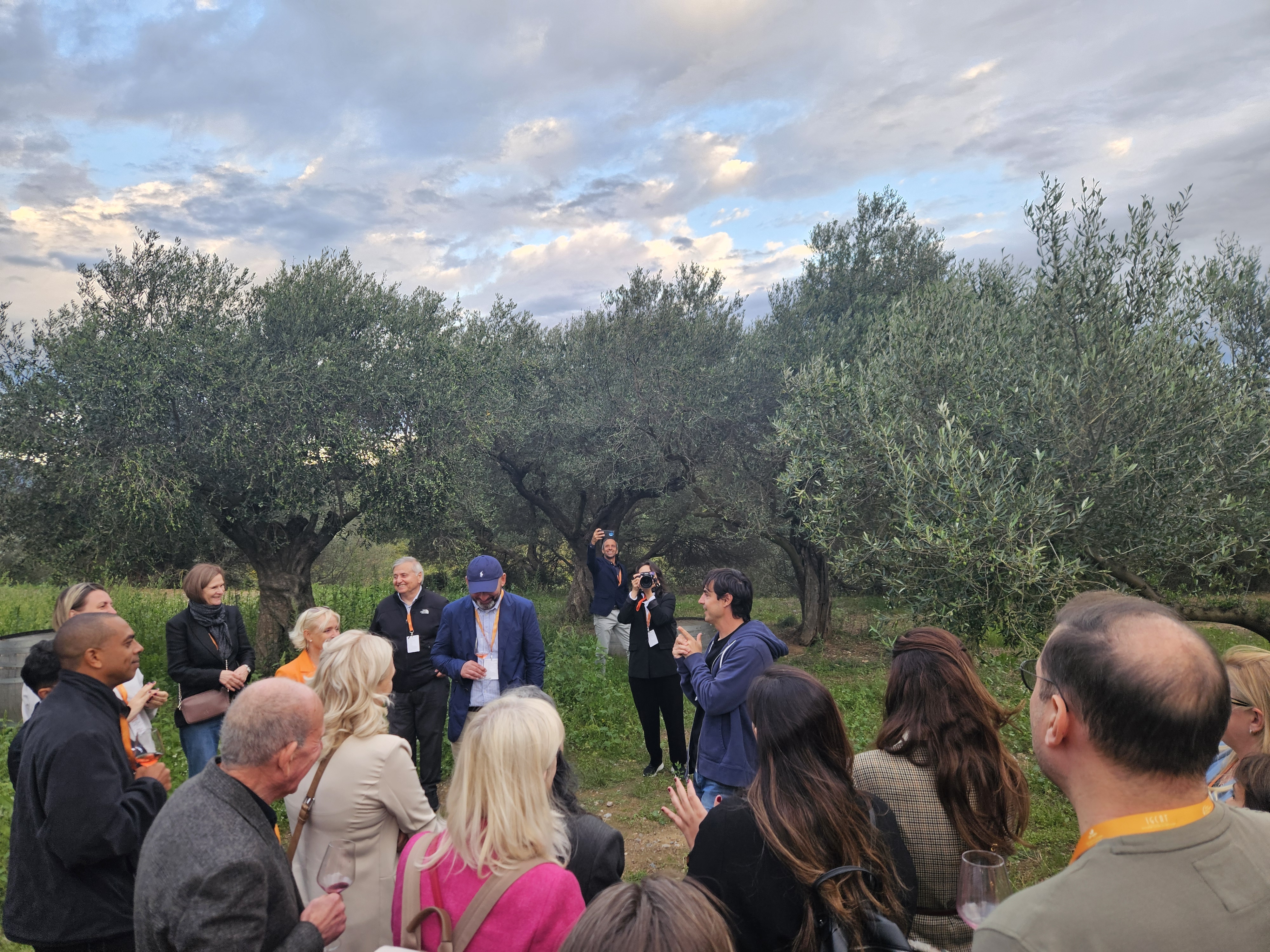
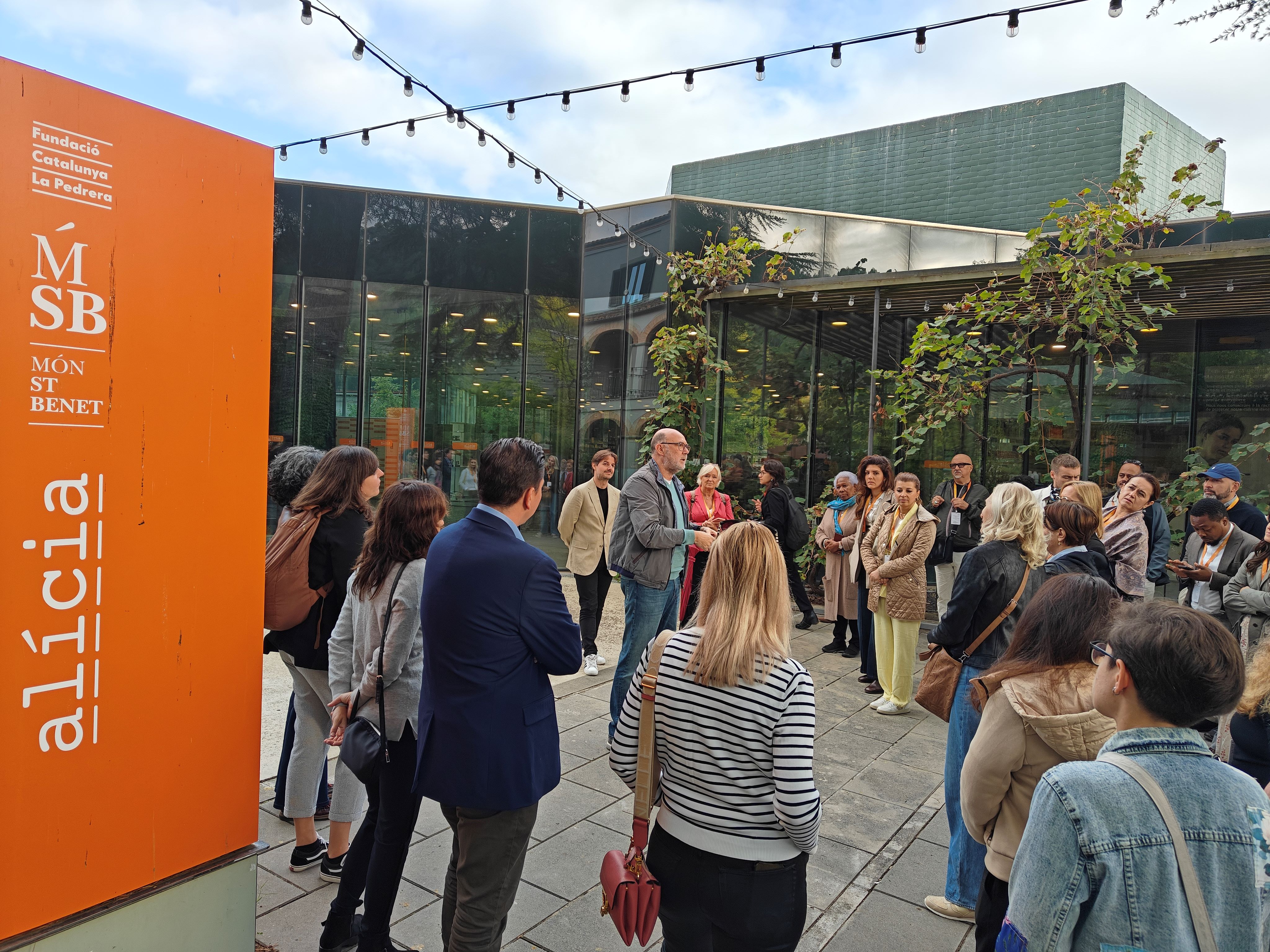
The event went beyond academic and institutional debate, enriched with showcases of Catalan culinary diversity. The cava and coca tasting, the Food Film Menu awards ceremony and a gala dinner of representative Catalan recipes completed the day, projecting the country's culinary creativity and vitality to the world.
These cultural and culinary activities strengthened the summit's experiential dimension and positioned Catalan cooking not only as an economic and cultural asset but as a shared experience admired everywhere.
Catalonia, food identity and international reach
With this event Catalonia strengthens its position as an international benchmark in gastronomy and agri-food, projecting its food and cultural identity to the world. Recognition as World Region of Gastronomy 2025 consolidates the work of a sector that combines tradition, innovation and sustainability and works with a global outlook to meet future challenges.

11.09.23
Catalonia officially recognised as World Region of Gastronomy 2025
Catalonia has officially received the title of World Region of Gastronomy 2025 from the International Institute of Gastronomy, Culture, Arts and Tourism (IGCAT) for its commitment to working across sectors to guarantee a healthy, safe and r
11.10.22
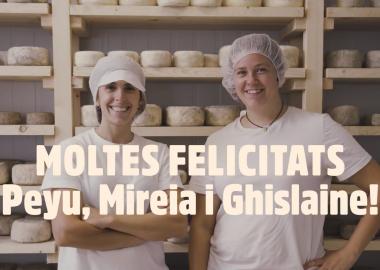
'Les cabres d'en Peyu' farm wins the public vote prize at the 'Food Film Menu 2022' awards
The short film 'Benvinguts a la granja' has won an award as part of an initiative by the IGCAT institute and the Platform of European and World Regions of Gastronomy, which includes Catalonia.