Trends in the future of confectionery: innovative textures and brand partnerships
Consumers want far more than good flavour: they look for products that surprise, move them and connect with their taste memories. In this context, texture innovation and the co-branding strategies are becoming key to the confectionery sector's development.
The report Spain: Use Texture to Elevate Sweet Co-branded Launches by Mintel notes that, in the Spanish market, offerings that combine texture innovation with brand collaborations are gaining ground as a way to capture consumers' attention and add value.
These trends are of particular interest to Catalan companies in the confectionery and snacks sector that want to innovate in the domestic market while also differentiating their brand strategy.
1. Co-branding: beyond collaboration
Product launches in collaboration with other brands have increased in recent years, inspired by sectors such as technology and fashion. Brands that collaborate create a sense of anticipation and trust among consumers, especially when well-known or long-established names are involved. Co-branding also makes it possible to enrich the product's story, create new combinations and reach wider audiences.
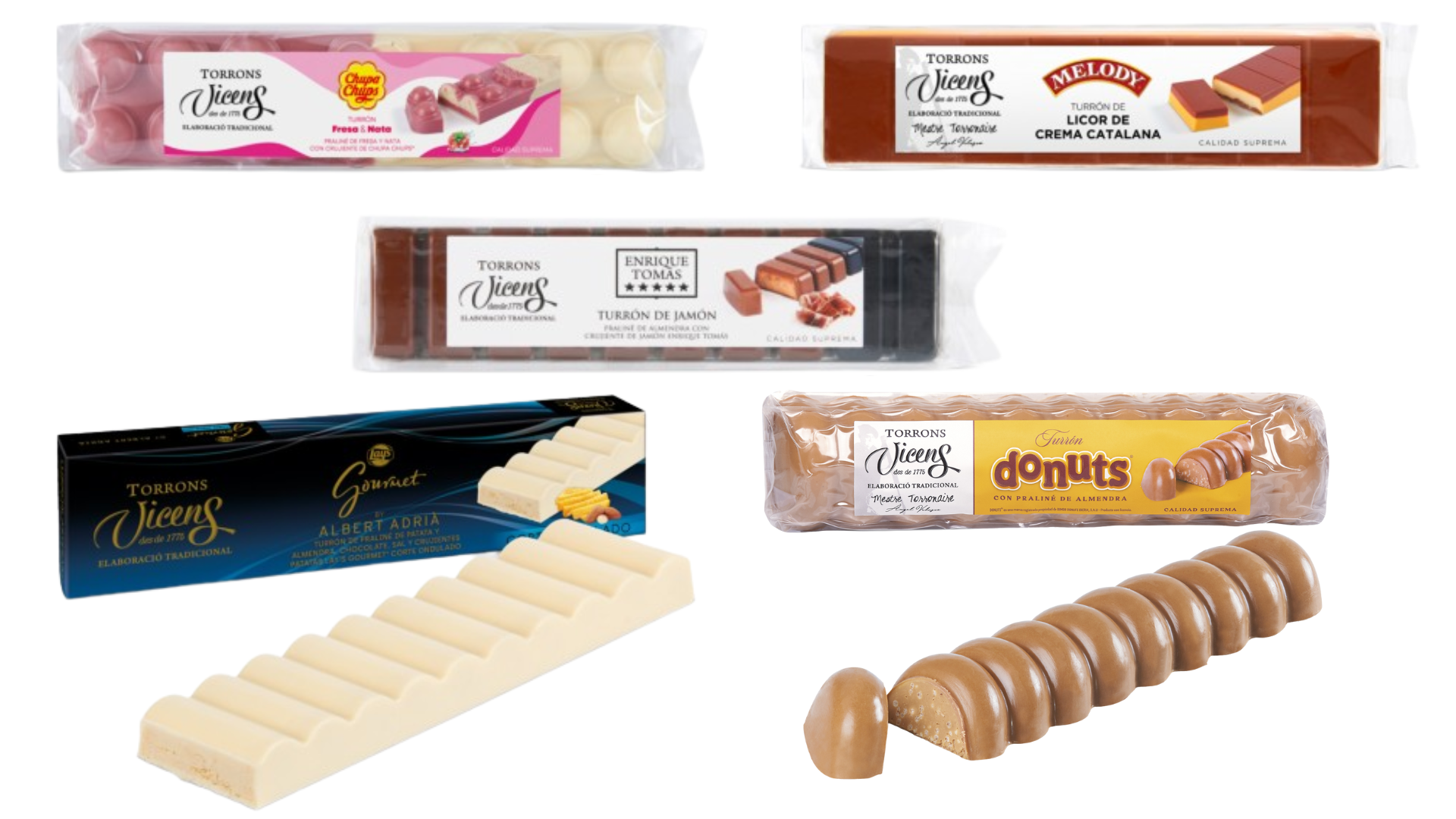
One particularly notable Catalan example is Torrons Vicens, which has made co-branding a key innovation strategy. The brand has worked with names as well known as Donuts, Chupa Chups, Melody, Lays Gourmet by Albert Adrià and Enrique Tomás, giving rise to products that explore new combinations of flavours and textures. These collaborations show how co-branding can turn a traditional product into a creative, distinctive offering that catches consumers' attention.
2. Texture as a differentiator
According to Mintel, 33% of regular Spanish chocolate consumers are interested in trying products with combined textures. This figure reveals great potential for innovating through contrasts between crunchy, smooth, creamy and so on.
Visual texture (such as creaminess or an eye-catching filling) also plays a fundamental role in whether a product is perceived as premium or as a treat. At a time when consumers are more careful with their spending, products with appealing textures and a carefully crafted appearance can convey greater value and make people willing to pay a little more.
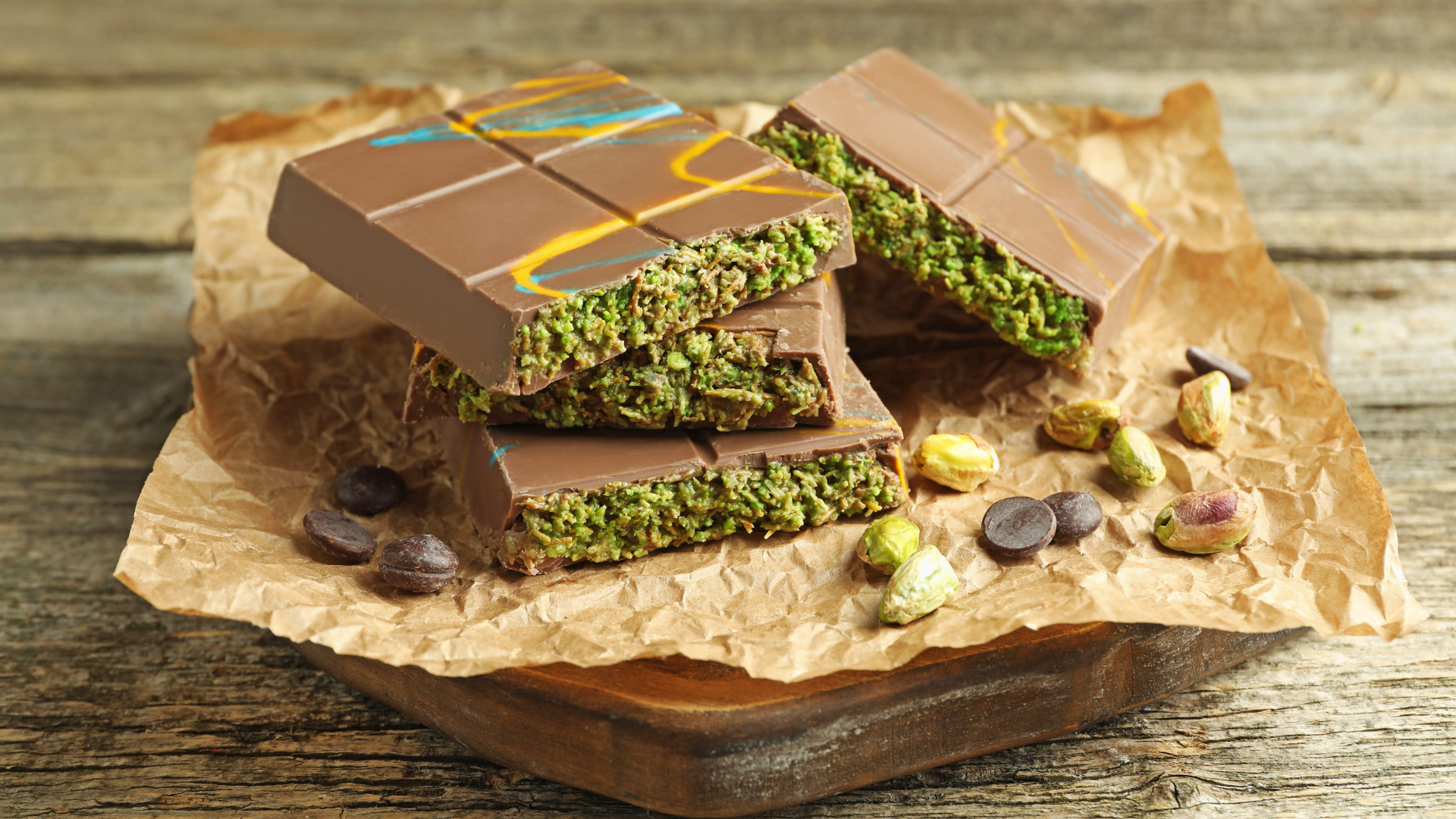
One viral example is Dubai Chocolate, which succeeded not only for its flavour but also for its velvety texture and attractive appearance. The case shows that a sweet's visual and sensory appeal can make the difference.
3. Textures that connect with emotions
Texture not only adds complexity on the palate but can also evoke emotions. According to the report, textures such as creaminess are associated with pleasure or nostalgia, while crunchy textures can create feelings of calm or fun.
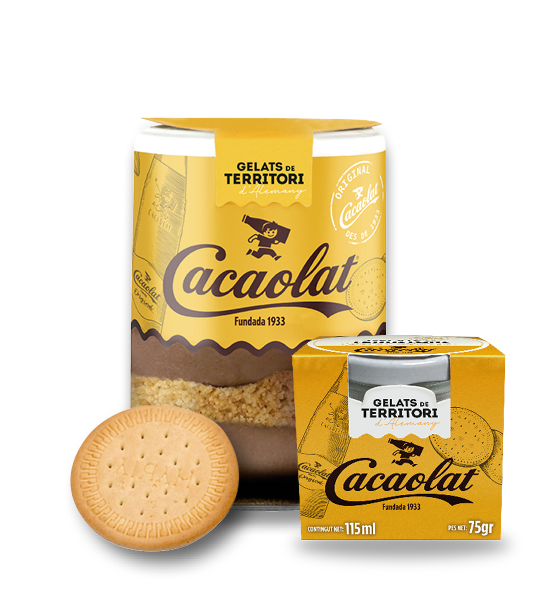
One inspiring example is the Cacaolat ice cream by Gelats de Territori, which brings the original milkshake's characteristic creaminess - part of several generations' memories - into ice cream form. With a melting texture and a layer of crunchy biscuit, this product plays on nostalgia and sensory pleasure, connecting emotionally with consumers through memory and innovation.
4. Conclusions
- The brand partnerships and the innovative texture combinations can be an opportunity for Catalan confectionery and snack companies to open new ways of surprising consumers and generating added value.
- Sweet products are no longer just food: they are multisensory, emotional experiences.
- The product's visual and sensory presentation can influence perceived quality and justify premium positioning.
This article is based on the MINTEL REPORT "Spain: Use Texture to Elevate Sweet Co-branded Launches " prepared by the consultant Jimena Ávila Martín