


Drinks trends in the Middle East
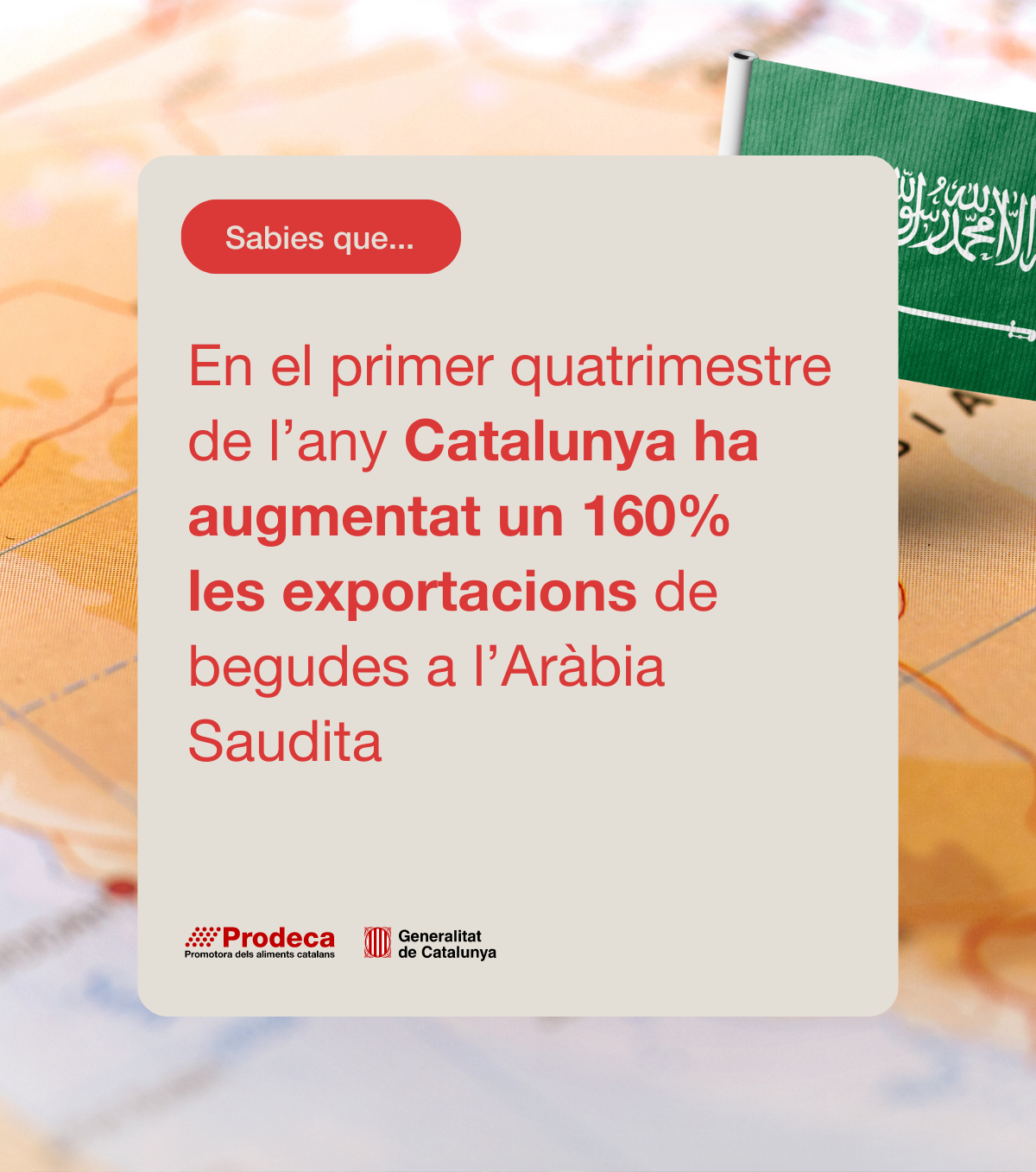
Descarrega el document

Nota Informativa - Beverages Report in the Middle East

11.07.24
Exporting agri-food products to Saudi Arabia
A course designed to give a full overview of the legal, cultural and logistical requirements for successfully starting and sustaining commercial operations in Saudi Arabia, a growing market with major opportunities for Catalan agri-food products.
02.17.25
GULFOOD 2025
Prodeca is organising the participation of Catalan agri-food companies at the GULFOOD 2025 trade fair, under the slogan "Catalonia where food is culture".
09.24.24
GULFOOD GREEN 2024
Prodeca - DACC is organising the participation of Catalan agri-food companies at GULFOOD GREEN 2024, under the slogan Catalonia where food is culture.
The drinks sector in the Middle East is dynamic and evolving, deeply rooted in cultural and religious heritage and tied to the region's economic landscape. With a history of drinks consumption going back centuries, the region has a rich tradition encompassing a wide variety of beverages. In recent years this market has shown strong growth potential, driven by factors such as rapid urbanisation, rising disposable incomes and the country's opening up to the world, which has shifted consumer preferences in a more Western direction. The market has grown steadily at 5% a year over the past decade, with total sales exceeding USD 30 billion in 2022.
Market trends and dynamics
Countries such as Saudi Arabia, the United Arab Emirates (UAE), Kuwait and Qatar have constantly evolving markets for alcoholic and non-alcoholic drinks, with significant growth driven by urbanisation, rising incomes and changing consumer preferences. Drinks play a central role in social gatherings, celebrations and religious rituals, and the sector contributes to job creation, economic growth and foreign trade.
Regulations and legal framework
Regulation of the import and distribution of alcoholic and non-alcoholic drinks varies significantly from country to country.
Saudi Arabia maintains a strict ban on alcohol consumption; although there are signs of possible changes to alcohol laws, no major changes are expected in the short term. Sales of alcoholic drinks are restricted to diplomatic staff representing other countries in Saudi Arabia, who may buy them subject to monthly quantity limits, with official accreditation and exclusively at authorised outlets.
The UAE, Qatar and Kuwait have varying degrees of regulation on alcohol consumption and sales. These rules pose challenges for exporters wanting to enter the Middle Eastern market. In these three countries, alcohol imports are controlled and only importers holding the relevant licence may operate. The limited number of licences is an added challenge for companies, as the pool of buyers is very small.
Consumption patterns and trends
Young adults aged 18 to 35 account for a significant share of drinks consumers, at 45% of the market. Preferences vary according to taste, cultural background and lifestyle choices. There is growing demand for innovative, gourmet products, as well as healthy drinks such as natural juices, herbal teas and functional beverages. The gender split is balanced.
Import and distribution channels
The main distribution channels include retail outlets such as supermarket chains, shopping centres and small local shops, as well as the hospitality sector, which plays a crucial role in distributing non-alcoholic drinks. Importers, distributors and wholesalers are key to the import and distribution network, ensuring a smooth supply chain.
Challenges
Exporters face various challenges, including strict regulations, cultural sensitivities about alcohol consumption and logistical challenges related to transport and distribution. There is also strong competition from local and regional drinks companies, which calls for differentiation strategies to capture market share.
Opportunities
Despite the challenges, there are numerous growth opportunities in the Middle Eastern drinks market. There is growing demand for premium and speciality drinks, especially among young adults. The hospitality sector offers lucrative opportunities for importers of alcoholic drinks in the UAE and Qatar, as tourism growth is expected in the coming years aimed at all kinds of visitors, not only Muslim ones. The region's strategic location as a global trade centre also offers logistical advantages for exporters and a future hub between Europe and Asia.
Recommendations
To succeed in the Middle Eastern market, exporters can forge strategic alliances with local distributors, build strong relationships with key stakeholders, adapt their marketing strategies to local market preferences and use digital platforms to increase brand visibility. Product innovation and unique value propositions are also key to standing out in a competitive market.
PRODECA's activities in the Middle East
PRODECA has been active in the Saudi market during 2023 and 2024, with the roll-out of Catalan Food activities. Organising the Catalan Food Festival Riyadh event in December 2023, the Catalan Food Danube in-store promotion in February 2024, at iconic stores of this premium supermarket chain in both Riyadh and Jeddah, and the inclusion of Catalan food in Danube's Ramadan preparation promotions, as well as the activation of promotional and product-highlight points to coincide with Eid al-Adha in Riyadh in June 2024, have all helped improve recognition of Catalan food and drink in this market.
Export growth
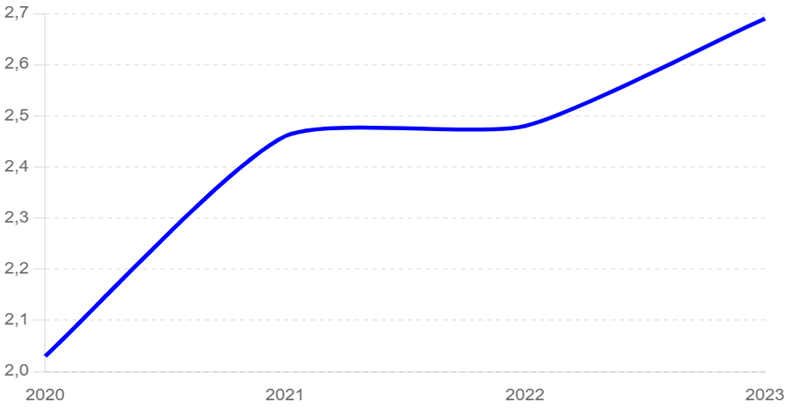
Catalan drinks exports to Saudi Arabia have risen significantly since 2020, thanks in part to PRODECA's activities and the companies involved. The figures show that total drinks exports have followed this trend (in millions of euros):
Saudi Arabia: the most populous country in the Gulf
In terms of population and purchasing power, Saudi Arabia is the largest market on the Arabian Peninsula. This represents a major opportunity for Catalan drinks companies, as demand for beverages continues to grow in the region.
If you would like to know about other commercial activities we run in the Middle East, you can write to Susanna Barquin at sbarquin@gencat.cat or to Kamel Jalloul at kameljalloul@gencat.cat.

12.29.23
Catalan cuisine as ambassador for Catalan products in Riyadh
Prodeca is holding the Catalan Food Festival themed night in Riyadh, a day of showcooking and Catalan product displays aimed at purchasing managers, hotel and catering directors and Saudi officials.

02.16.24
Gulfood 2024: around fifteen Catalan companies take part in the Middle East's leading international food fair
PRODECA is organising the joint participation of Catalan companies in a Catalonia Pavilion at Gulfood, the agri-food sector's global benchmark event for companies wanting to build trade relations in the Middle East, Asia and East Africa.