
12.29.23
Catalan cuisine as ambassador for Catalan products in Riyadh
Prodeca, the promoter of Catalan food at the Department of Climate Action, Food and Rural Agenda, has organised the Catalan Food Festival Riyadh, a project within the Catalan Food initiative to promote and enhance the value of Catalan products in 17 strategic markets , with Catalan cuisine as ambassador for Catalan produce and agri-food companies.
The event also introduced the Halal Catalunya brand, a new privately run certification that will guarantee full traceability of halal products made in Catalonia and support Catalan companies' differentiation and excellence strategy as they internationalise in halal markets.
Catalonia leads in halal-certified companies and has established itself as Spain's benchmark for food and drink carrying the halal guarantee label. This own label, issued by the certifier Halal Food Quality, which is accredited for all countries requiring halal certification, will make it easier to export Catalan halal products worldwide.
Halal certification is a quality label guaranteeing that neither the ingredients nor the production process involve any contamination with non-halal products and that production follows practices permitted by Islam. To be reliable, halal certification must be issued by an accredited certification body. Several certifiers operate in Spain, such as Instituto Halal, Halal Consulting and Halal Food Quality, which is presenting the first Halal Catalunya brand.

Catalan Food themed night
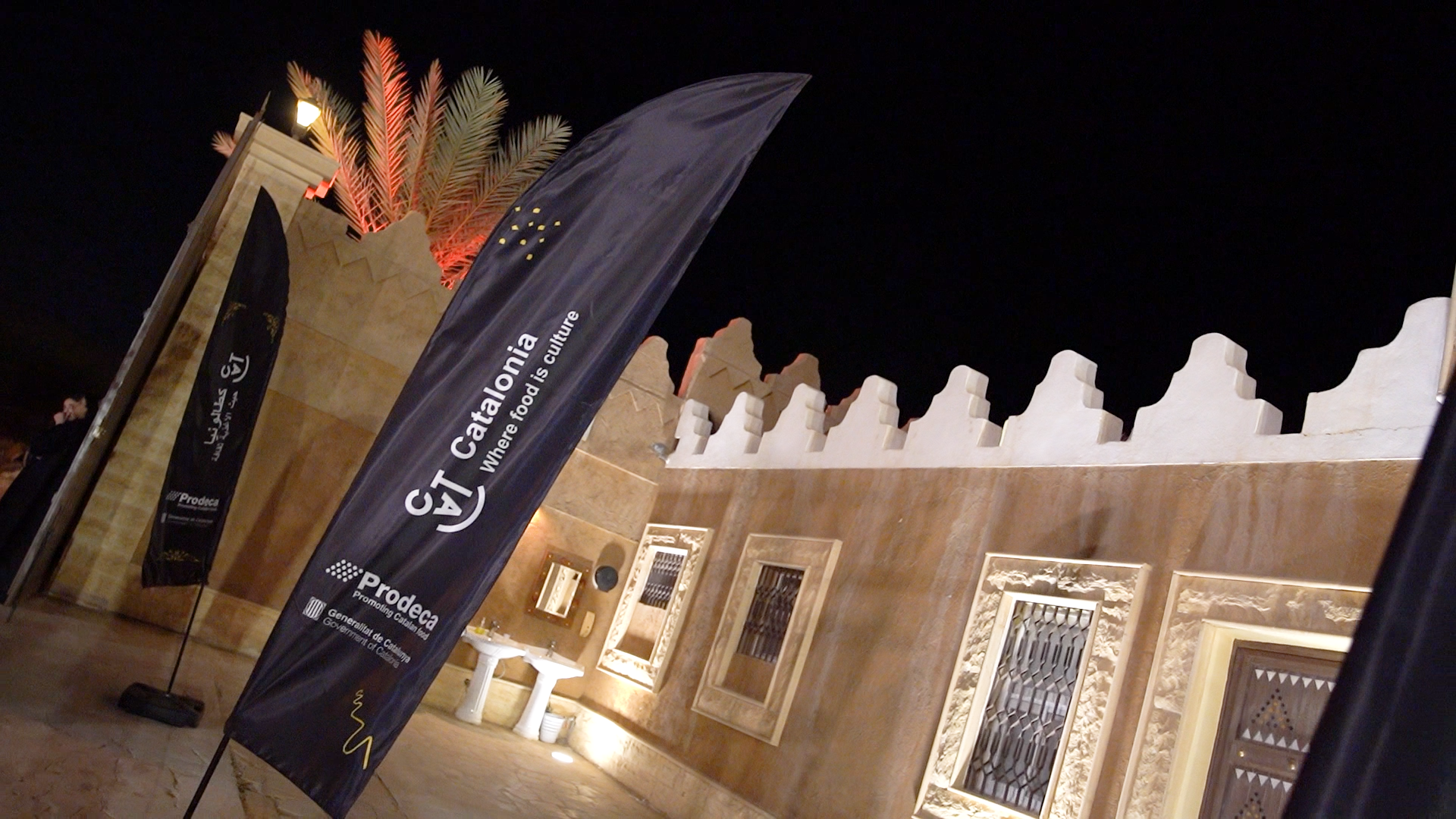
The Catalan Food Festival Riyadh programme was built around Catalan produce and cuisine, with pa amb tomàquet in various versions as the iconic dish of Catalan cooking.
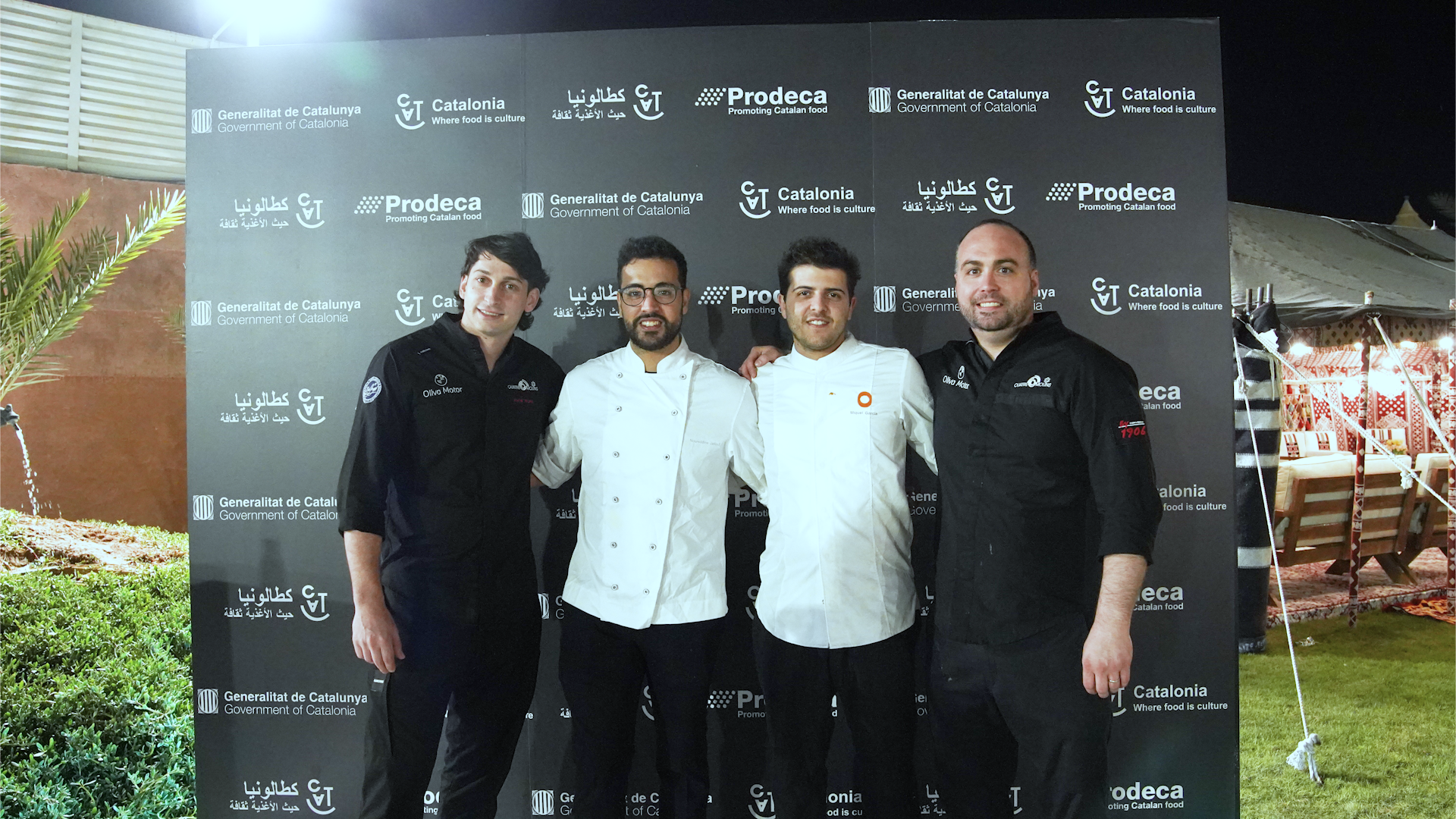
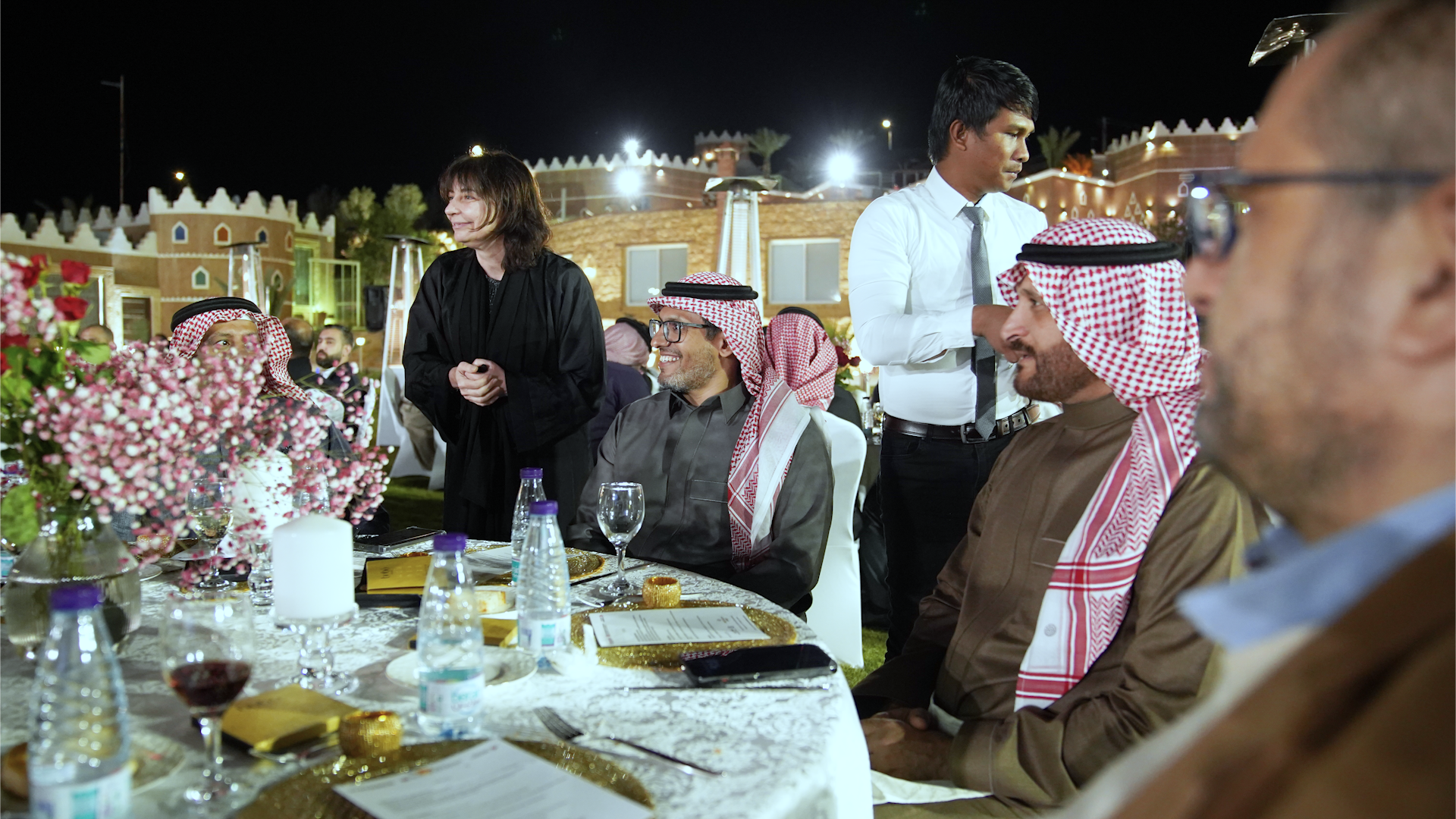
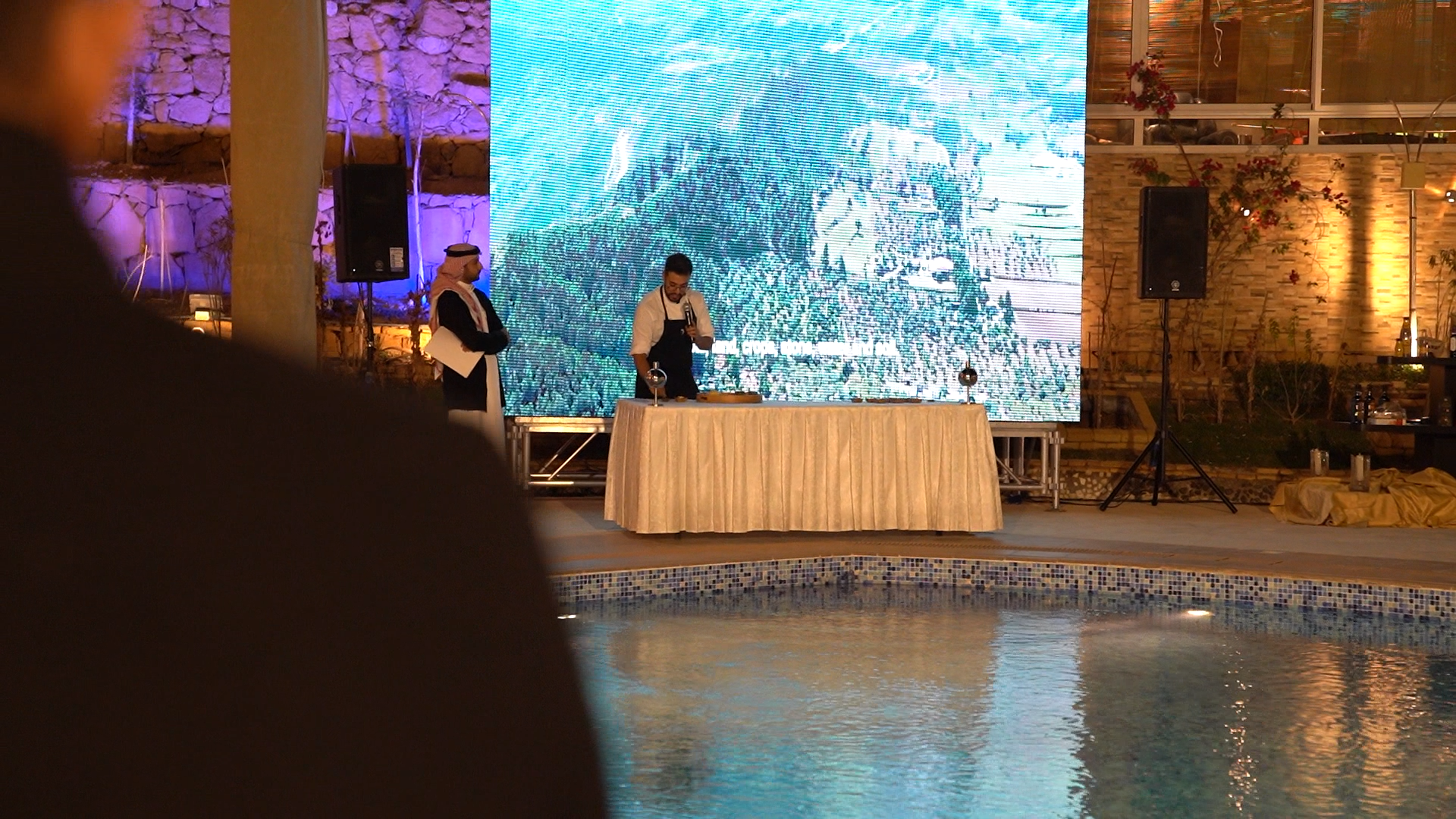
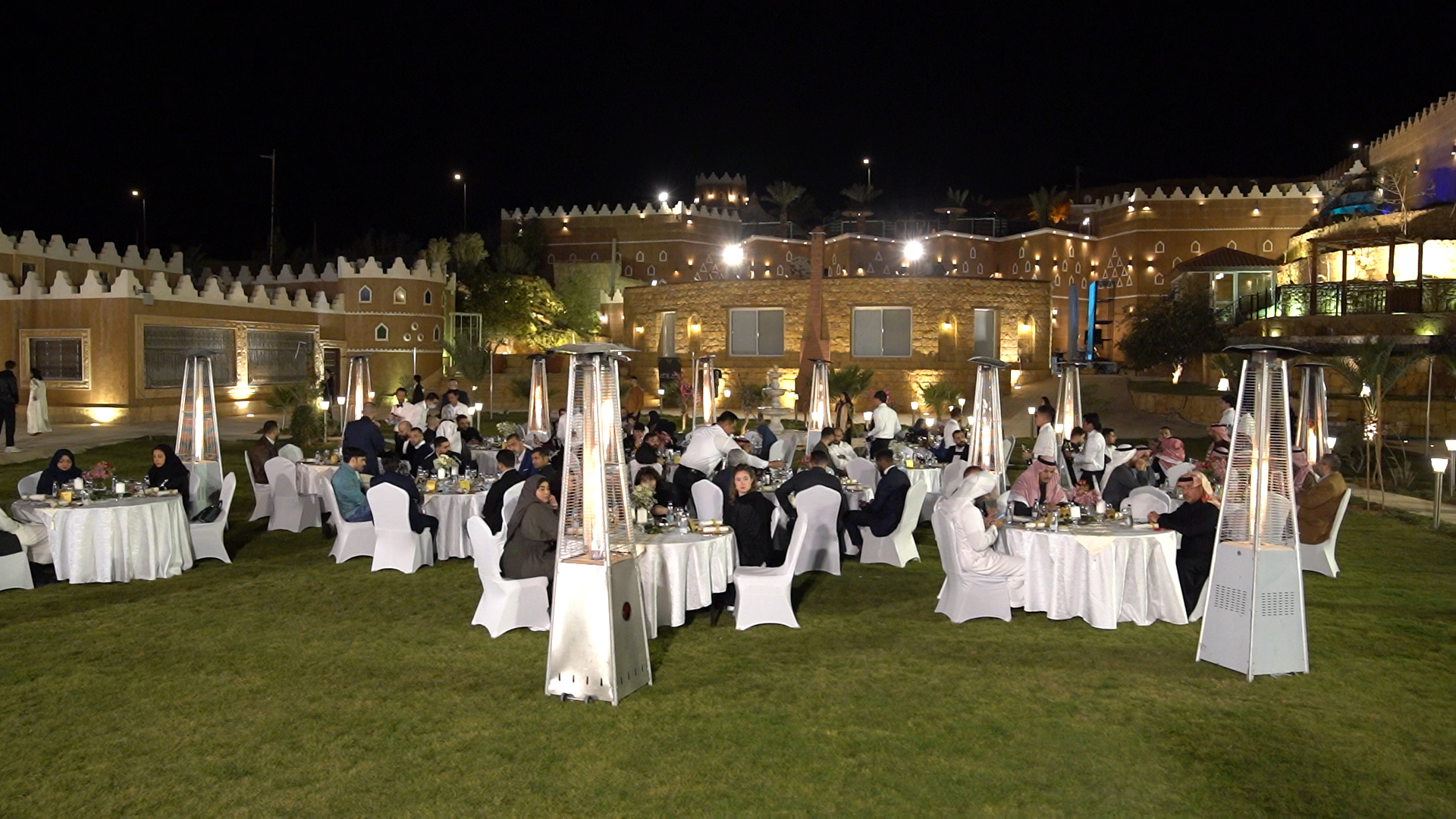
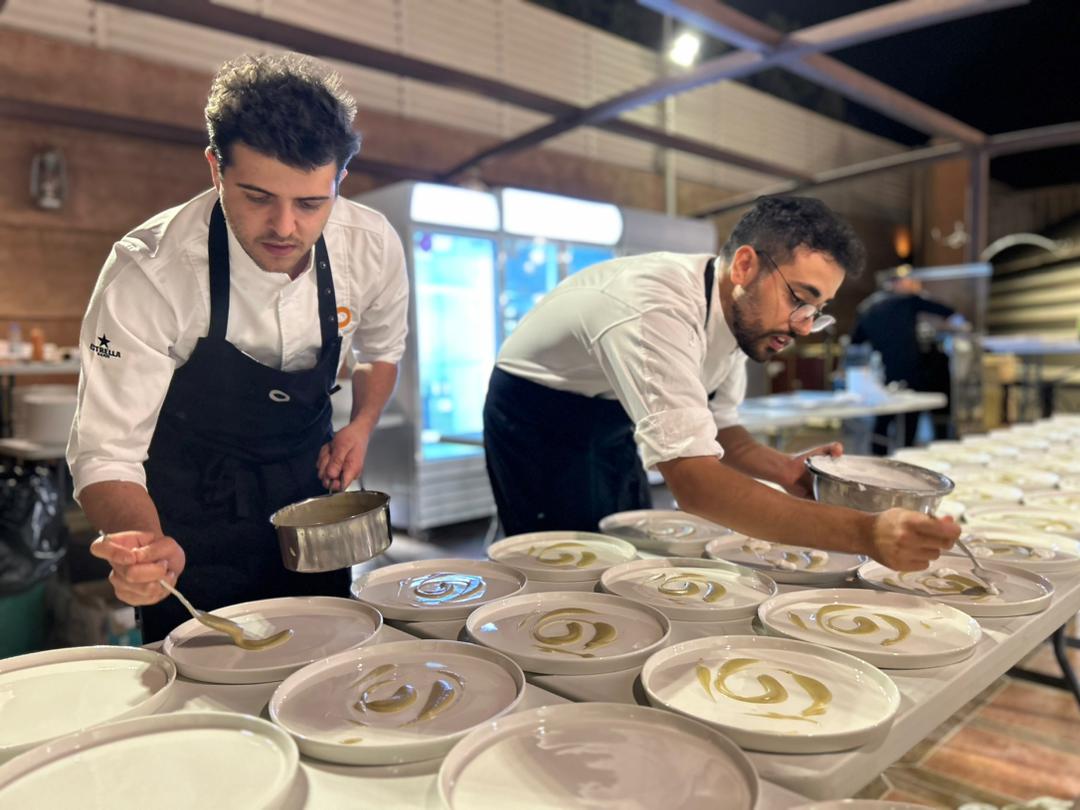
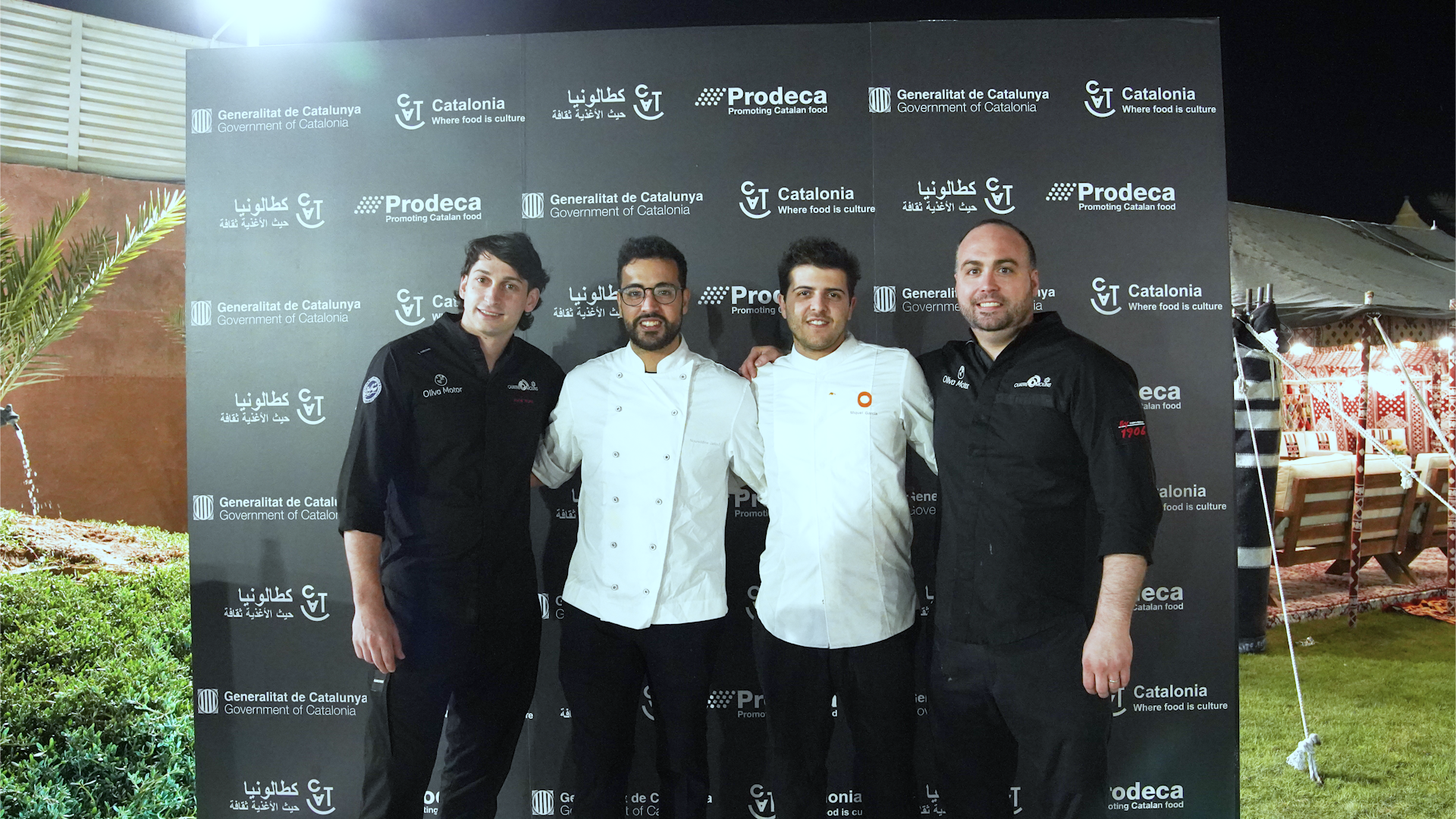
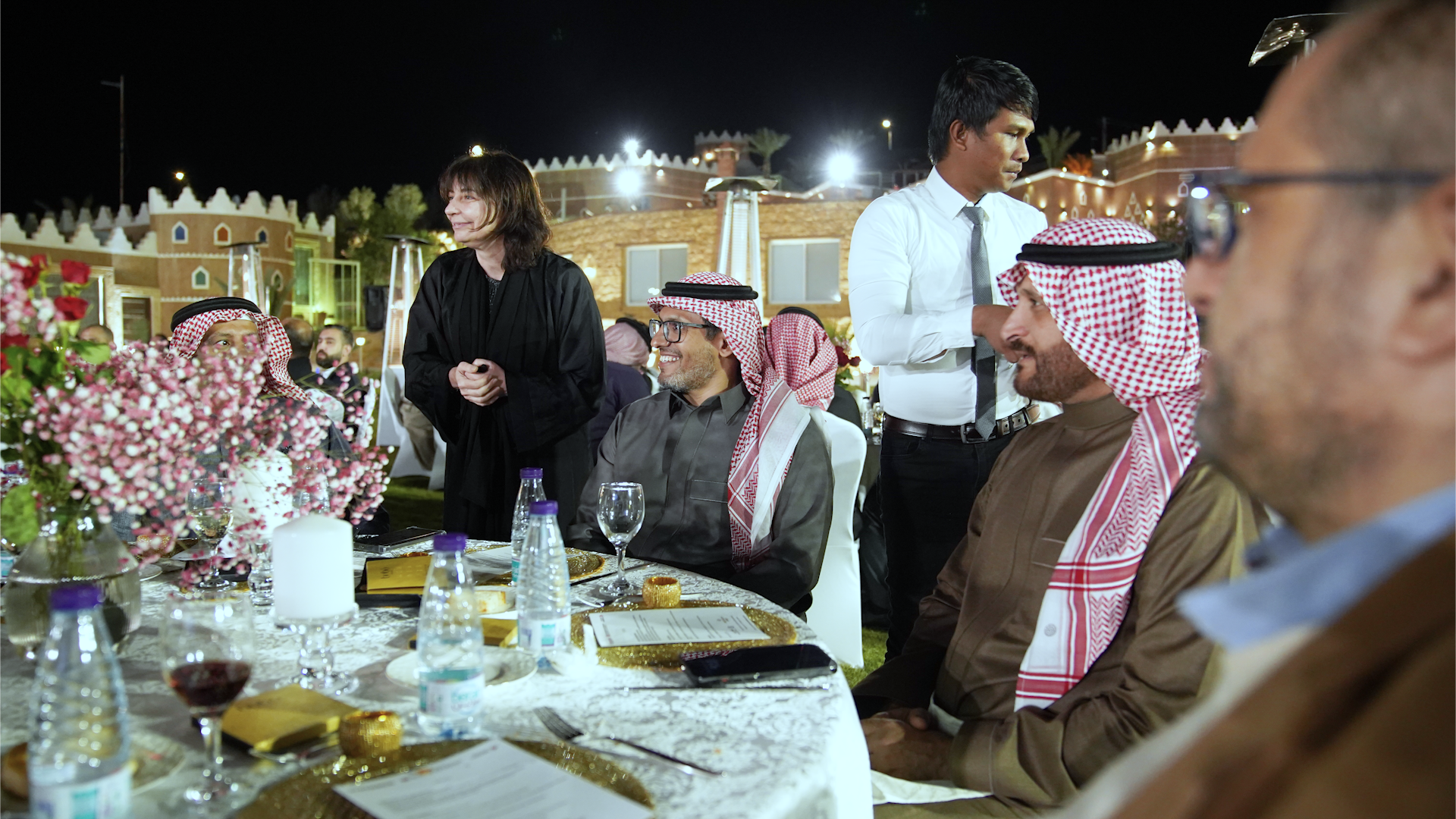
On the night of 28 December Riyadh hosted the Catalan Food themed night, an event for around a hundred guests including chefs, Saudi supermarket commercial managers, hotel and catering directors and Saudi government officials. Prodeca set up a display area with more than 40 Catalan product lines already present in Saudi Arabia, and the evening closed with a dinner prepared by chefs Rafel Múria and Noureddine Jalloul, inspired by the Catalan products available in the country and adapted to the Saudi market.
Rafel Múria is chef at the Michelin-starred Quatre Molins restaurant in Cornudella de Montsant. His restaurant showcases native products and varieties to bring Catalan culinary tradition up to date. Born in El Perelló, he comes from a family with a long beekeeping tradition and is known as "the honey chef". Raised among flowers and hives, honey defines his innermost imagination, giving him an entirely personal, new language.
Noureddine Jalloul is considered one of European haute cuisine's rising stars: the prestigious Le Cordon Bleu school has named him one of Spain's 50 best young chefs four years running. Born in Ulldecona, he has a strong track record: in 2019 he was one of 10 scholarship holders (from more than 400 candidates) at El Celler de Can Roca, has been head chef at ABaC, left his culinary mark at L'Antic Molí in Tarragona and is currently a chef at Ricard Camarena's Habitual restaurant in Valencia. A passion for culinary creation defines this young chef, who has brought his commitment to excellence to halal cuisine too.
Saudi Arabia, the leading importer of food from the European Union
With a food market estimated at almost USD 30 billion (expected to reach USD 40 billion by 2028), Saudi Arabia is the leading importer of food from the European Union, accounting for almost 40% of its total global purchases. It is one of the region's largest markets, with around 36 million inhabitants, and has one of the region's youngest populations: roughly 70% are under 30.
The growing presence of millennial consumers in the market (those born between 1980 and 2000) is also having a significant effect on food consumption trends. The market is adapting to this generation's buying habits — greater purchasing power and growing interest in imported food. As a result, niches are opening up for exotic, high-quality food.
With sales of Catalan products worth more than €150 million in 2022, Saudi Arabia is the 22nd destination market for Catalan agri-food exports, the 11th outside the EU and the 2nd in the Middle East (after the United Arab Emirates). Over the last five years, sales of Catalan products have risen more than 40% in value and almost 300% in volume.
The main Catalan products exported to the Saudi market are fine food products (sweets, confectionery, honey, snacks, bakery and pastry products, nuts, vegetable juices, cheeses, broths and so on), fruit (mainly pears and apples) and cereals and milling.
In 2022, 182 companies exported there, 90% more than 10 years earlier, representing 30% of the companies exporting to the Middle East (355 companies).
Halal Catalunya, a commercial opportunity for the Catalan agri-food sector
The creation of the Halal Catalunya certification opens a commercial opportunity for the Catalan agri-food sector and adds to the work Prodeca is already doing to promote Catalan produce — in this case halal — in the Middle East.
Besides the Catalan Food Festival Riyadh held in recent days, Prodeca also organises the joint participation of Catalan companies at the region's main fairs, such as Gulfood, held early in the year in Dubai, with its own pavilion since 2017, and Saudi Food Show in Riyadh in late May, since its first edition in 2022, both under the brand "Catalonia, where food is culture". Work is also under way on organising various point-of-sale promotions, such as the recent one at the Dean & Deluca supermarket in Kuwait.
In this way,, Catalonia stands out as one of the countries most firmly committed to the halal guarantee , and the agri-food sector demonstrates its ability to adapt to new consumer segments while keeping its origin and distinctiveness.
The halal segment has established itself as one of the world's leading food markets and represents a major commercial opportunity for Catalan agri-food companies. It comprises more than 2 billion consumers, 25% of the world's population, and in 2022 exceeded €3 trillion in value, with more than €4 trillion expected by 2028.
This food option goes beyond Muslim consumers, as increasingly halal-certified food is seen by a growing share of consumers as a guarantee of quality and safety, alongside growing interest in organic food and drink and other certifications that add to this trend.
The expected increase in halal food and drink in shops, supermarkets and hypermarkets, driven by demand from Muslim and non-Muslim consumers both internationally and in Europe, will contribute to the segment's forecast growth in the coming years. At the same time, adopting different marketing strategies — such as product innovation and expanding and customising product lines with standardised tastes — makes for a more diverse offer within consumers' reach.

12.09.19
Catalonia boosts its presence on halal markets with top-quality products
The value of Catalan agri-food exports has risen sharply in that part of the world due to the increasing penetration of products such as meat, fruit and vegetables, cereals, coffee, tea, spices, fish, patisserie products, and beverages.

02.16.20
The halal segment, a future opportunity for Catalan companies - Zakira Seyda
The halal market is estimated to be growing at 6.2% a year. Zakira Seyda, an auditor at Halal Certification Services, takes us through the keys to this market segment.