


DOQ Priorat
DOQ Priorat Regulatory Council
Address: Carrer Major, 2
43737, Torroja del Priorat
Telephone: +34 977 839 495
Email: info@doqpriorat.org
Website: www.doqpriorat.org
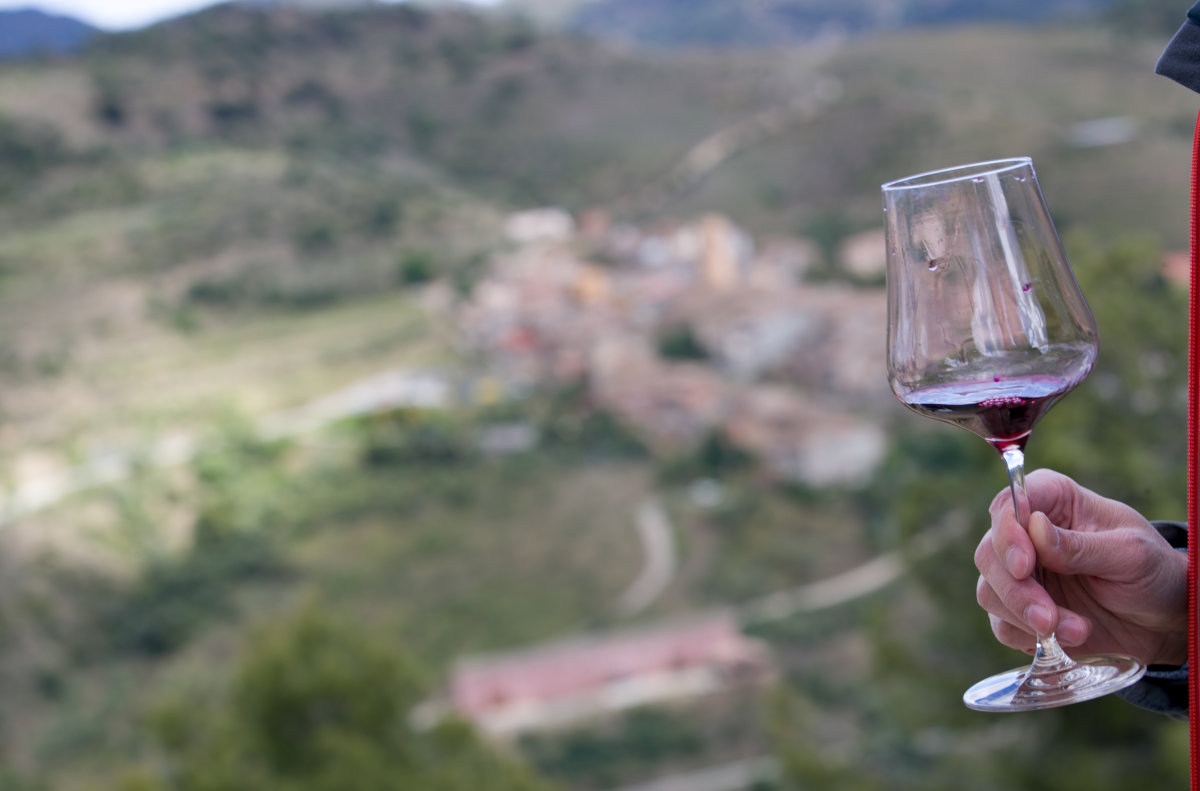
The prestige of the Priorat is recognised with the highest quality stamp: the Qualified Designation of Origin.
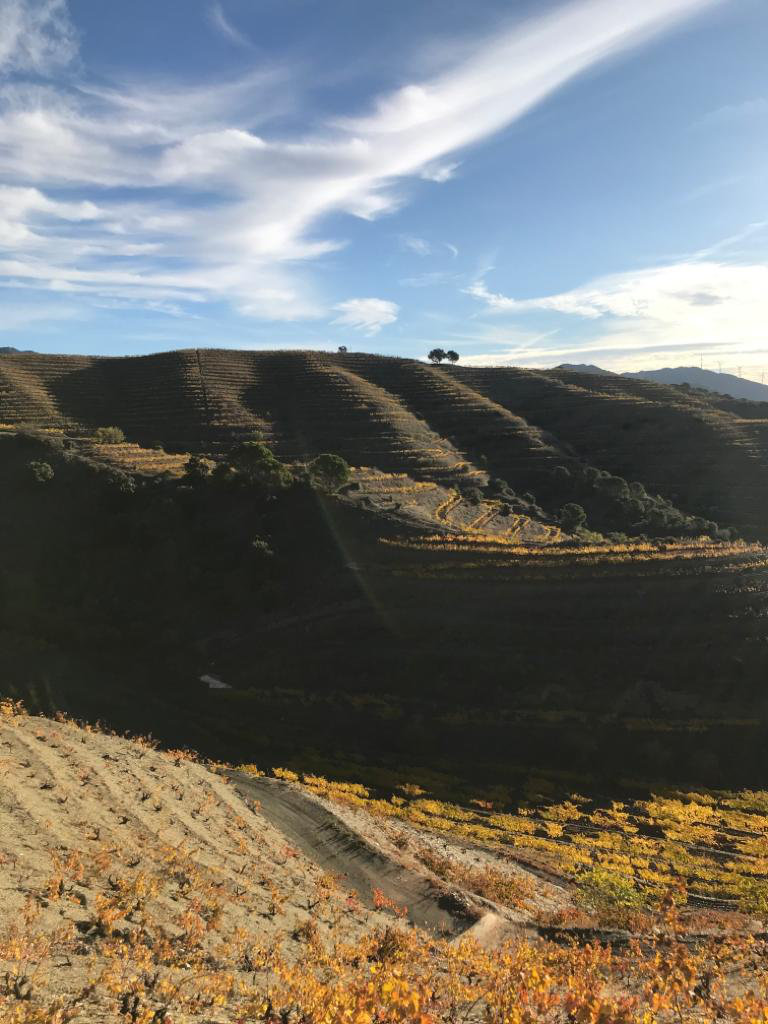
The typical local soil there is the “llicorella” slate, which has very good drainage, forcing the vines to grow deep roots, with very low and concentrated production.
Its name comes from the Carthusian monastery of Scala Dei, “el Priorat”, which reintroduced wine-making to the region and kept it going throughout the Middle Ages.
Two factors have led to DOQ Priorat wines being valued worldwide: its history and its soil, orography and climate. Firstly, the Carthusian Monastery of Scala Dei built there in the 12th century was the start of the local wine-making tradition, which has continued right through to this day.
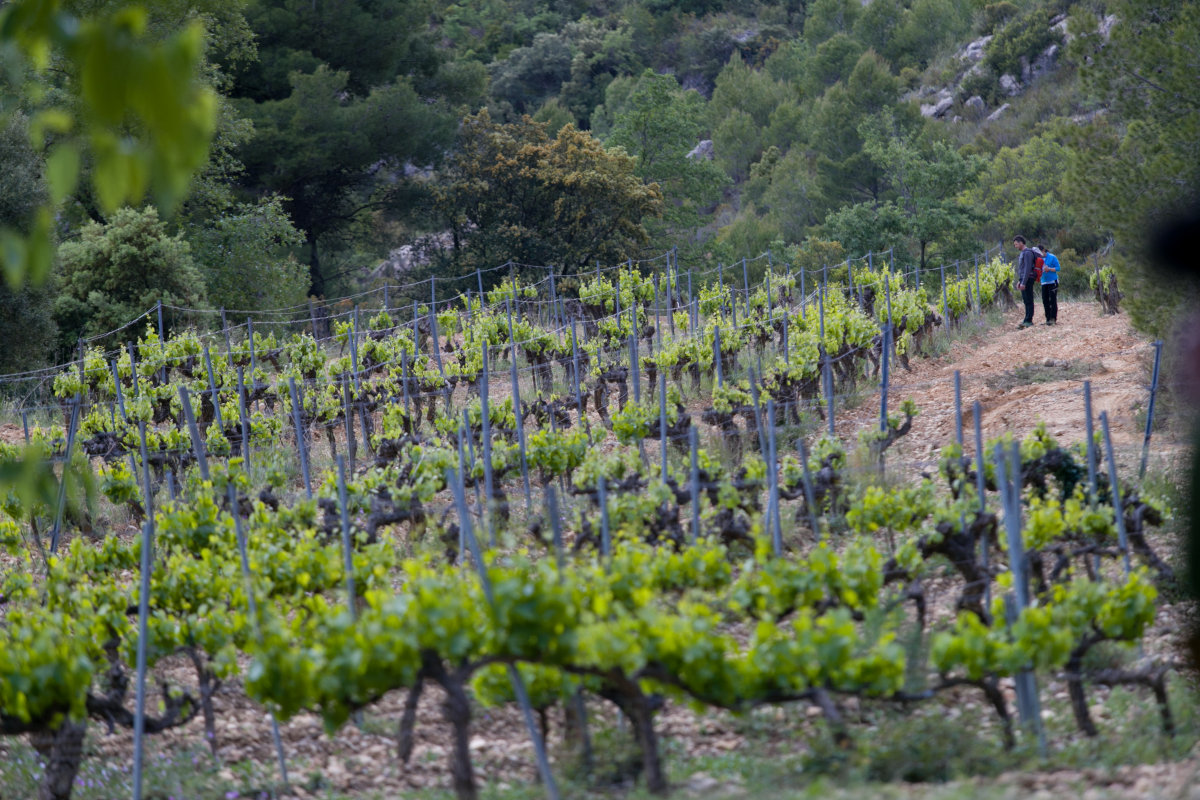
Secondly, the difficulty of growing vines on such a rugged terrain meant that it never fully recovered from the phylloxera plague at the end of the 19th century, a crisis that lasted until the late 20th century. As a result, vineyards were not renovated so there is an outstanding heritage of old vines, some aged almost a hundred years, from which the Priorat’s best wines are made today. It also led to more fragmented property ownership, with many small wineries in addition to cooperatives, as opposed to the large landowners in other wine-growing areas. The area covered by the DOQ Priorat does not coincide with the county boundaries: it comprises only 12 villages, and even then only in part, of the 26 that make up the county. They are the areas known as the “historic Priorat” - land that belonged to the Carthusian Monastery as well as some neighbouring plots that are rich in the “llicorella” slate (the soil typical of the Priorat).
Singular climate
The location of the DOQ Priorat, nestled between the Montsant mountains and the pre-coastal mountains, forms a very singular climate, with high sunlight and very low rainfall. Consequently, yields per vine are very low; in some older vineyards well below 1 kg per plant. The significant diurnal temperature variation of up to 20°C on the higher land also has a huge influence. All of these features lead to very concentrated wines, although in recent times they are made with less extraction and more moderate ripening to make them more delicate and the alcohol content lower.
Although the red wines take most of the limelight, the whites should not be overlooked. They are primarily made with Garnatxa Blanca, Macabeu and Pedro Ximenes, dry and mainly aged in barrels and more recently in clay amphora or vats; powerful, unctuous and wild. In addition, the traditional fortified, sweet and dry aged “ranci” wines are rare and exceptional oenological gems.
A wine for every spot
To closely link each wine to the specific location where it is made and inform consumers, the DOQ Priorat has created several wine categories:
Vins de Vila DOQ Priorat are made from grapes from only 1 village of the 12 that make up the DOQ: Bellmunt del Priorat, Gratallops, el Lloar, la Morera de Montsant, Porrera, Poboleda, Scala Dei, Torroja del Priorat, la Vilella Alta and la Vilella Baixa and the areas of Masos de Falset and les Solanes del Molar.
Vins de Paratge DOQ Priorat have been made entirely with grapes from a precise location (or cadastral lot) defined by the Control Board and with especially limited yields.
Vi de vinya classificada DOQ Priorat have been made entirely with grapes from a single vineyard classified by the Control Board and with especially limited yields.
Gran vi de vinya classificada DOQ Priorat have been made entirely with grapes from a single vineyard classified by the Control Board, using traditional cultivation methods and with particularly limited yields.