


DO Empordà
DO Empordà Regulatory Council
Address: Avinguda Marignane, 2
17600 Figueres
Telephone: +34 972 50 75 13
E-mail: info@doemporda.cat
Website: www.doemporda.cat
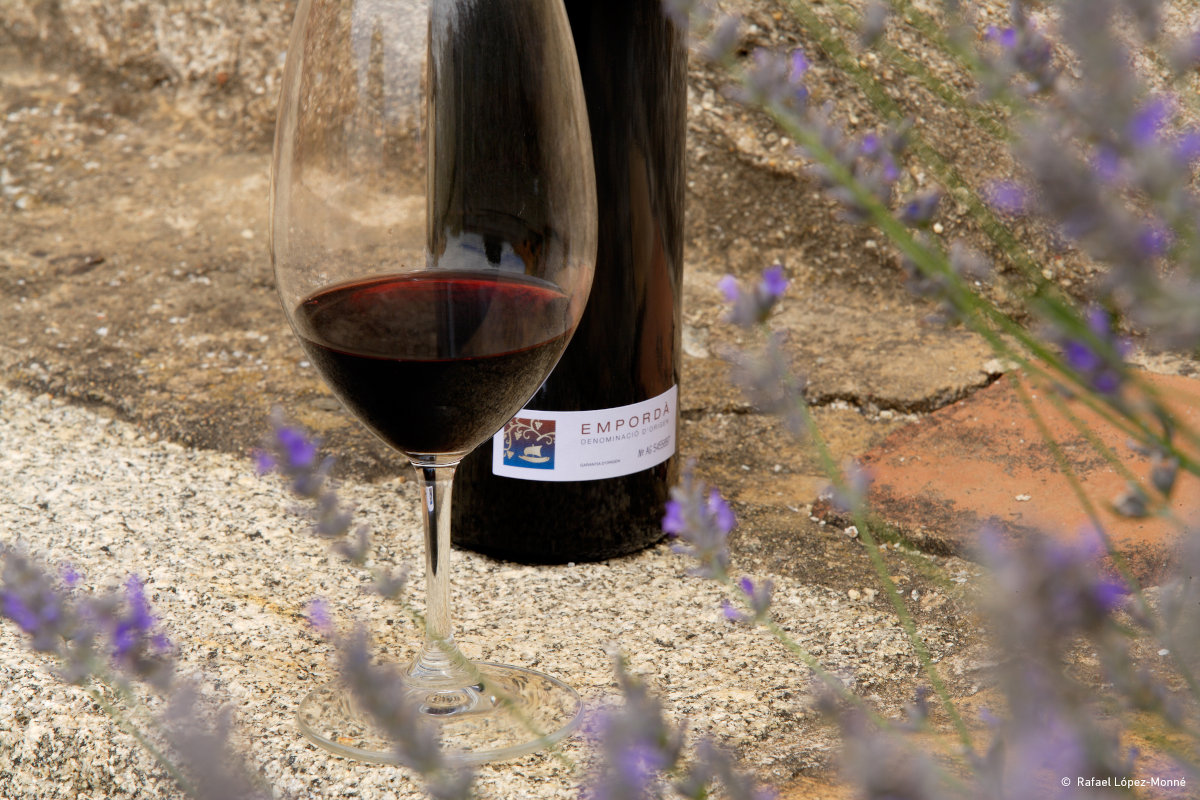
Its most characteristic wines are the Garnatxas d’Empordà - sweet wines made with this variety, known locally as Lledoner. Most of the Empordà wines, however, are dry, white, rosé and red.
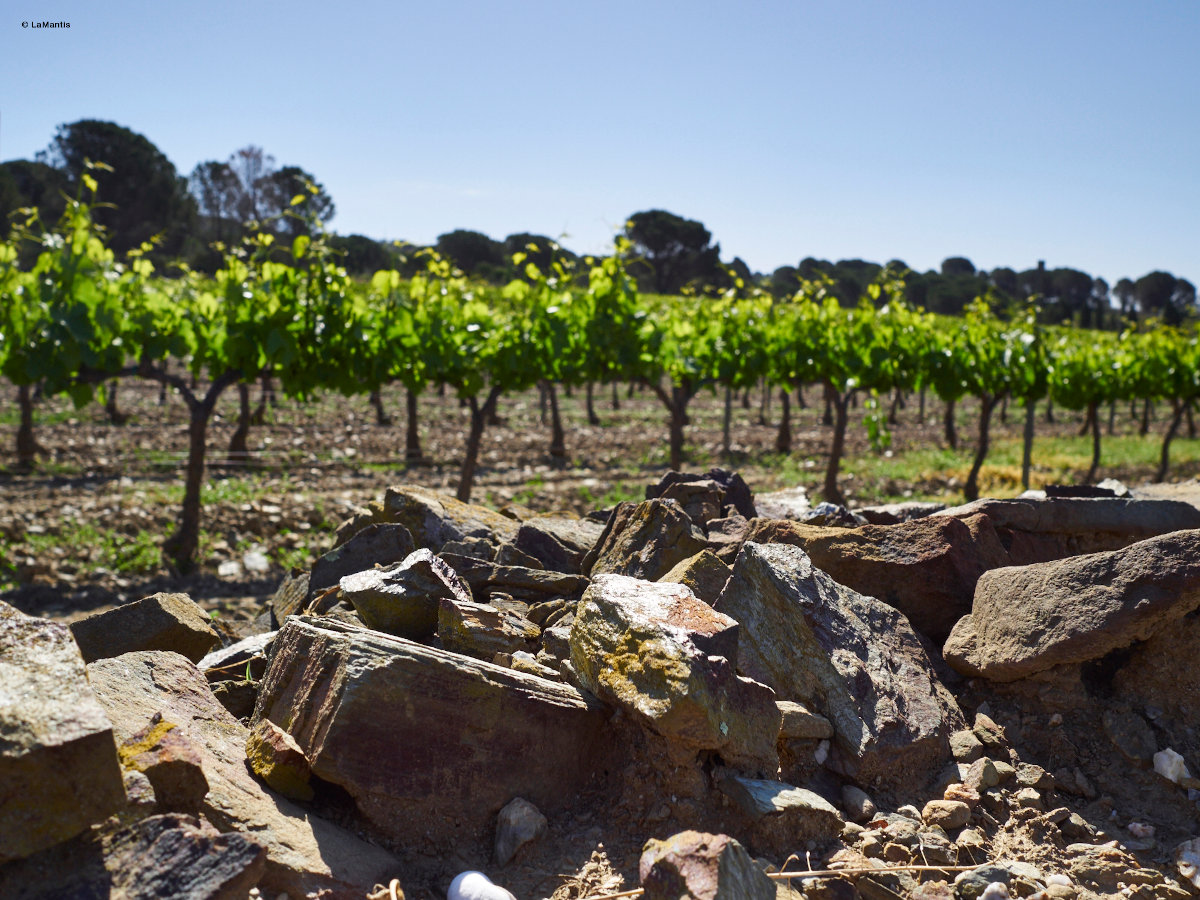
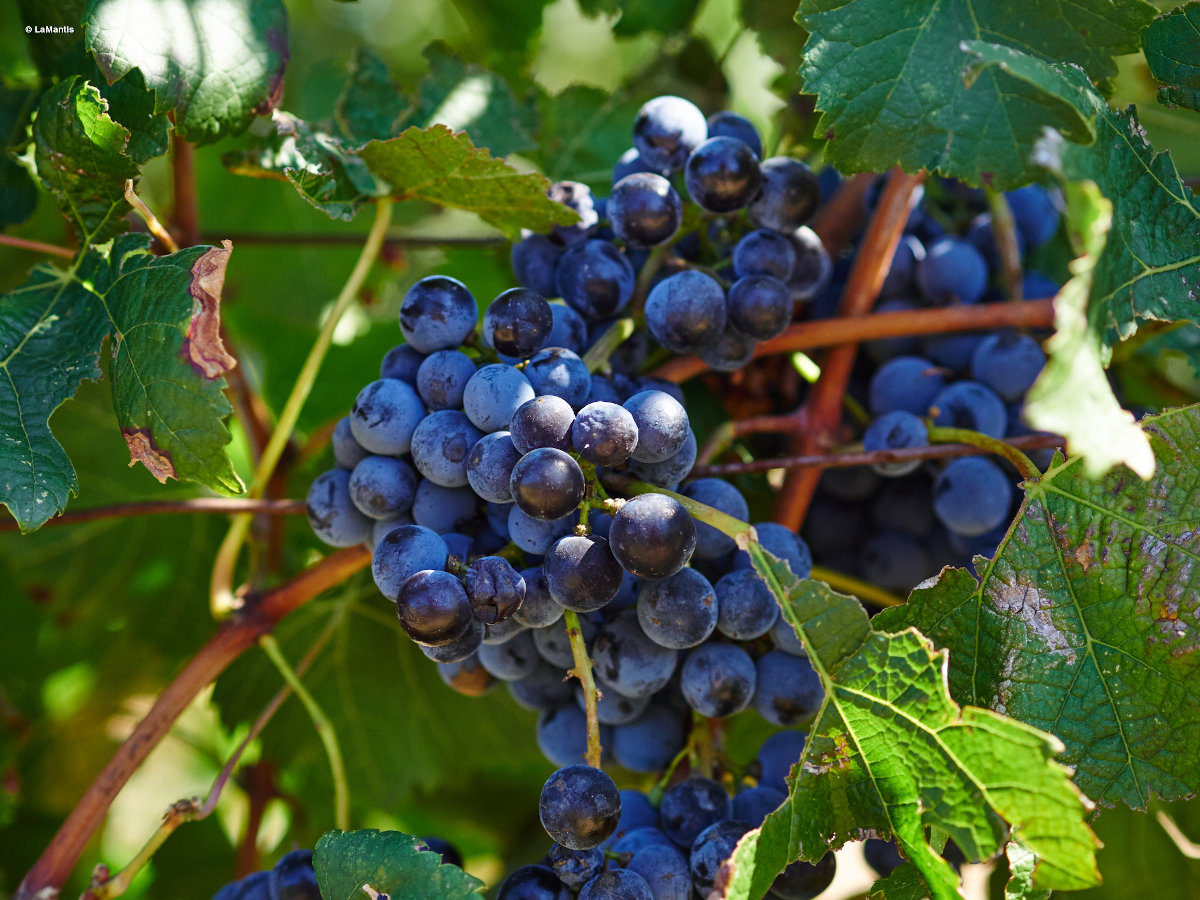
The most characteristic varieties are the three Garnatxas (white, red and black) and the Carinyena Negra. More recently, the autochthonous Carinyena Blanca has been reintroduced and very interesting wines are being made from it. The Tramuntana wind dries out the coastal humidity of the vineyards and fosters optimum ripening and grape health.
Empúries is traditionally thought to be where the Phoenicians and Greeks introduced vineyard cultivation to the peninsula. Later, the Romans and, in the Middle Ages, the Monastery of Sant Pere de Roda, continued to grow this crop in the Empordà, where it is still cultivated today. The most important winery of the DO is now Castell de Peralada, although there are also strong cooperatives that have successfully adapted to current times. More recently, the traditional suppliers have been joined by a steady stream of small wineries, which have added to the local offer with premium quality products.
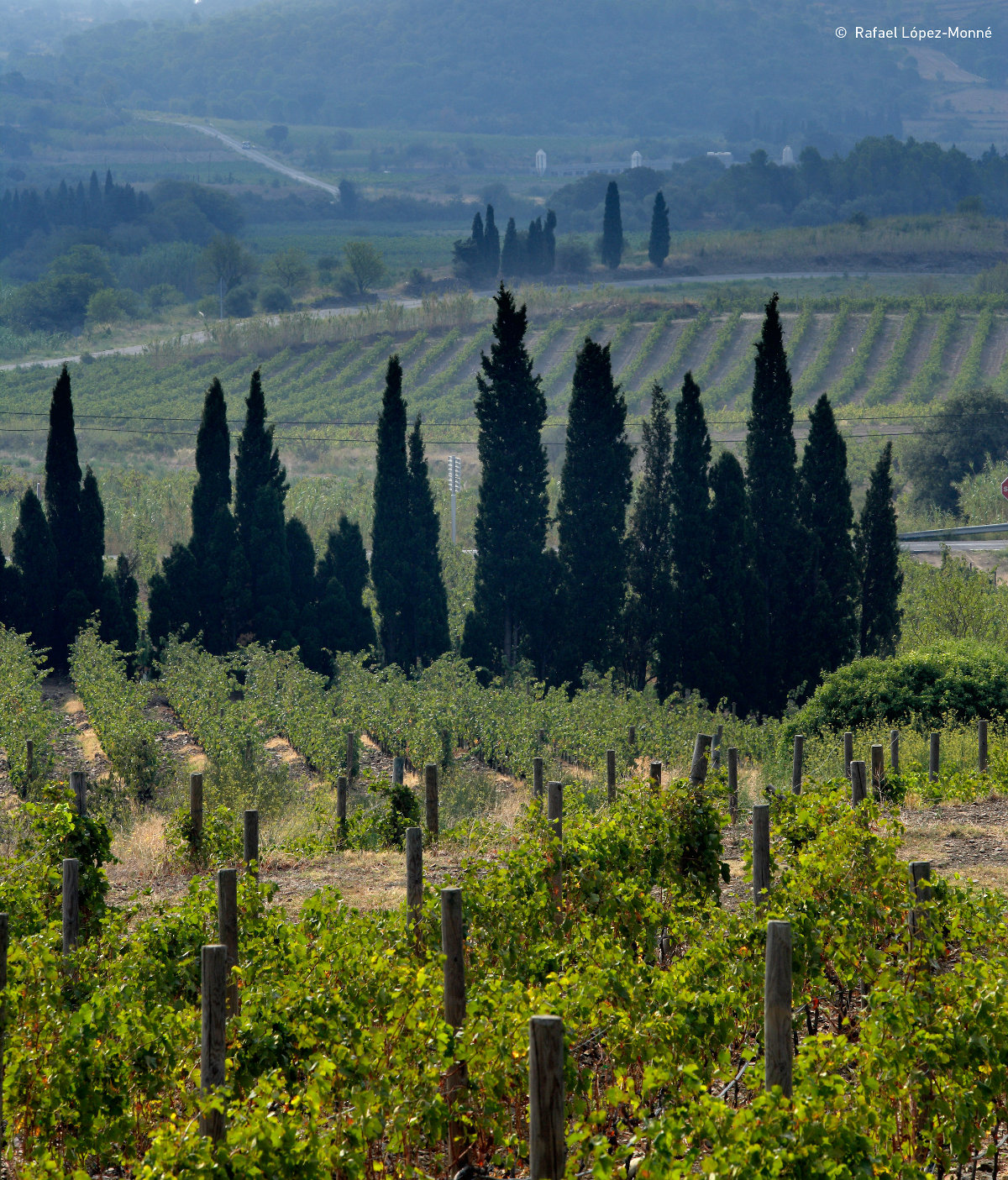
Like some of the typical local dishes, the area is characterised by the contrast between the sea and mountains, and the vineyards extend from the coast and Cap de Creus Natural Park to the first foothills of the Pyrenees in the Sierra de l’Albera.
There is a wide array of Empordan wines. The Macabeu, Garnatxa Blanc and Chardonnay varieties are used to produce fresh and flavoursome white wines. The rosés, made with Carinyena and Garnatxa, are characterised by a more or less intense cherry colour, a distinct personality and a delicate aroma, and are fresh and moderate in alcohol content.
The red wines, which currently account for most of the production, are primarily made with the Carinyena and Garnatxa varieties, supplemented by varieties that were introduced in the late 20th and early 21st century - essentially Cabernet Sauvignon and Merlot.
Garnatxa d’Empordà
This is so representative of the region that it has given its name to the wine made from it: Garnatxa d’Empordà, a sweet wine, usually made by adding alcohol to stop fermentation, thereby retaining some of the original sugar in the grapes. Several wineries have brought this traditional, almost homemade wine up to date by utilising modern technology and retaining its distinctive features to make it more commercially appealing and aimed at a wider audience. On the other side of the border, this type of wine has a continuation of its identity in the sweet wines of Roussillon from Banyuls, Collioure and Ribesaltes.