


DO Conca de Barberà
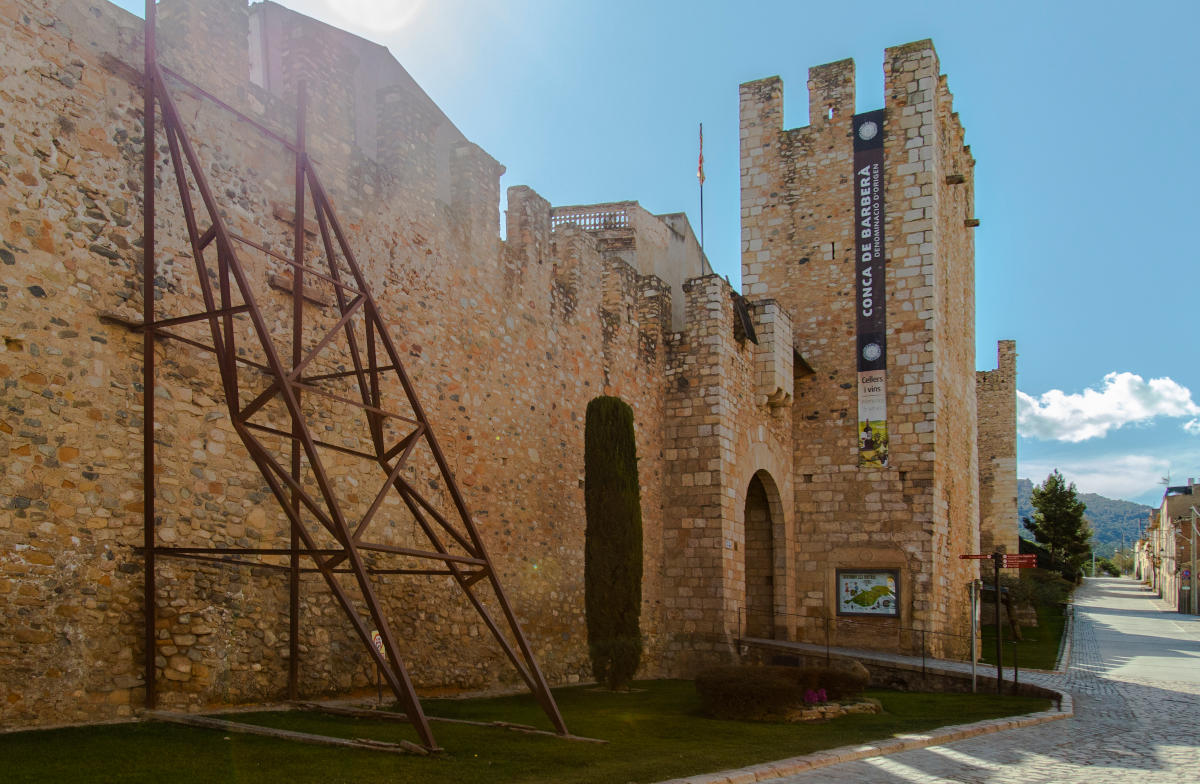
DO Conca de Barberà Regulatory Council
Address: Torre del Portal de Sant Antoni – C/de la Volta, 2
43400 Montblanc (Tarragona)
Telephone: 977 926 905
E-mail: info@doconcadebarbera.com
Website: www.doconcadebarbera.com
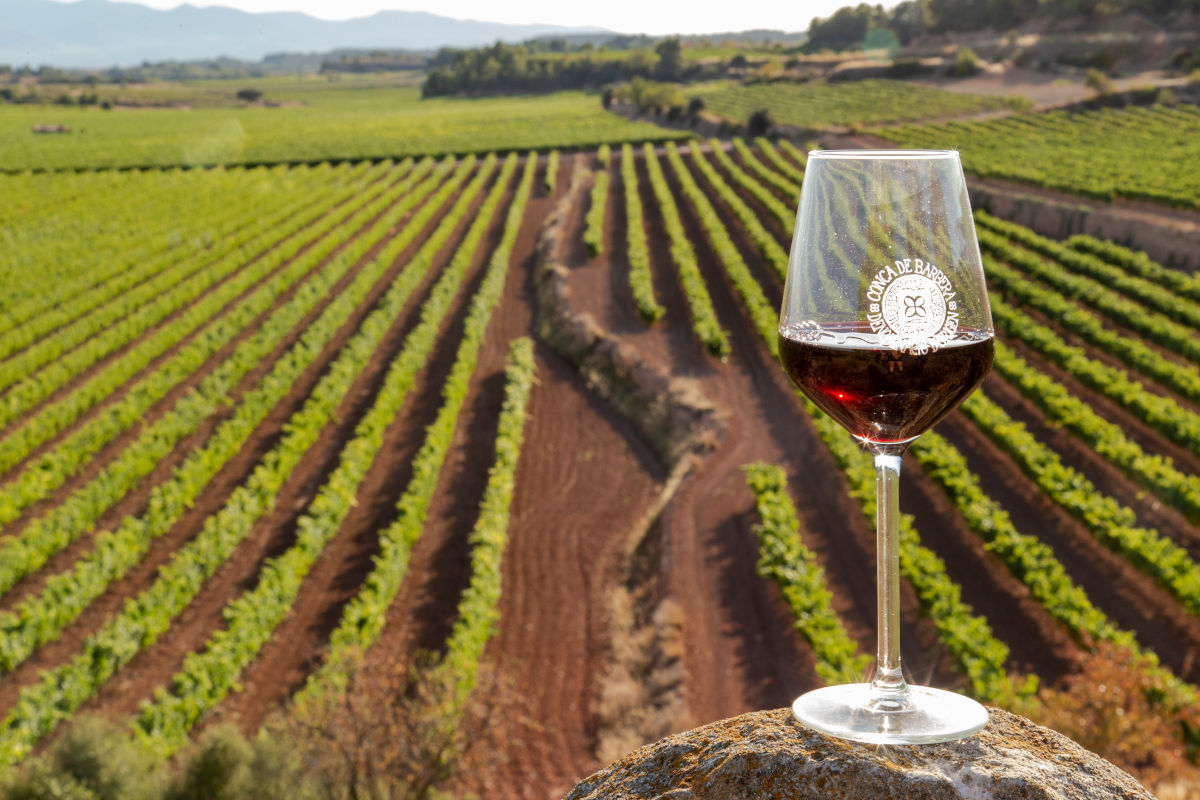
The DO Conca de Barberà has an autochthonous and almost exclusive variety of grape: the Trepat. It is an aromatic red grape with a weak colour.
The low colour intensity of Trepat has meant that for many years, rosés were the most typical wines from the Conca de Barberà. In recent years, more and more red wines have been produced without an identity complex about their weaker colour, since in return they are very fresh and elegant.
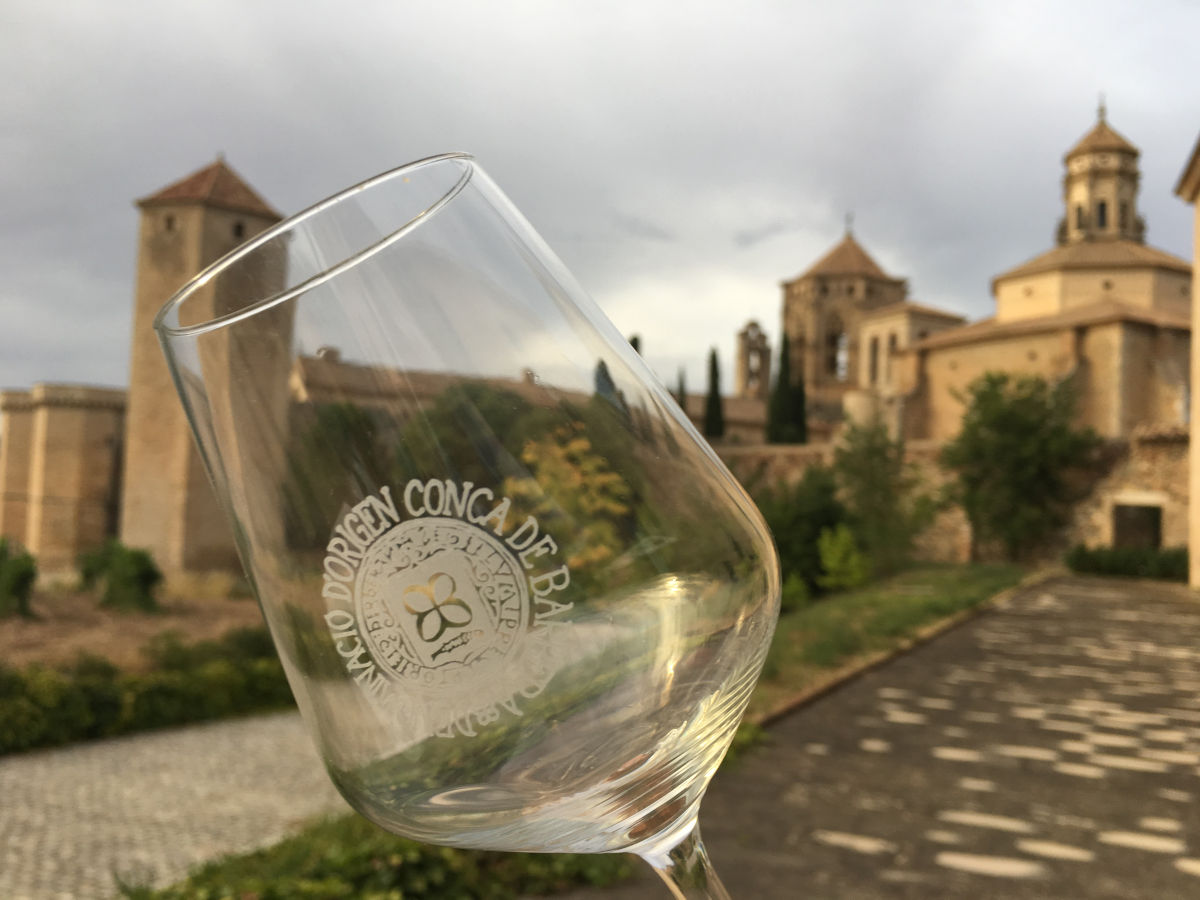
Poblet Monastery, for centuries the seat of religious power in Catalonia, is still surrounded by the vineyards which gave it the grapes that were transformed into wine in the cellar hidden away beneath the Romanesque cloister.
For years the identity of the DO Conca de Barberà was weakened by the fact that the DO Cava is present in the same area and much of the local grape production went to the major Penedès cava producers. However, a determined and confident commitment to Trepat wines in the last two decades has taken them to the forefront of Catalan wine, in addition to boosting the quality and prestige of Parellada and Macabeu whites and reds made with other varieties.
Indeed, the climate in this large circle surrounded by mountains that is the Conca de Barberà varies considerably from day to night and summer to winter, making it particularly suitable for producing high quality wines. This is borne out by the various major Penedès brands that make some of their top wines there.
Cathedrals of wine
Wine-making has left a historical and architectural stamp on the Conca de Barberà: the “cathedrals of wine” are large winery cooperatives built in the early 20th century in the aftermath of the phylloxera plague to help revive this traditional wine-making region. They are large modernist buildings, stemming from the strong cooperative movement which enjoyed support from the Commonwealth of Catalonia (‘Mancomunitat de Catalunya’).
Cèsar Martinell and Pere Domènech were the main architects and succeeded in combining great formal beauty with impeccable avant-garde functionality in these wineries, so much so that a few are still running today. Some of the most important are the wineries of the cooperatives in Barberà de la Conca, Espluga de Francolí and Rocafort de Queralt, the Union of Viticulturists and the Caixa Rural Agrària de Montblanc, the Agricultural Union of Pira, and others in neighbouring designations of origin.