


DO Cava

Cava Regulatory Council
Address: Av. Tarragona, 24
08720 Vilafranca del Penedès
Telephone: 93 890 31 04
E-mail: consejo@crcava.es
Website: www.crcava.es
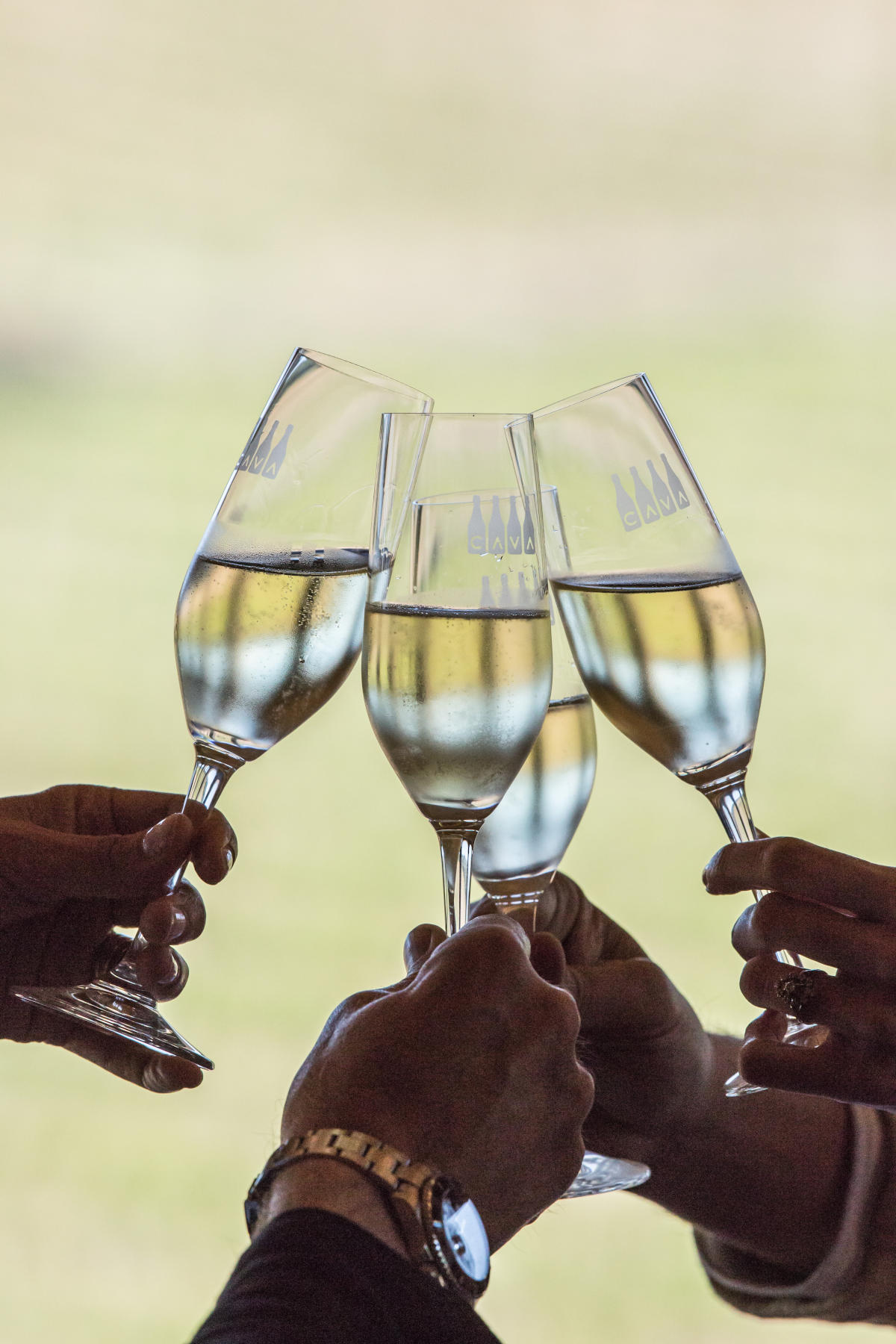
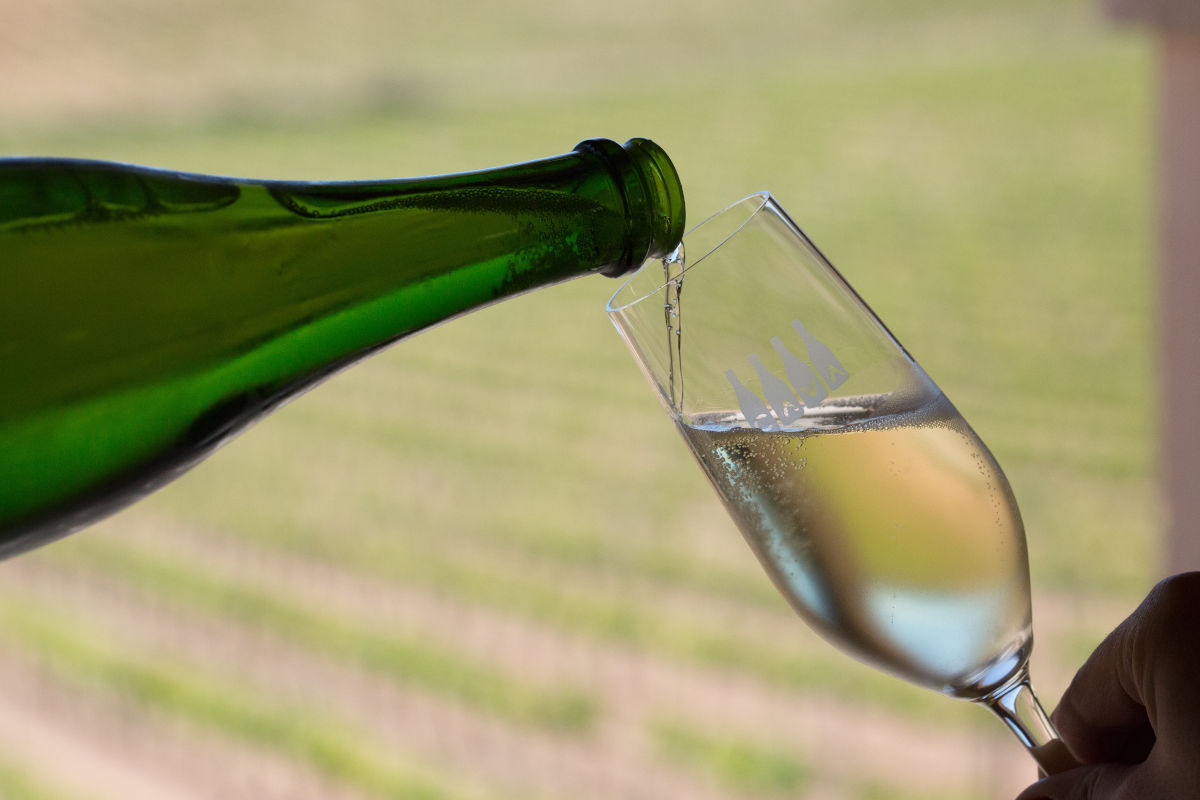
In Catalonia, the DO Cava is spread over several parts of the Penedès, Anoia, Baix Llobregat, Camp de Tarragona, Conca de Barberà, Costers del Segre and Empordà.
Outside Catalonia, the Cava Region includes municipalities in various other parts of Spain: Aragon, Castilla y León, Extremadura, Navarra, the Basque Country, La Rioja and Valencia.
These wines are usually made with a ‘trio’ of autochthonous varieties: Xarel·lo, Macabeu and Parellada, along with less common varieties, both autochthonous and from other origins. There are also rosé cavas, made with red grape varieties.
In the 19th century, as Catalan viticulture was burgeoning, a number of families from Sant Sadurní d’Anoia began to experiment with sparkling wine. Louis Pasteur’s progress in the field of microbiology made it possible to trigger and control a second wine fermentation, and the discovery of the cork stopper kept the bubbles inside the bottle.
Knows as ‘traditional’ or ‘champenoise’, this production method is the defining feature of cava. It consists of adding sugar and yeast to the bottle it will be sold in, usually to a white wine although rosé cavas are also made. When the yeasts break down the sugar, carbon dioxide is released and retained in the sealed bottle, therefore dissolving in the wine. This is how the signature bubbles are formed.
To complete the process and achieve good carbon integration, the DO Cava regulation requires minimum ageing of nine months, which increases to thirty months for Gran Reserva cavas and can be over ten years for the cavas aged for longest.
At the end of the ageing, the disgorging process takes place: the bottle is opened to remove the yeast that has collected as sediment. Next, a small amount of liquid is added to the bottle to make up for the amount lost during disgorgement, before sealing it with the cork. If no sugar is added at this stage, the cava will be a Brut Nature. If sugar is added, the result is an Extra Brut, Brut, Sec, Semisec or Dolç, depending on the amount of sugar. The miracle is made!
When the DO Cava was established in 1986, the “Cava Region” was defined to comply with the European Union regulation on designations of origin, which require an exact delimitation of the area concerned. It essentially comprises most of the wine-growing region of Catalonia, as well as the remaining towns around Spain where there was already a producer. As a result, although 95% of the production comes from Catalonia, it also includes a few municipalities in Aragon, Castilla y León, Extremadura, Navarra, the Basque Country, La Rioja and Valencia.
The varieties, the personality
Cava is fundamentally made with Xarel·lo, Macabeu and Parellada grapes, in addition to the rare relative Subirat. For rosés, the traditional varieties are Trepat, Garnatxa and Monestrell. Some years ago, the Chardonnay and Pinot Noir varieties from the Champagne region were also authorised, the proponents of which cite the international prestige of these varieties, while the critics believe that the autochthonous varieties are what give cava its character.