05.12.23
Catalonia bids to be World Region of Gastronomy 2025
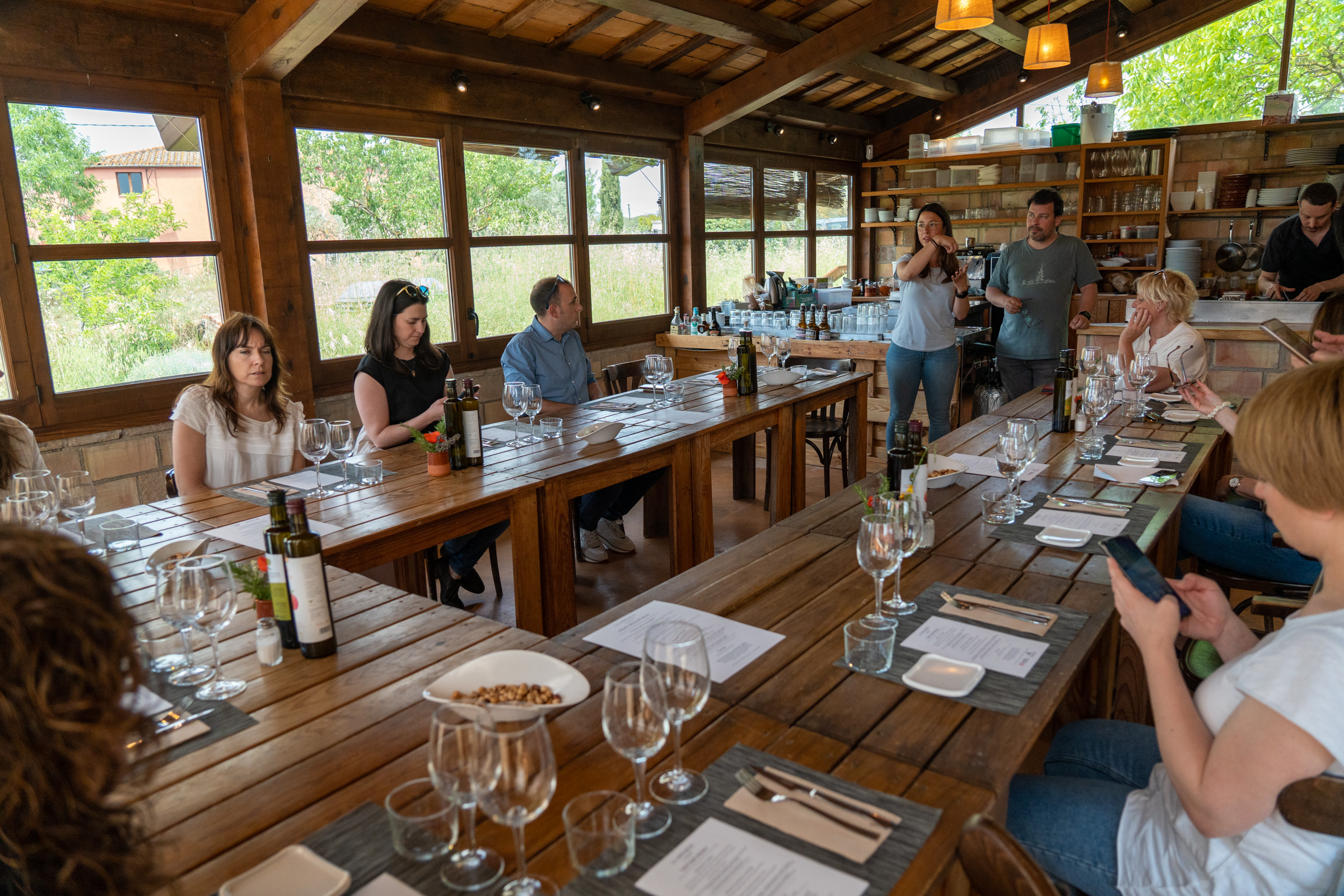
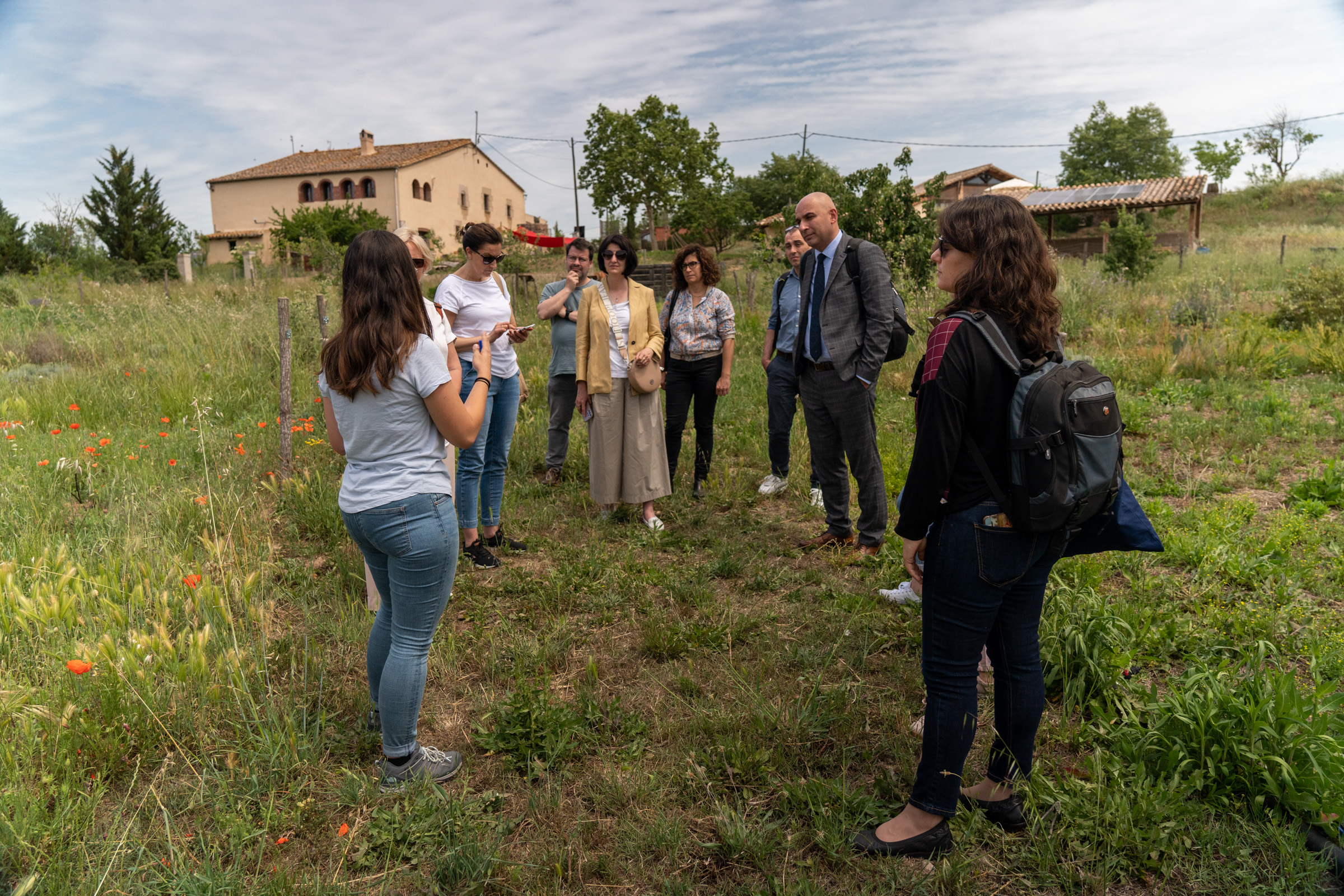
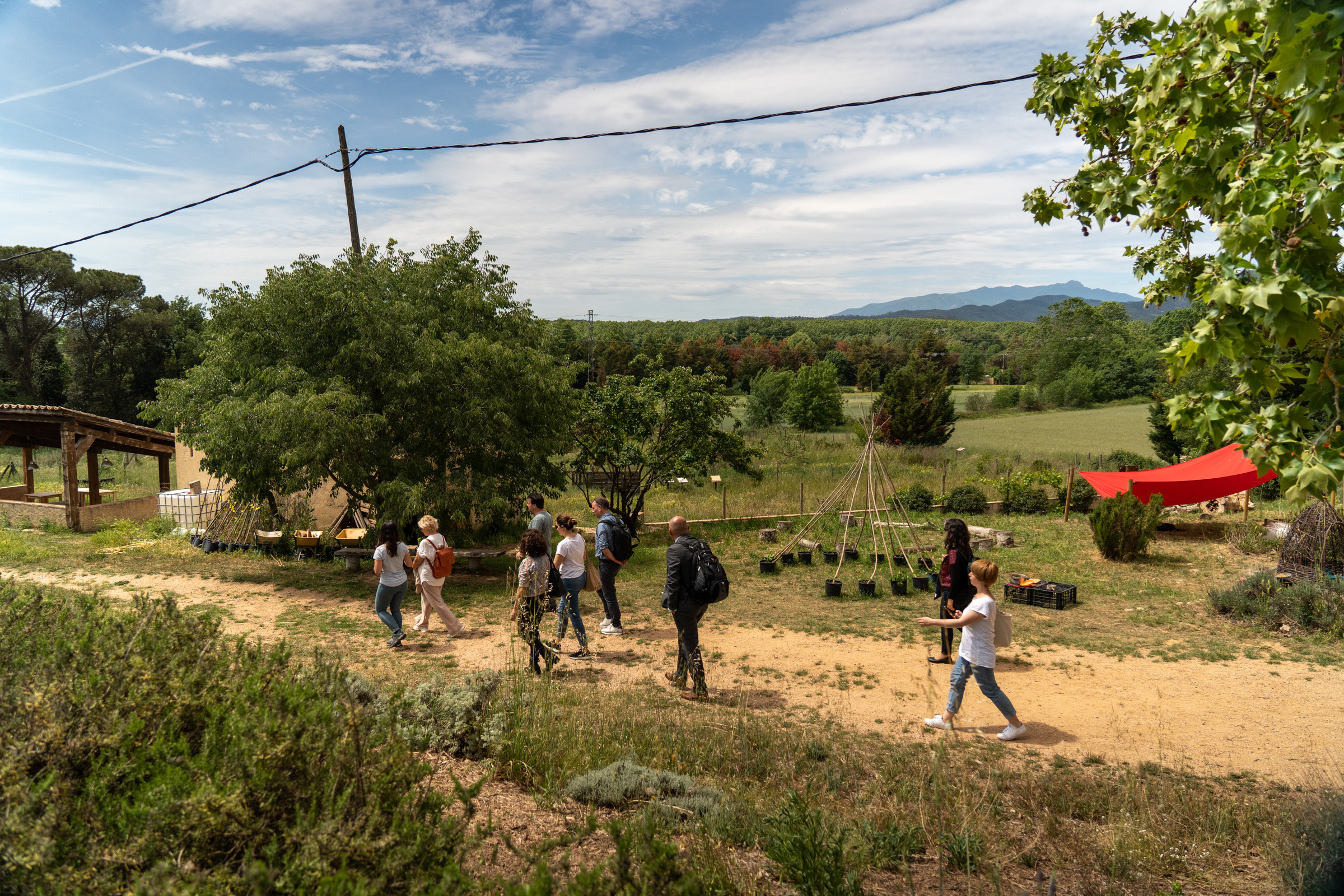
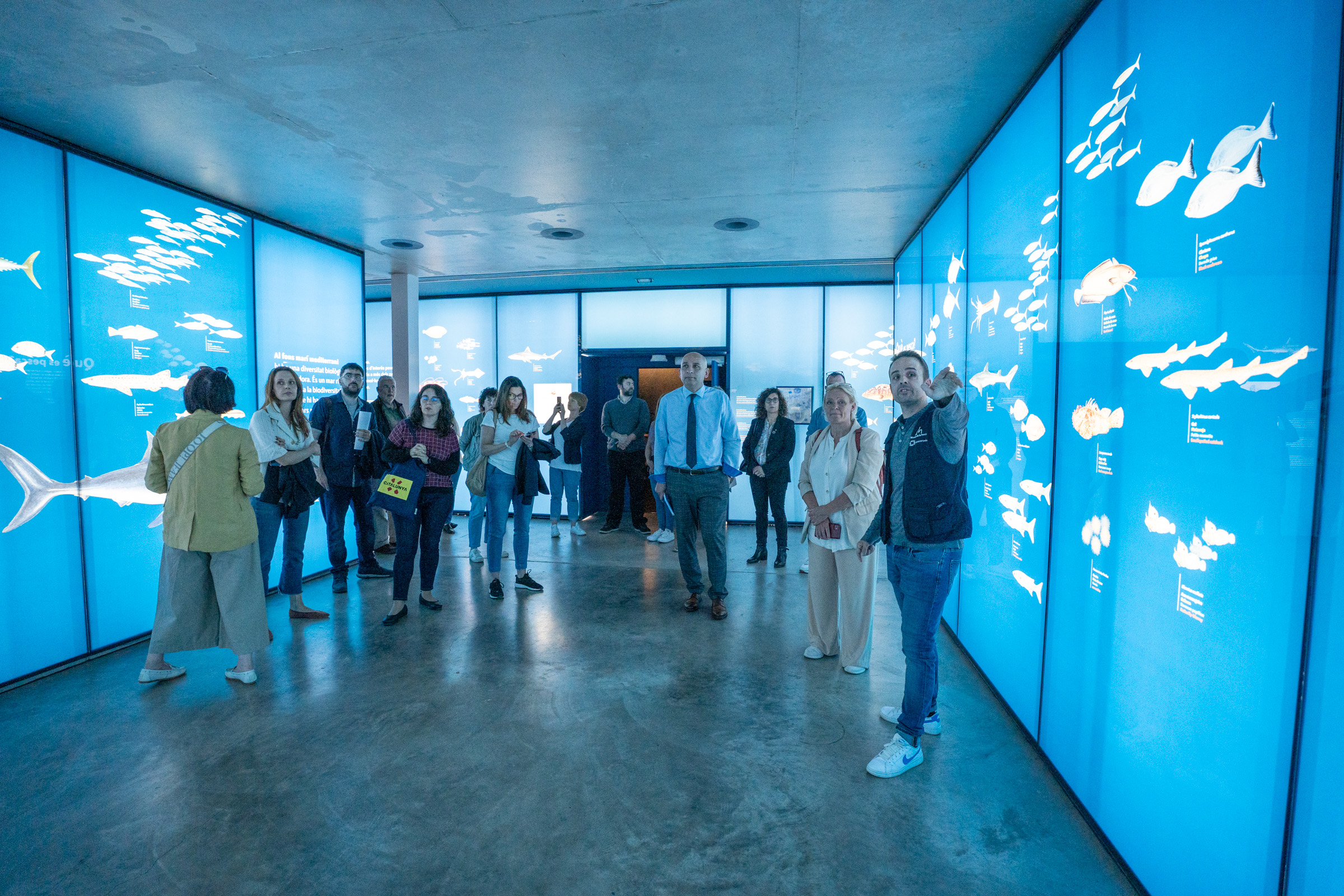
Catalonia has submitted a bid to become World Region of Gastronomy 2025. For this reason, a panel of international experts spent this week visiting various food and food-and-wine tourism projects to see first hand the potential of the bid, driven jointly by the departments of Business and Labour and of Climate Action, Food and Rural Agenda.
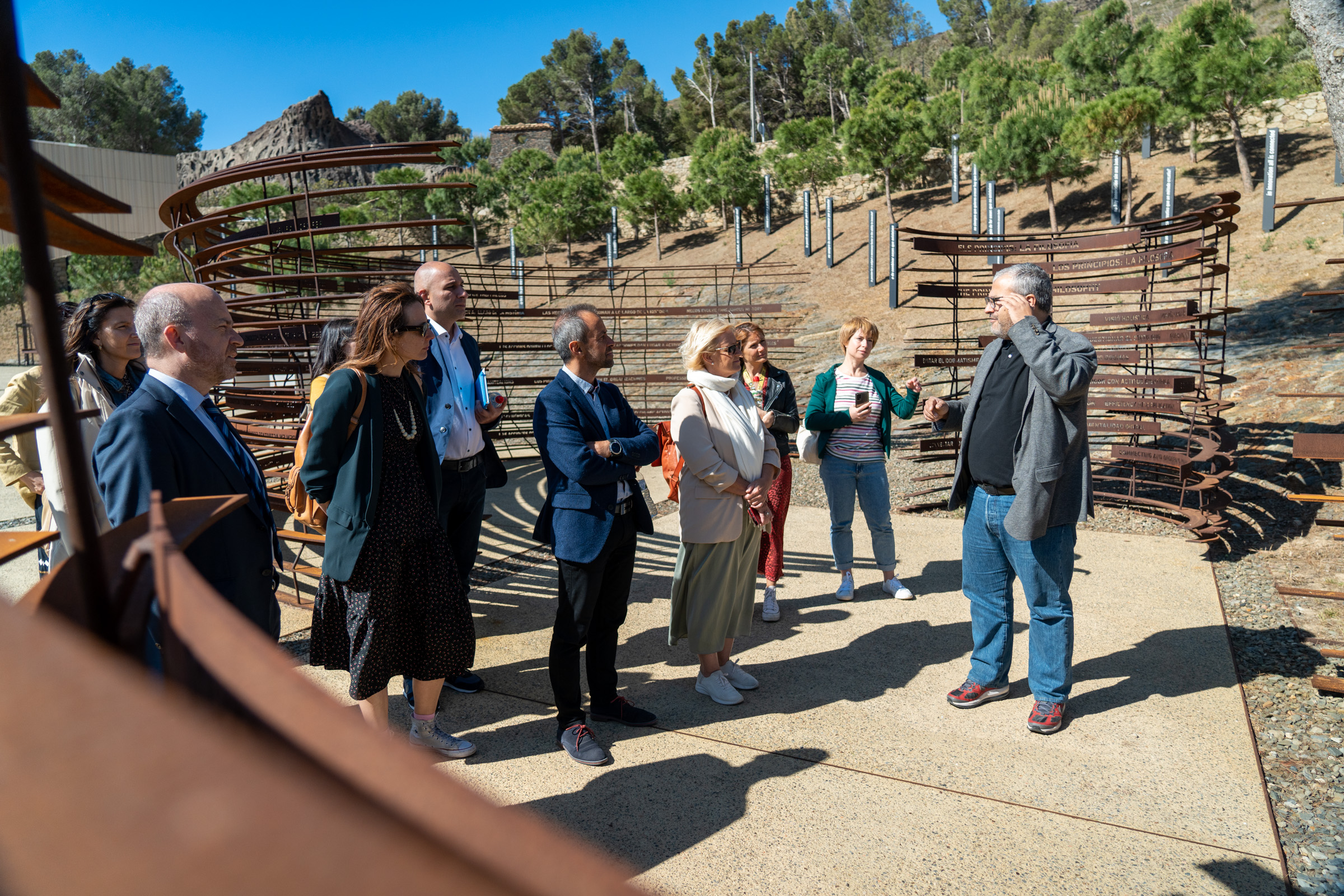
Norway's May Britt Hansen, coordinator of Trondheim-Trøndelag, European Region of Gastronomy awarded 2022 and project manager of Bocuse d'Or Europe 2024; Menorca's Quim Salort, cultural product officer at the Menorca Tourism Promotion Foundation and member of the coordinating team for Menorca, European Region of Gastronomy awarded 2022; Georgia's Levan Kharatishvili, CEO and founder of Creative Strategies Lab and former deputy minister of education, science, culture and sport of Georgia (2014-2021); and Slovenia's Barbara Zmrzlikar, head of the research, development, innovation and EU projects department at the Slovenian Tourist Board and coordinator of Slovenia, European Region of Gastronomy awarded 2021, are the members of the international jury that travelled to Catalonia.
World Region of Gastronomy is an initiative run by the International Institute of Gastronomy, Culture, Arts and Tourism (IGCAT). The title aims to highlight and promote regions that actively contribute to improving people's quality of life by valuing different food cultures, health and sustainability education and culinary innovation. The award lends regions credibility, as it is granted by an independent international jury of experts from fields such as tourism, culture, hospitality and farming.
In 2016 Catalonia was awarded the title of European Region of Gastronomy. If its bid is accepted, it will be the first region to become World Region of Gastronomy.
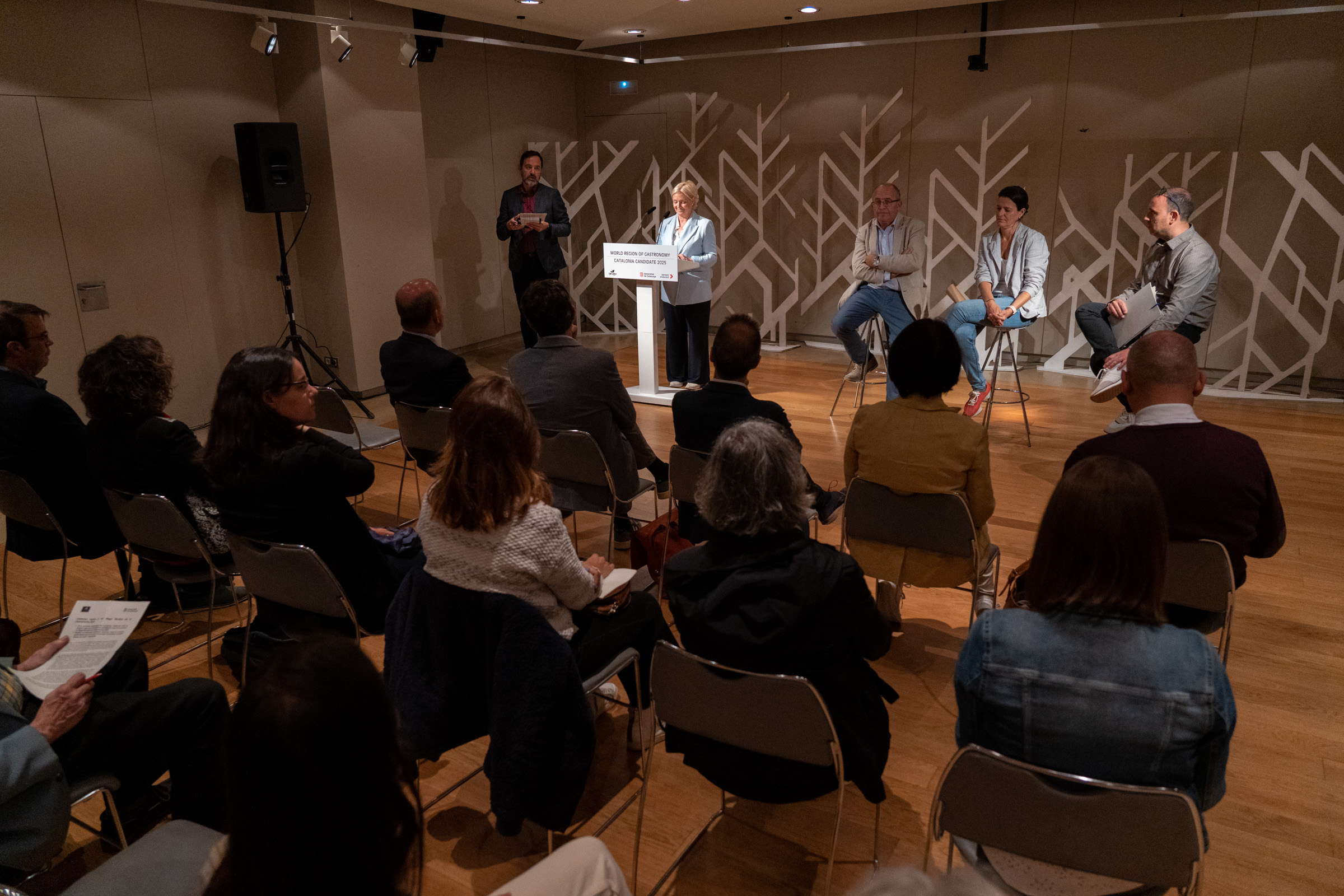
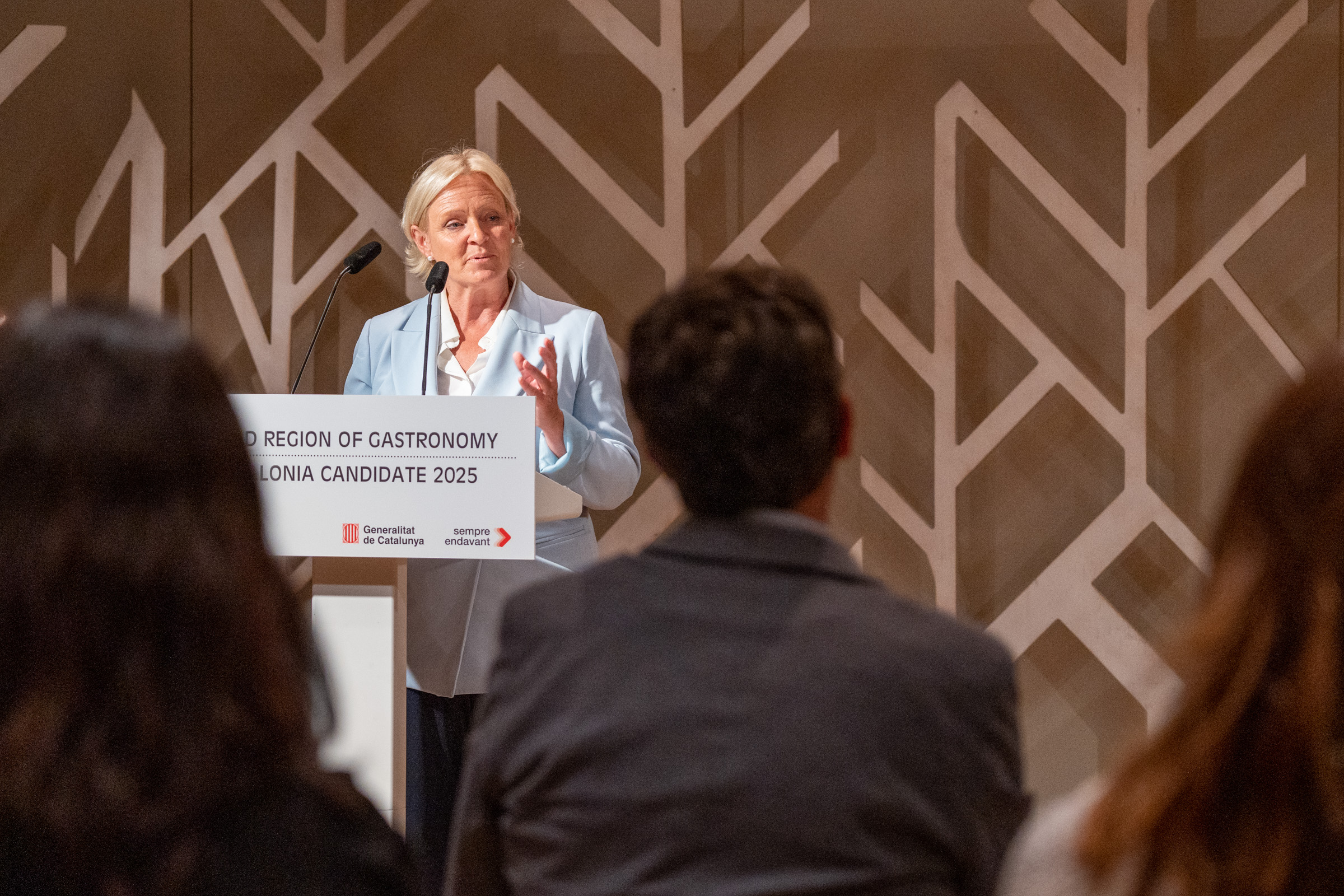
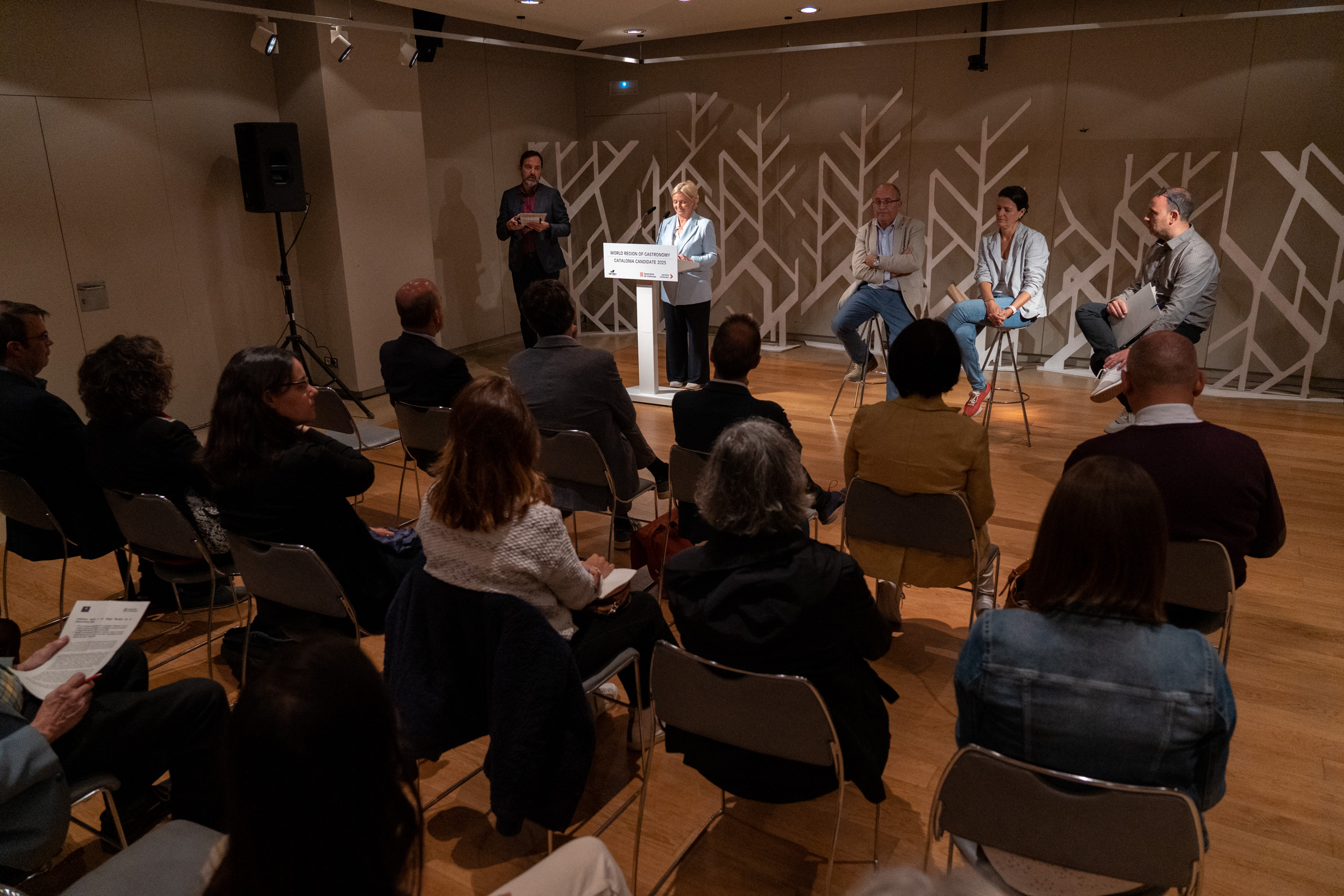
At the press conference, also attended by various Catalan tourism and agri-food representatives, the jury's initial assessment was presented, along with impressions about the requirements of the world distinction run by IGCAT and the platform of World Regions of Gastronomy.
IGCAT's president, Diane Dodd, highlighted the legacy Catalonia has built since being European Region of Gastronomy 2016. "The title has reinforced the benefits of cross-sector work to ensure that gastronomy, culture, food production and biodiversity remain a strong focus in Catalonia". Dodd also praised the multi-sector stakeholder organisations that "protect Catalan food tradition, develop culinary innovations and foster unique tourism experiences which, combined, will help secure a sustainable, healthy food future".
The jury assessed, among other things, the project's governance by the two ministries involved, the synergy and cooperation between the public and private sectors, the third sector and knowledge and research institutions, and the high degree of professionalism and quality of the initiatives linked to food and food-and-wine experiences. "Catalonia has an incredible history and track record of excellence in the culinary arts, and we have witnessed the modesty and realistic desire to keep striving to improve", said Quim Salort on behalf of the jury.
In the words of the Director General of Agri-food Businesses, Quality and Gastronomy at the Department of Climate Action, Food and Rural Agenda, Joan Gòdia i Tresánchez, "the jury has been able to see and enjoy much of our different landscapes and the products and cuisine linked to them. They have seen a significant sample of the projects that identify our tradition and our culture while also being groundbreaking and innovative."
Gòdia also noted that over these three days "the visitors have been able to get a sense of what Catalan cooking is and what we want to identify with the brand we are building. Everyone involved in the visits has shown their commitment to the Catalan gastronomy project as a national project in which very diverse strategies converge".
According to the Director General of Tourism at the Department of Business and Labour, Marta Domènech i Tomàs, this recognition "should help us gain visibility; it is a great loudspeaker for the world to know us as a food and wine destination". "It will let us be a benchmark for tourists interested in food. They are visitors we want because they spend more (3.5 times more than other types of tourist), travel all year round and are keen to discover different parts of our territory", said Domènech.
The observations following the expert jury's visit to Catalonia will form part of a final report that will determine in June whether Catalonia is ultimately awarded this global recognition in 2025 for the quality of its tourism, food and food-and-wine ecosystem.