


Point-of-sale analysis - WinMart (Vietnam)
Descarrega el document

Anàlisi punt de venda WINMART VIET
The point-of-sale analysis of WinMart in Nha Trang (Vietnam) shows how Vietnamese food retail is evolving towards modern distribution formats without losing its local identity. The chain combines a wide range of fresh produce, traditional foods and a growing presence of international products to meet the needs of the new urban middle class.
WinMart has established itself as one of the leading modern retail operators in Vietnam. Its commercial model adapts the Western supermarket to Vietnamese eating habits, keeping ingredients for home cooking centre stage while progressively adding imported products with higher added value.
One of the main insights is that the modern supermarket complements, but does not replace, the traditional market. The meat, fish, seafood, fruit and vegetable sections still occupy a very prominent part of the store, showing that home cooking remains central to consumption habits in Vietnam.
WinMart's commercial proposition rests on four pillars: a very extensive range of fresh produce, a strong presence of traditional Vietnamese foods, the progressive introduction of imported products and a commercial policy based on constant promotions and loyalty programmes. The result is a supermarket aimed mainly at the daily shopping of urban families.
Fresh produce builds trust. Fruit, vegetables, meat, fish and seafood occupy the most visible areas of the store and are presented with an emphasis on quality, order and abundance. This layout reinforces the perception of freshness and food safety, two attributes particularly valued by Vietnamese consumers.
At the same time, convenience categories are gaining weight. Bakery, pastries, sushi, chilled desserts, prepared fruit and other ready-to-eat foods respond to new urban lifestyles. Even so, this trend does not displace home cooking but complements it.
The product range remains dominated by local brands and products. Categories such as rice, noodles, sauces, dried seafood and traditional ingredients are very extensively stocked, reflecting the chain's commitment to staying fully aligned with Vietnamese cuisine.
At the same time, there is growing interest in international products. Categories such as olive oil, mineral waters, wines, chocolate and certain Japanese and Korean products broaden the range available and respond to growing demand from urban consumers who associate these products with quality, health and international lifestyles.
The supermarket is also evolving into an experience space. The presentation of fresh produce, the large central fruit islands, the chilled display cases and the areas devoted to traditional products help create a shopping experience built on abundance, freshness and trust, reinforcing the brand's positioning.
Another notable aspect is that provenance is starting to matter. Although Vietnamese consumers remain price-sensitive, European origin is increasingly perceived as an indicator of quality, food safety and trust, especially in categories such as olive oil, mineral waters and wines.
From the perspective of Catalan companies, WinMart is a particularly interesting channel for products with distinctive value. Categories such as extra virgin olive oil, wines and sparkling wines, tinned fish, cured meats, mineral waters and gourmet specialities can find opportunities in a market that is progressively broadening its international offer.
The report concludes that, in this market, building demand is as important as securing shelf presence. More than introducing new products, it is about creating new consumption occasions, explaining how they are used and linking them to gastronomic experiences. In this respect, proposals such as pa amb tomàquet can be an effective tool for easing the introduction of various Catalan products and reinforcing their distinctive value.
07.09.26
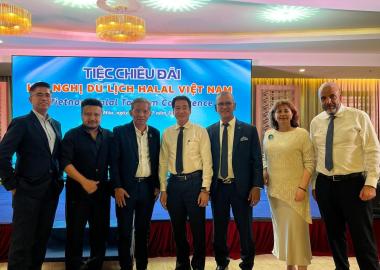
Prodeca takes part in the Vietnam Halal Trade & Muslim Friendly Tourism Conference
Susanna Barquín, head of the meat and halal sector at Prodeca, presented the Catalan agri-food model at an international conference bringing together institutions, companies and experts to boost cooperation within the global halal economy.