Trends in alcoholic drinks: functionality, sustainability and sensory innovation
The alcoholic drinks sector is undergoing a transformation shaped by new consumption values. Products with added functionality, made to sustainability criteria and with a strong focus on sensory innovation are gaining ground in markets worldwide. These trends not only respond to consumers' new expectations but also open opportunities for Catalan companies in wine, sparkling wine, vermouth, beer and ready-made cocktails that want to stand out nationally and internationally.
This article summarises the main findings of the report 'Trending in Alcoholic Drinks' produced by Mintel and identifies key innovation levers for gaining competitiveness in an evolving market.
1. New consumption habits: health, moderation and wellbeing
The moderation in alcohol consumption continues to rise, especially among young adults. 24% of European consumers no longer drink alcohol, and US adults have cut their consumption for financial reasons (48%) and health reasons (35%).
This shift in mindset is driving demand for alcohol-free drinks, not only as a healthy alternative but as a new category with value in its own right. In Germany, for example, alcohol-free beer has become an everyday product. 67% of low-alcohol beer consumers think the taste is very similar to the original, and almost half of young people (49%) see it as a "treat" equivalent to the alcoholic version. This shows how improved taste and the normalisation of consumption have been key to its popularity.
2. Functional ingredients: towards drinks that hydrate, relax or energise
Alcoholic drinks and their 0% alternatives are adding functional ingredients that deliver specific benefits:
- Hydration: electrolytes are added to compete with mineral waters and sports drinks.
- Relaxation: natural extracts such as GABA, ashwagandha or L-theanine are used to reproduce the sense of switching off that traditional alcohol provides.
- Energy: natural caffeine, guarana or B vitamins are used to position drinks as a stimulating option in social or party settings.
The data show growing interest in this type of product:
- 46% of Germans aged 18-34 drink isotonic beer after exercising.
- 50% of US consumers say they are interested in cocktails with functional ingredients.
- 25% of young Italians would be attracted to alcohol-free drinks with relaxing ingredients.
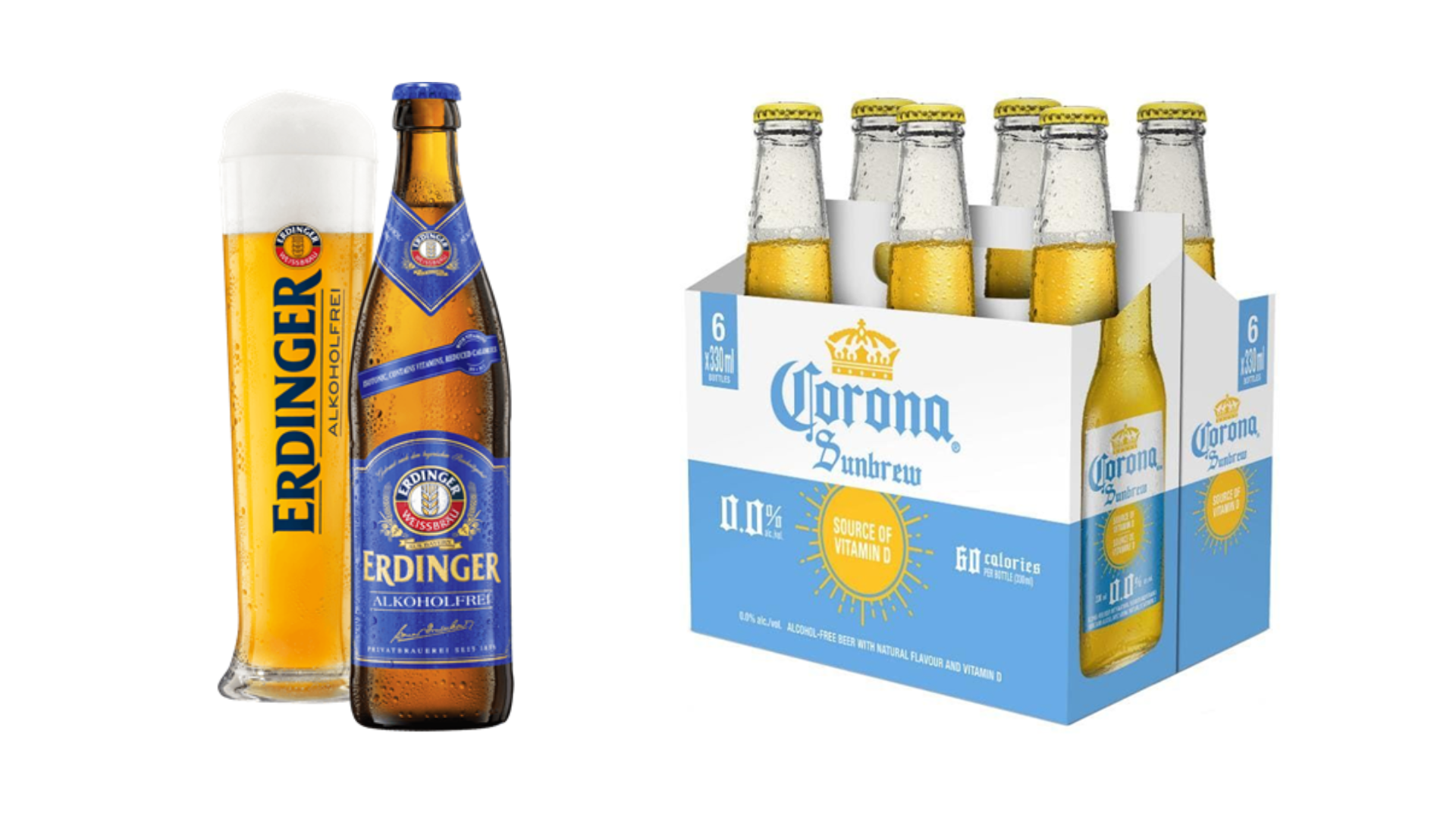
These trends are already translating into specific products. Erdinger Alkoholfrei Isotonic, for example, is an alcohol-free beer with isotonic function, added vitamins and fewer calories, designed for post-exercise recovery. Meanwhile, Corona Sunbrew Alcohol-Free Beer contains vitamin D, highlighting its functional health value. These cases show how brands are using smart reformulation to position 0% ABV drinks as healthy, active and appealing alternatives.
3. Sustainability: from green packaging to regenerative alcohol
Despite price sensitivity, consumers continue to value brands' environmental commitment. The most valued attributes are:
- Sustainable packaging: recycled or lightweight materials, biodegradable closures and aluminium cans.
- Reusing surplus ingredients from the food chain, such as discarded fruit or seaweed.
- Regenerative agriculture: especially present in the wine world, with bodies such as the Regenerative Viticulture Foundation leading the transition.
- Using drought-resistant ingredients, such as the African supergrain fonio, already being used in craft beer production.
- Molecular or synthetic alcohols, which reduce the environmental impact of traditional growing and production.
This evolution of the sustainability narrative responds to an increasingly conscious consumer who wants to see concrete, transparent action, especially on water resource management and ingredient origin.
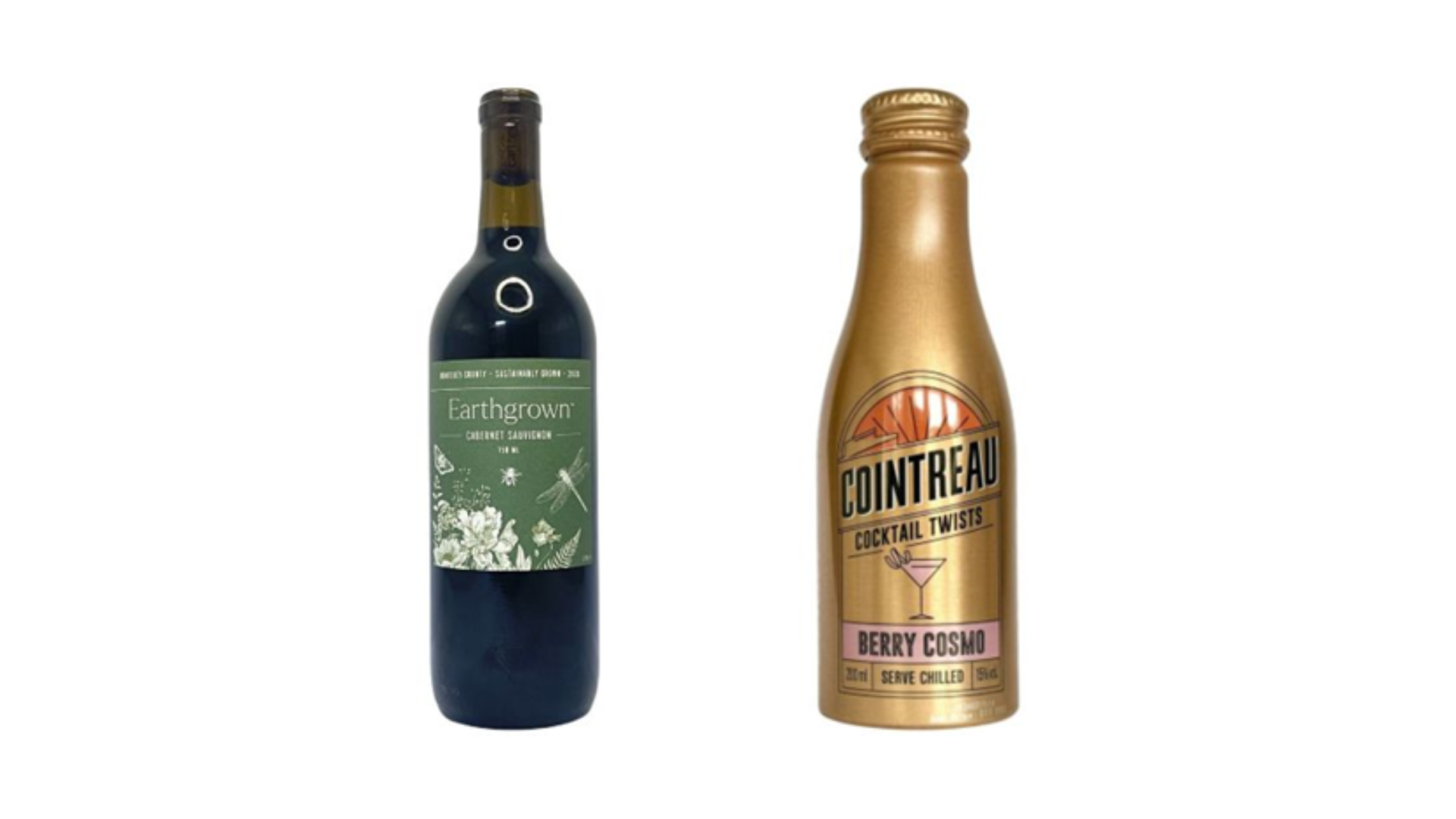
Several international brands are already adopting packaging solutions that reduce their products' environmental footprint. In the United States, Earthgrown 2020 Monterey County Cabernet Sauvignon uses a lightweight, recyclable pack, with biodegradable cork, and is presented as a sustainable wine with intense black fruit and plum flavours. In Europe, the French brand Cointreau has launched its Berry Cosmo in a recycled aluminium bottle together with screw cap, an increasingly popular option because of its light weight and lower environmental impact.
4. Sensory innovation: flavours, textures and shareable experiences
Flavour remains the leading factor in deciding which alcoholic drink to buy, but brands are going further to create multisensory experiences that stimulate taste, sight and touch:
- Subtle combinations: citrus with herbs, spices or tea to balance sweetness and complexity.
- Texture and foam: beer is going for creamier foams and more velvety bodies, drawing inspiration from mixology and speciality coffee.
- Visual appeal: effects such as glitter, colour changes or "snow globe" formats create impact and go viral on social media.
54% of young Britons say a drink with a visual "wow" effect would encourage them to buy it, and 62% of Germans would be interested in trying beers mixed with fruit juices. Aesthetics, texture and the ability to share the experience on Instagram or TikTok are now an essential part of a product's appeal.
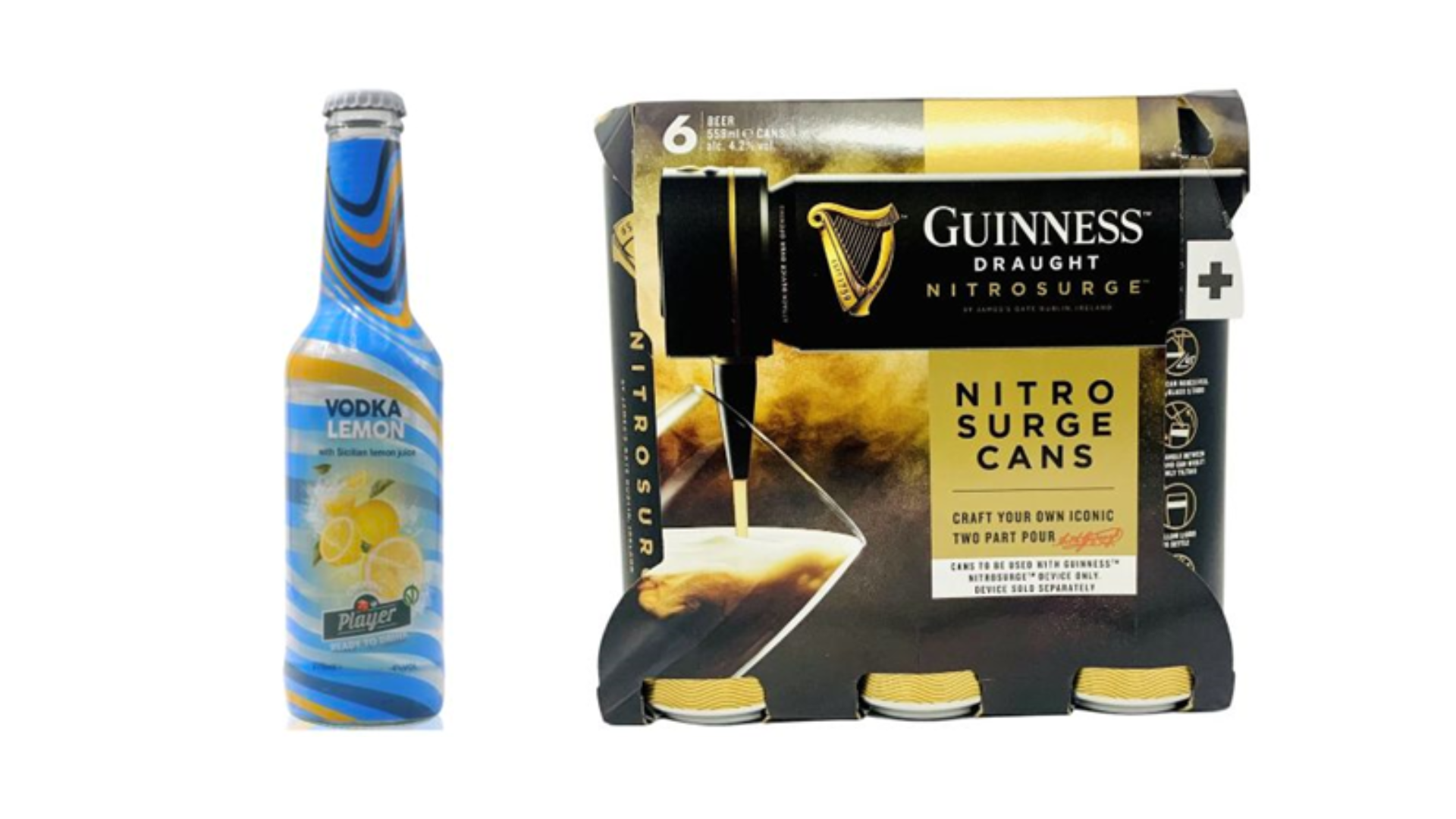
This trend is reflected in specific examples. In Italy, Player Vodka & Lemon with Sicilian Lemon Juice combines wheat vodka and natural lemon juice from Sicily to achieve a refreshing, balanced sweet-sour profile. This low-alcohol drink (4% ABV) is ready to drink and responds to demand for intense but natural flavours. Meanwhile, Guinness has developed the Nitrosurge device, which lets people enjoy the smooth, creamy texture of its classic Draught Stout at home, taking the product's sensory experience to a higher level.
5. Conclusions and opportunities for Catalan companies
The three vectors identified in this Mintel insight -functionality, sustainability and sensory innovation - are strategic levers Catalan companies can pull to improve their positioning in markets such as Europe and North America.
Some key actions to consider are:
- Exploring the 0% ABV drinks segment, which offers a growth avenue aligned with demand for healthy products and a broader range of drinking occasions.
- Adding functional ingredients to meet specific needs such as relaxation, hydration or energy.
- Clearly communicating the positive environmental impact of the product, highlighting traceability, water efficiency or the use of regenerative practices, especially in categories such as wine or craft beer.
- Investing in sensory innovation that improves the consumer experience in taste, texture and presentation, to generate added value and social media appeal.
This approach can help Catalan companies strengthen their value proposition, adapt to new purchase motivations and gain share in a highly competitive global context.
This article is based on the MINTEL REPORT "Trending in Alcoholic Drinks" prepared by the consultant Martin Pasco.