11.29.24
More than 600 Catalan hospitality students take part in the Guided Tasting of Catalan Extra Virgin Olive Oil
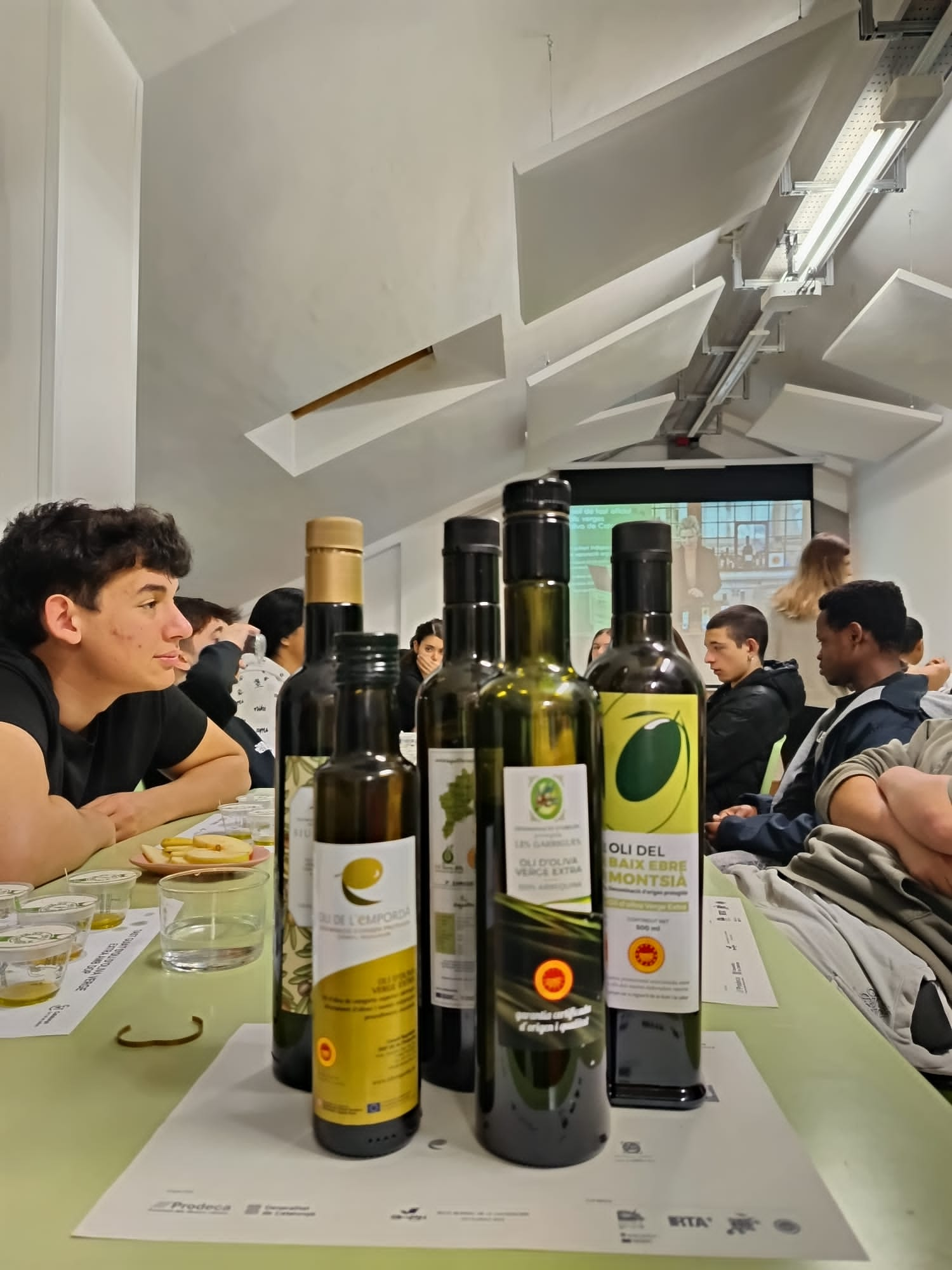
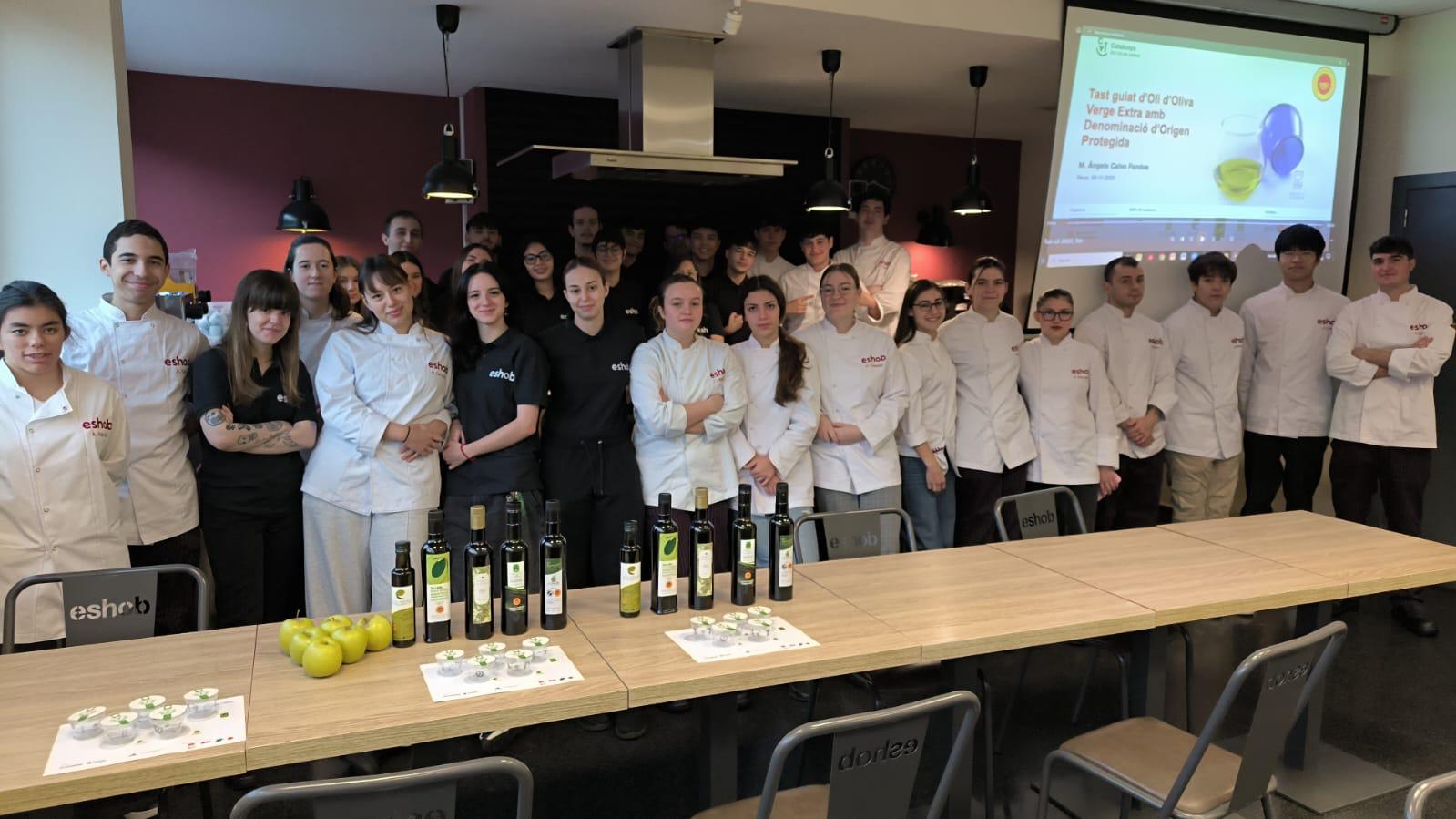
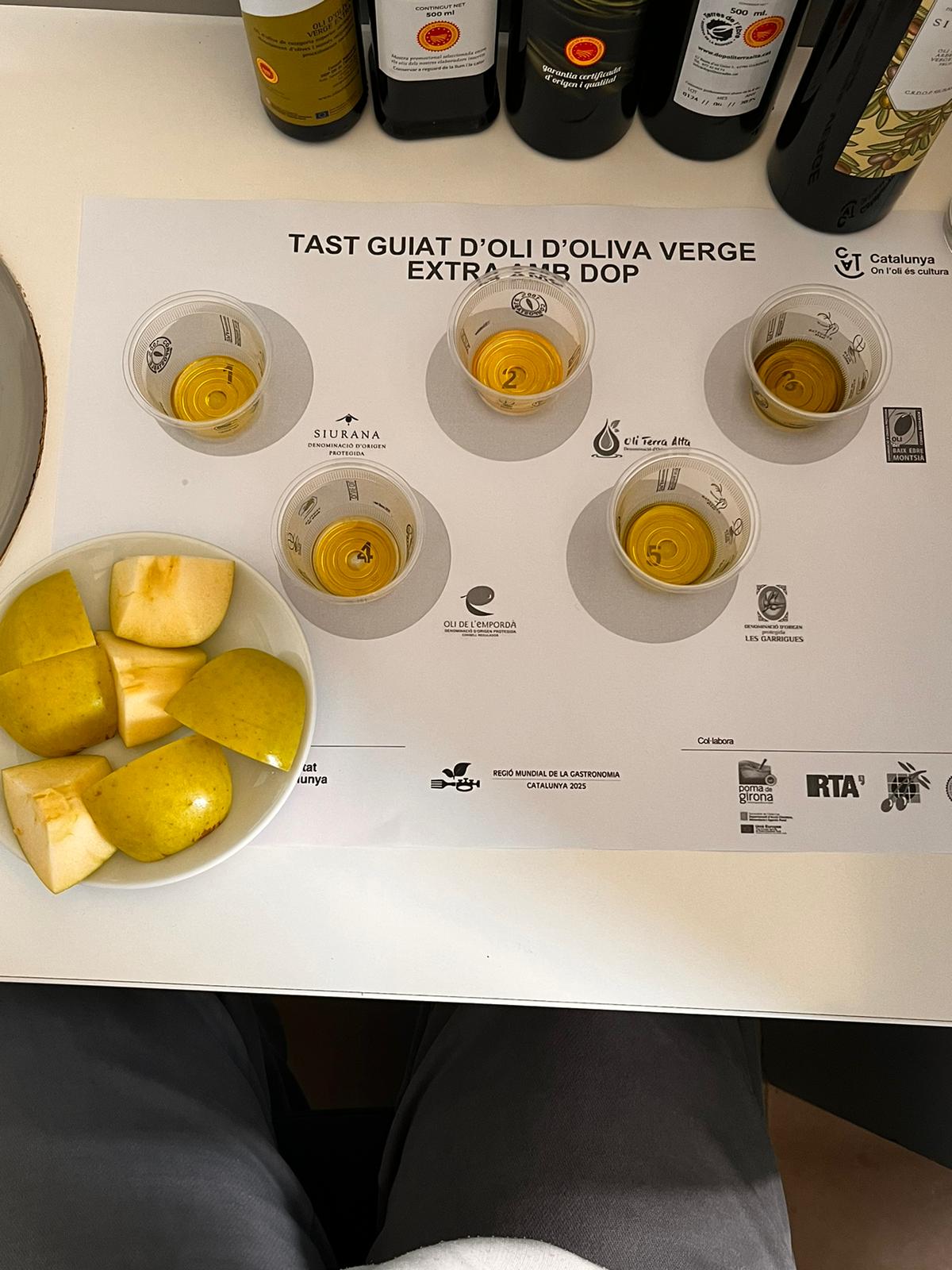
To mark World Olive Tree Day, Prodeca organised the 4th Guided Tasting of Catalan Extra Virgin Olive Oil (EVOO) in collaboration with the five Protected Designations of Origin (PDO) of Catalan oils: Terra Alta, Baix Ebre-Montsià, Empordà, Siurana and Les Garrigues. The initiative aims to promote the virtues of PDO Catalan oils among the future food advocates training at Catalonia's hospitality schools to become maîtres, chefs or sommeliers.
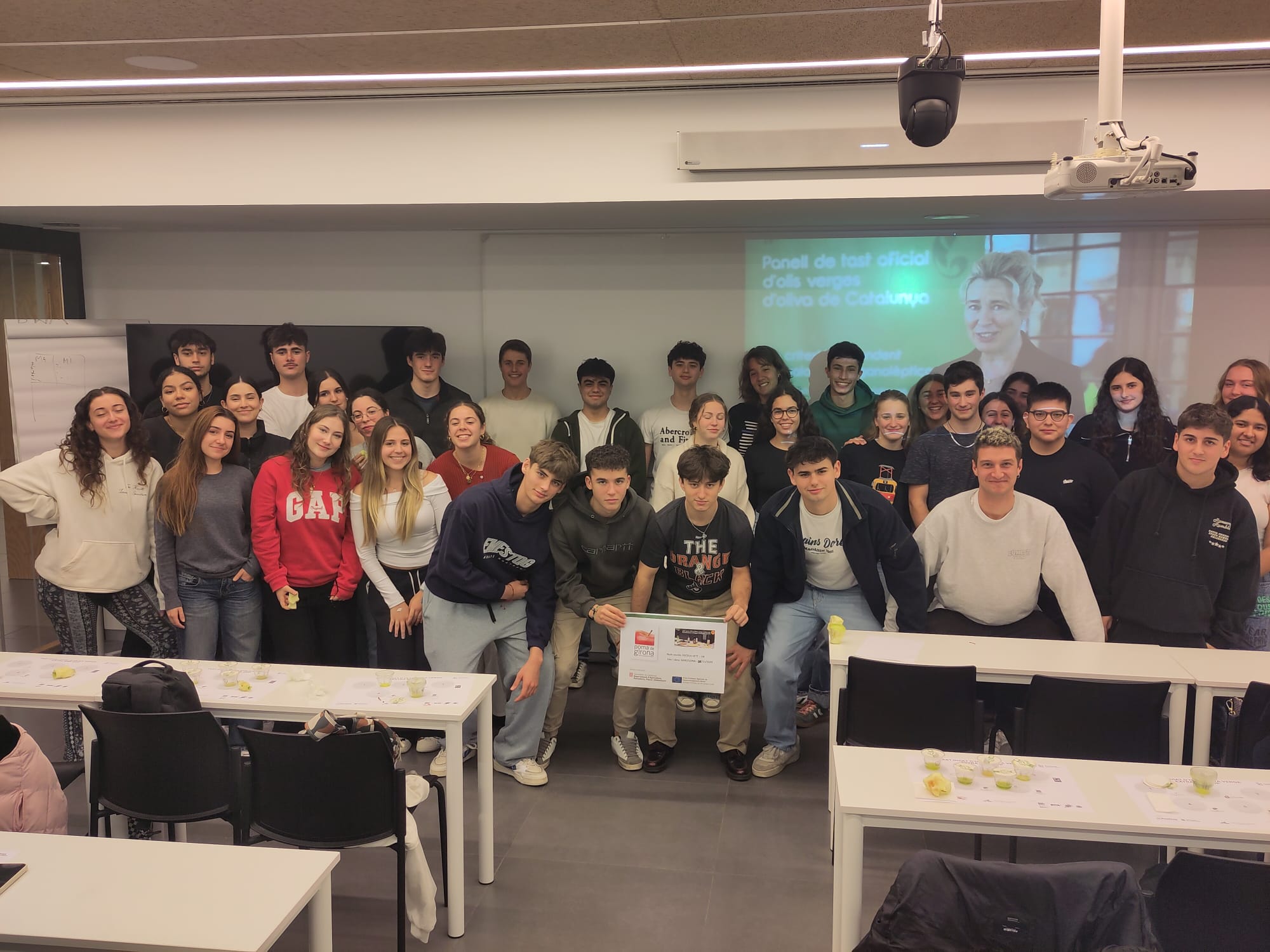
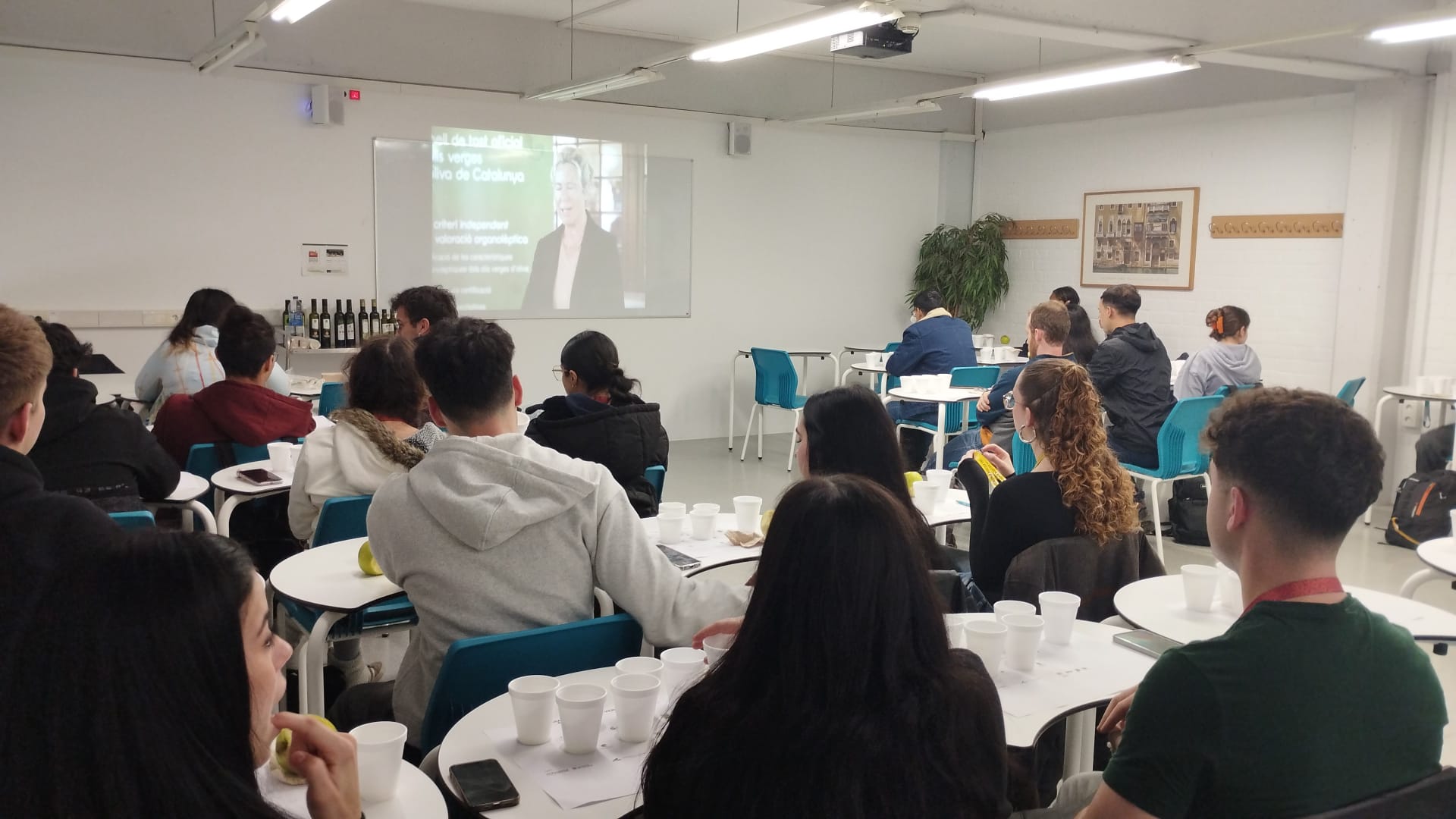
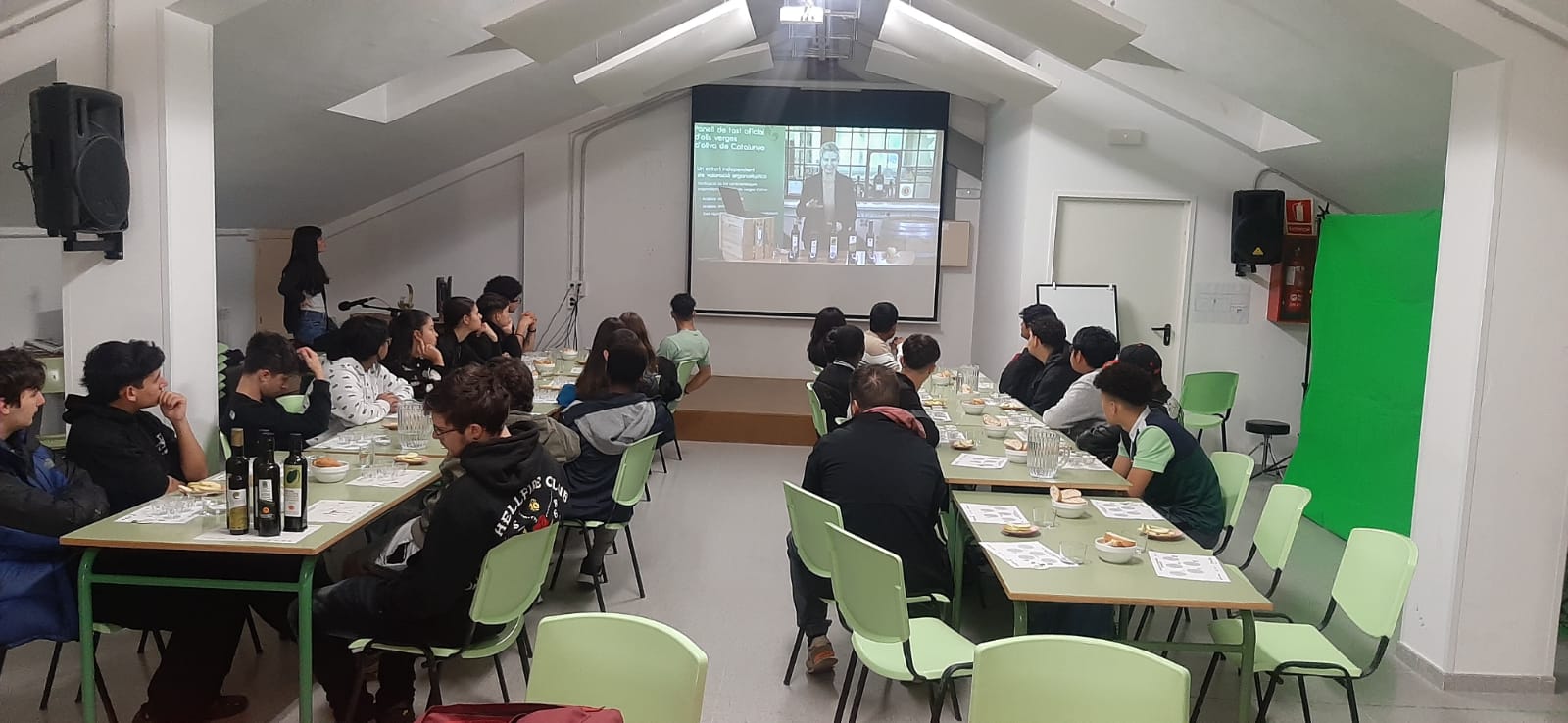
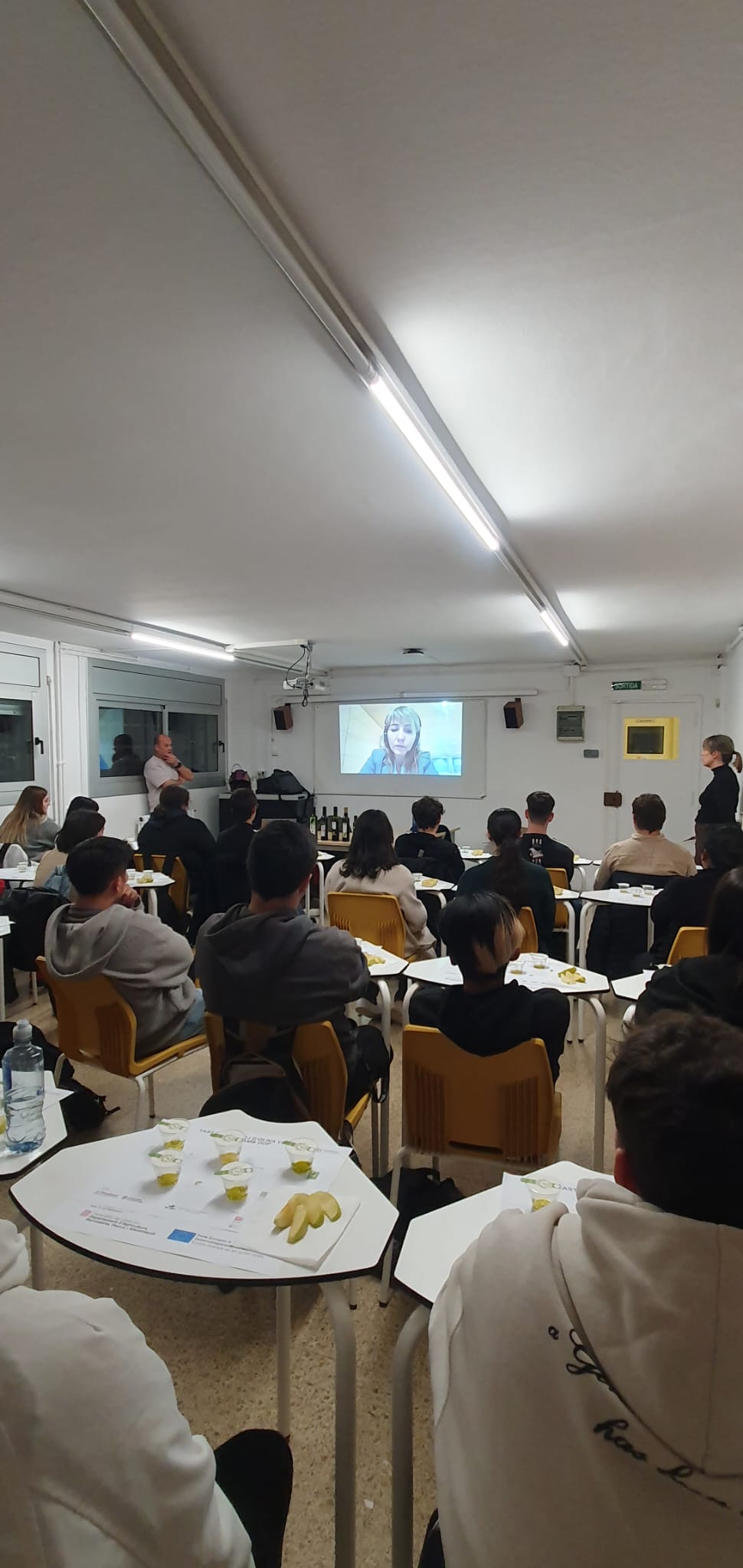
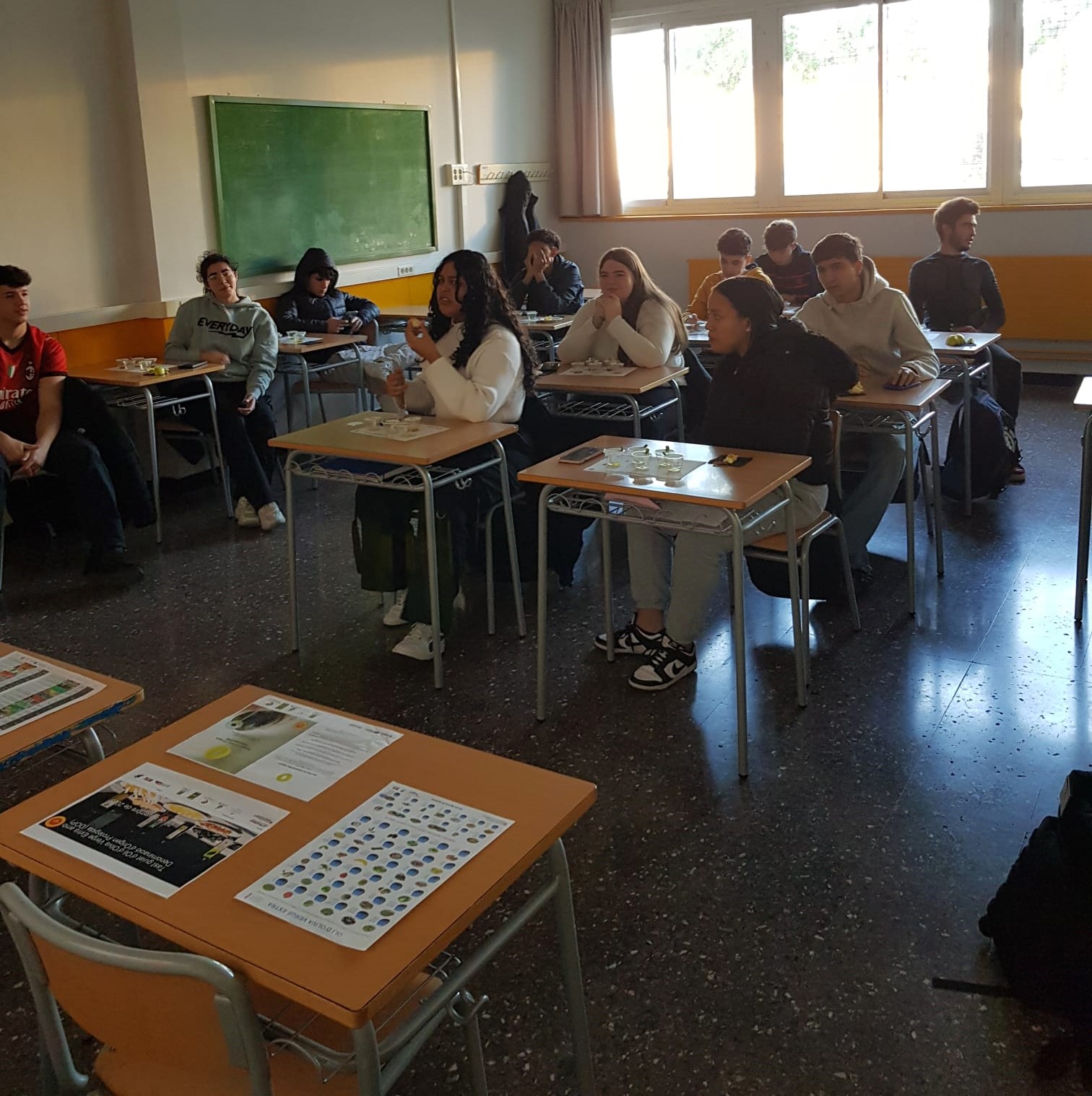
The activity involved more than 600 students from 16 hospitality schools. This edition introduced a notable change: splitting the activity into two separate days to enrich the learning experience — a guided tasting and a seminar on culinary uses.
Guided tasting in Catalonia's hospitality schools
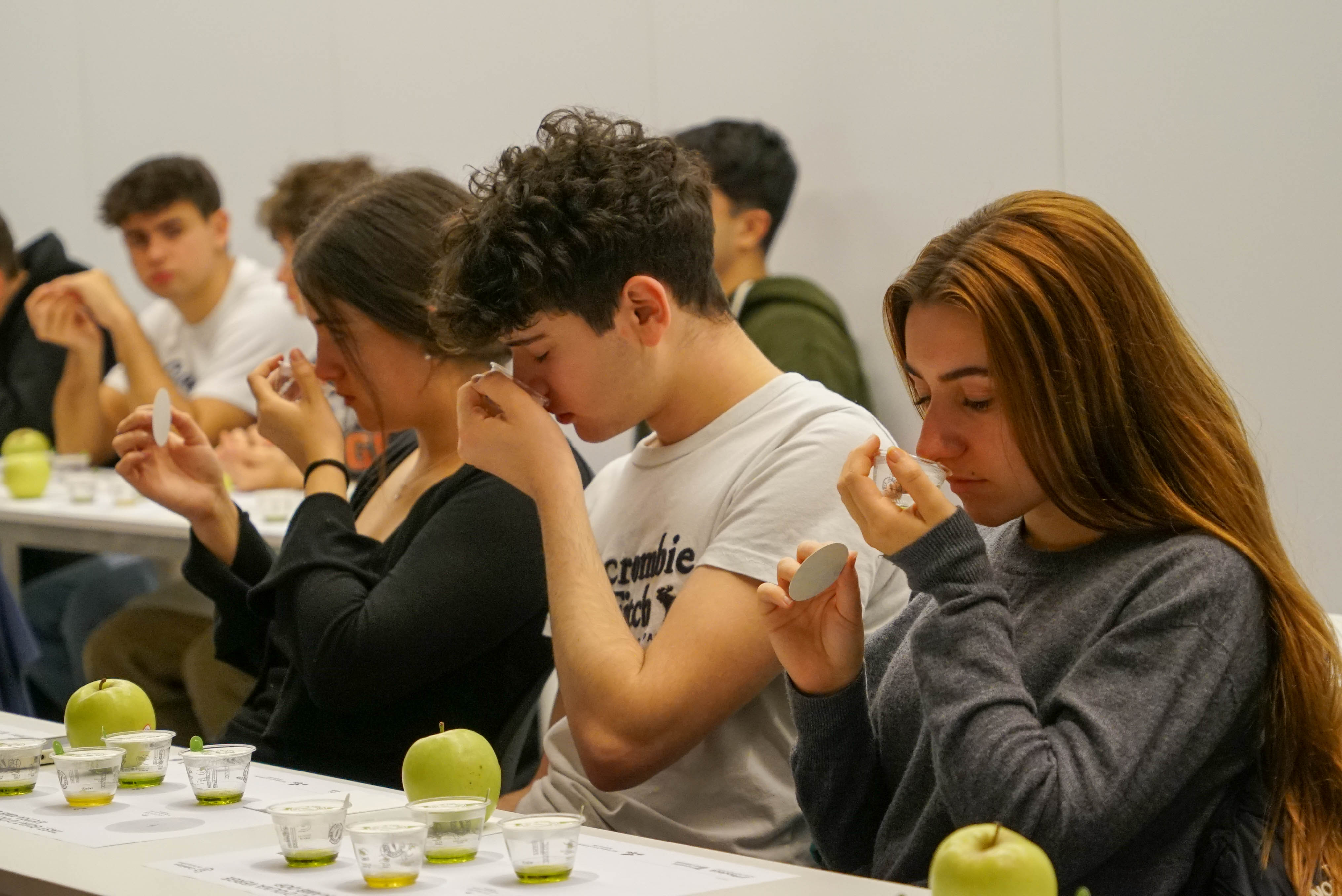
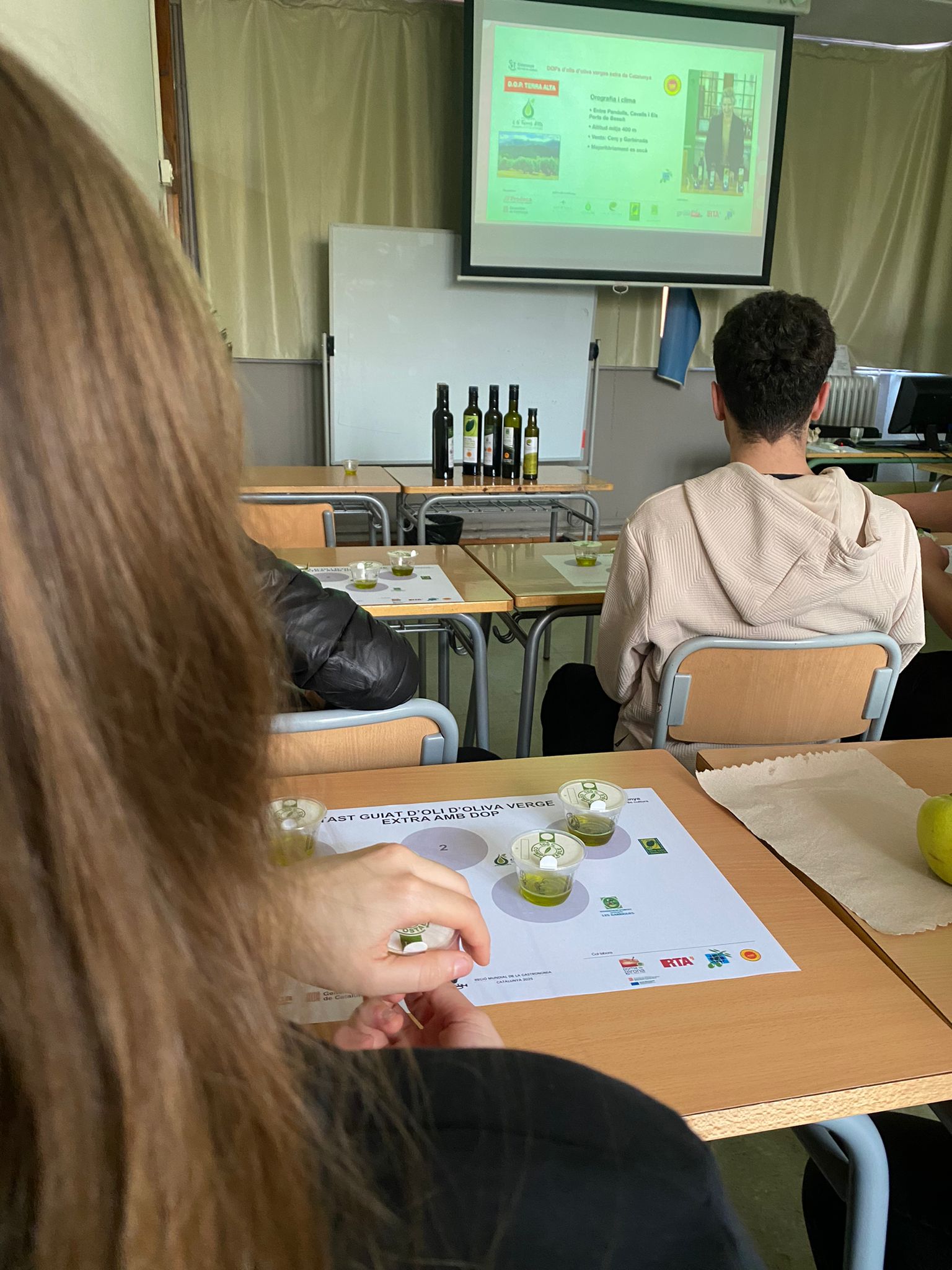
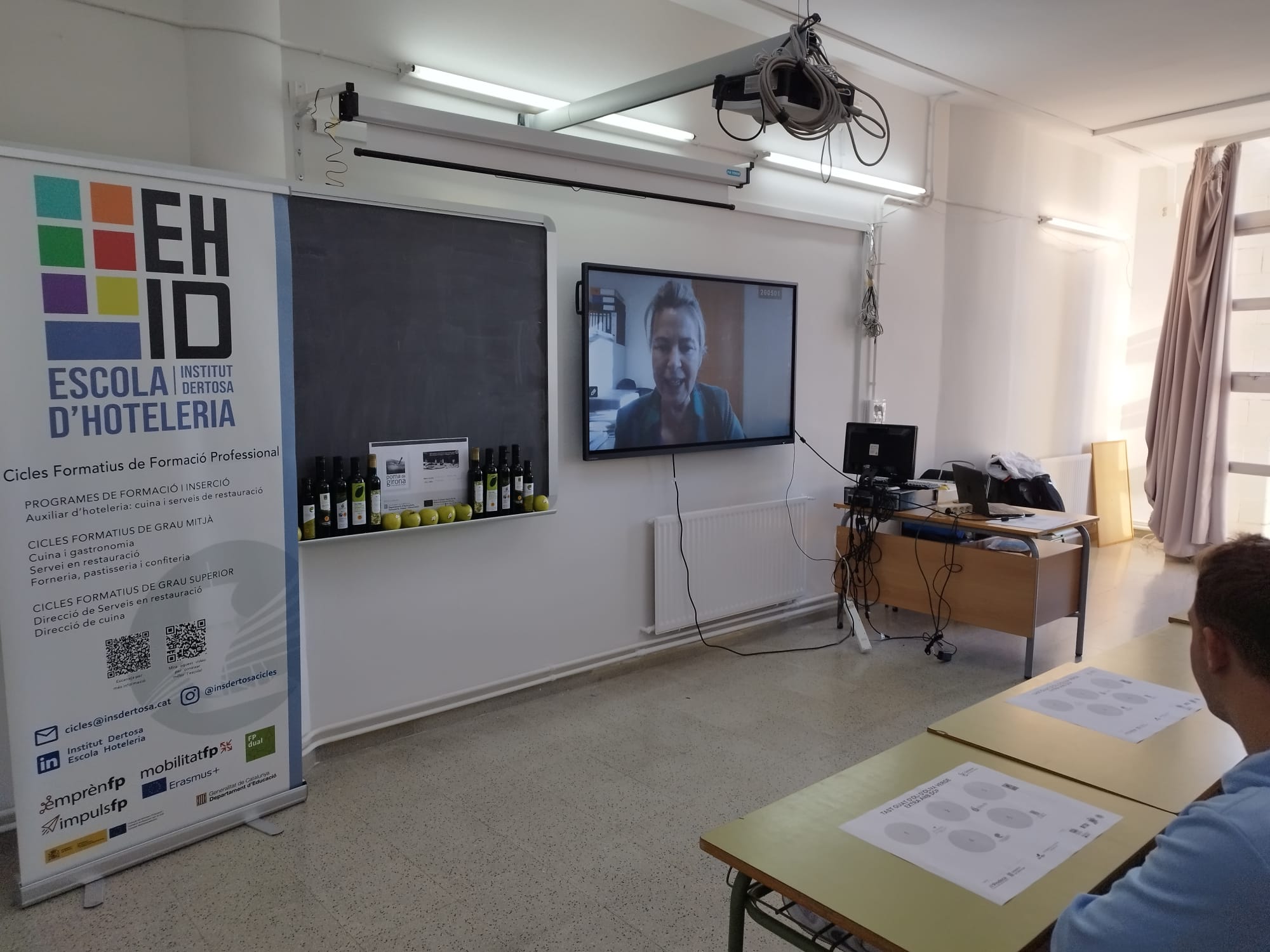
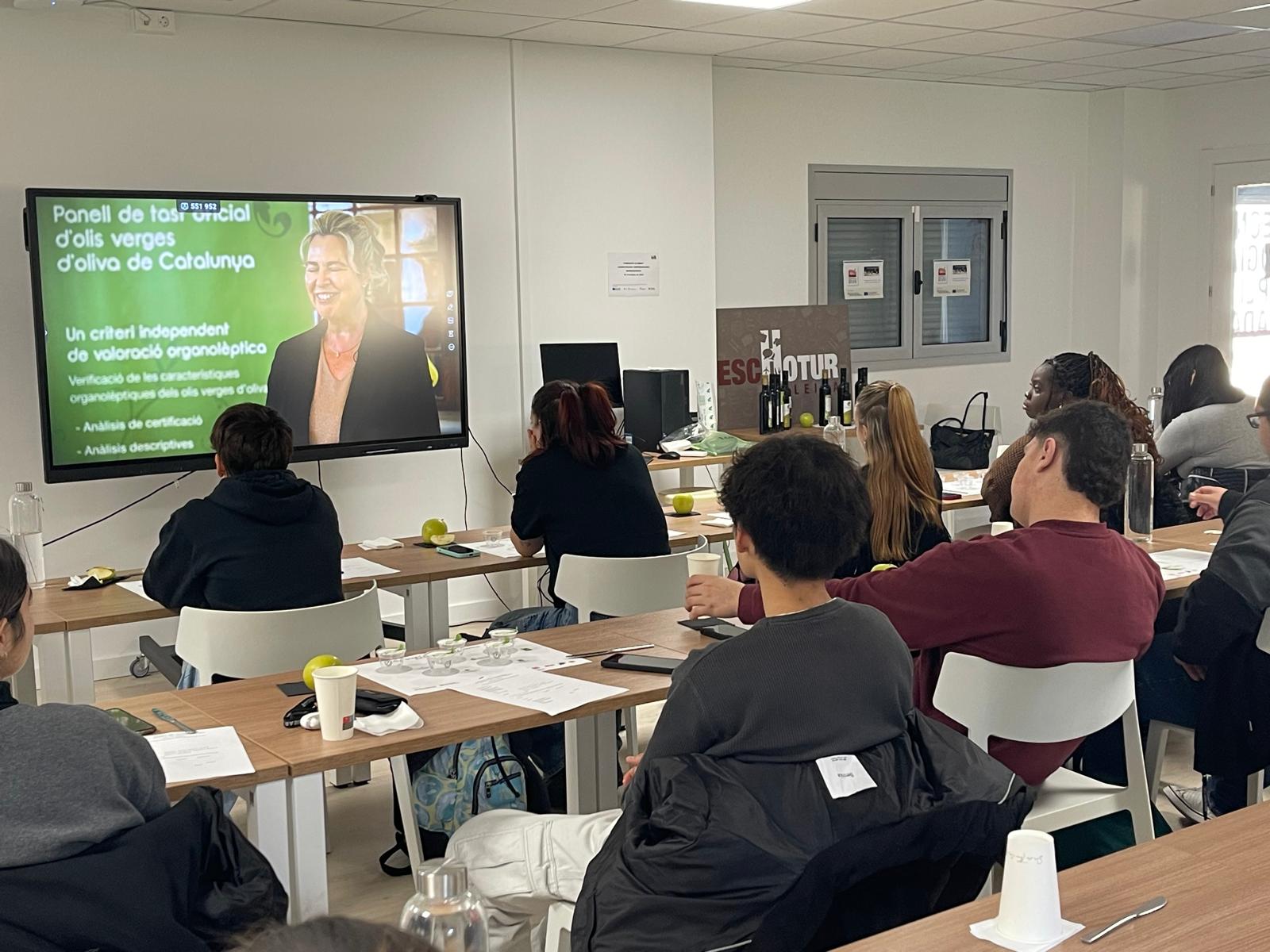
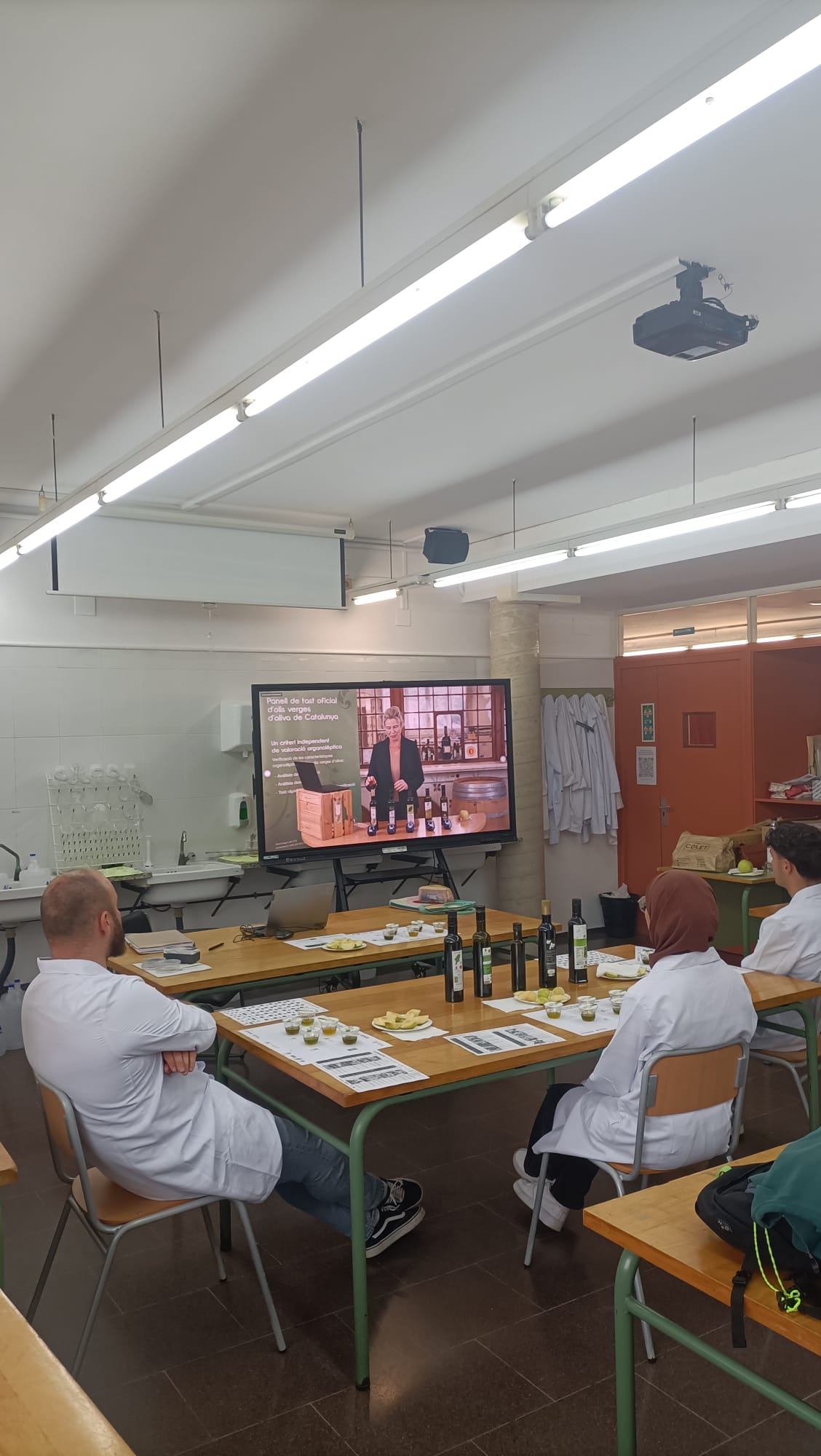
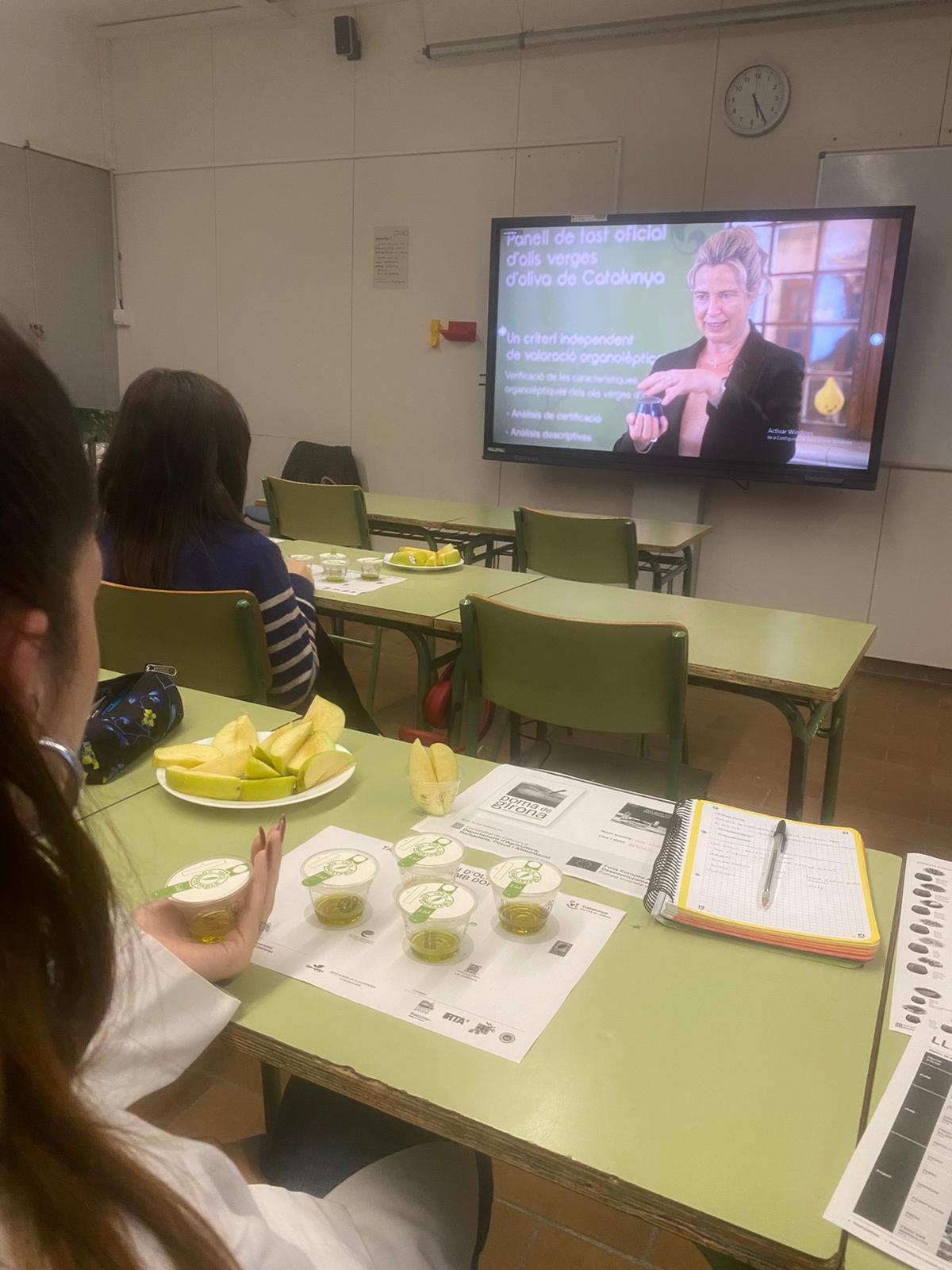
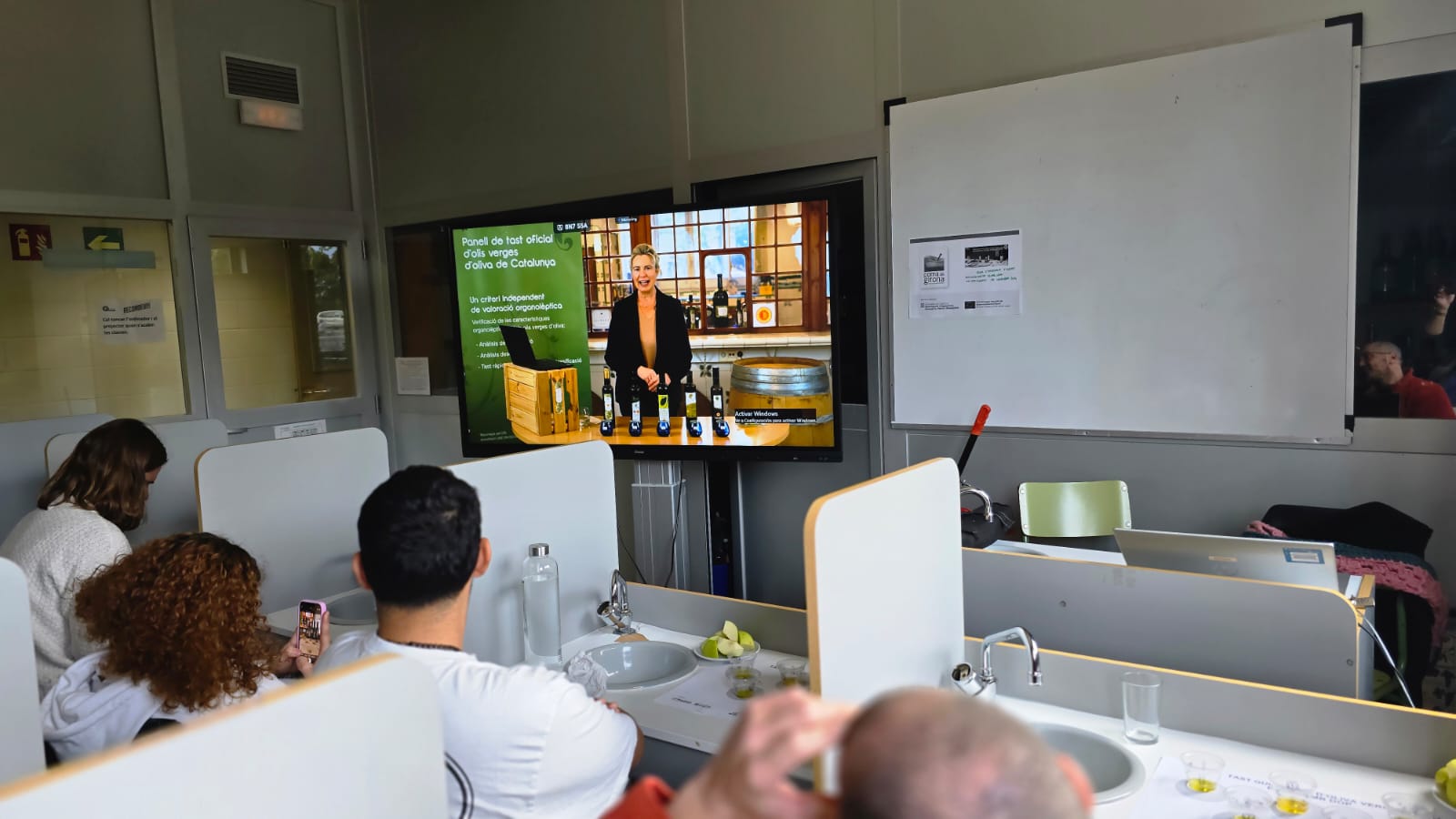
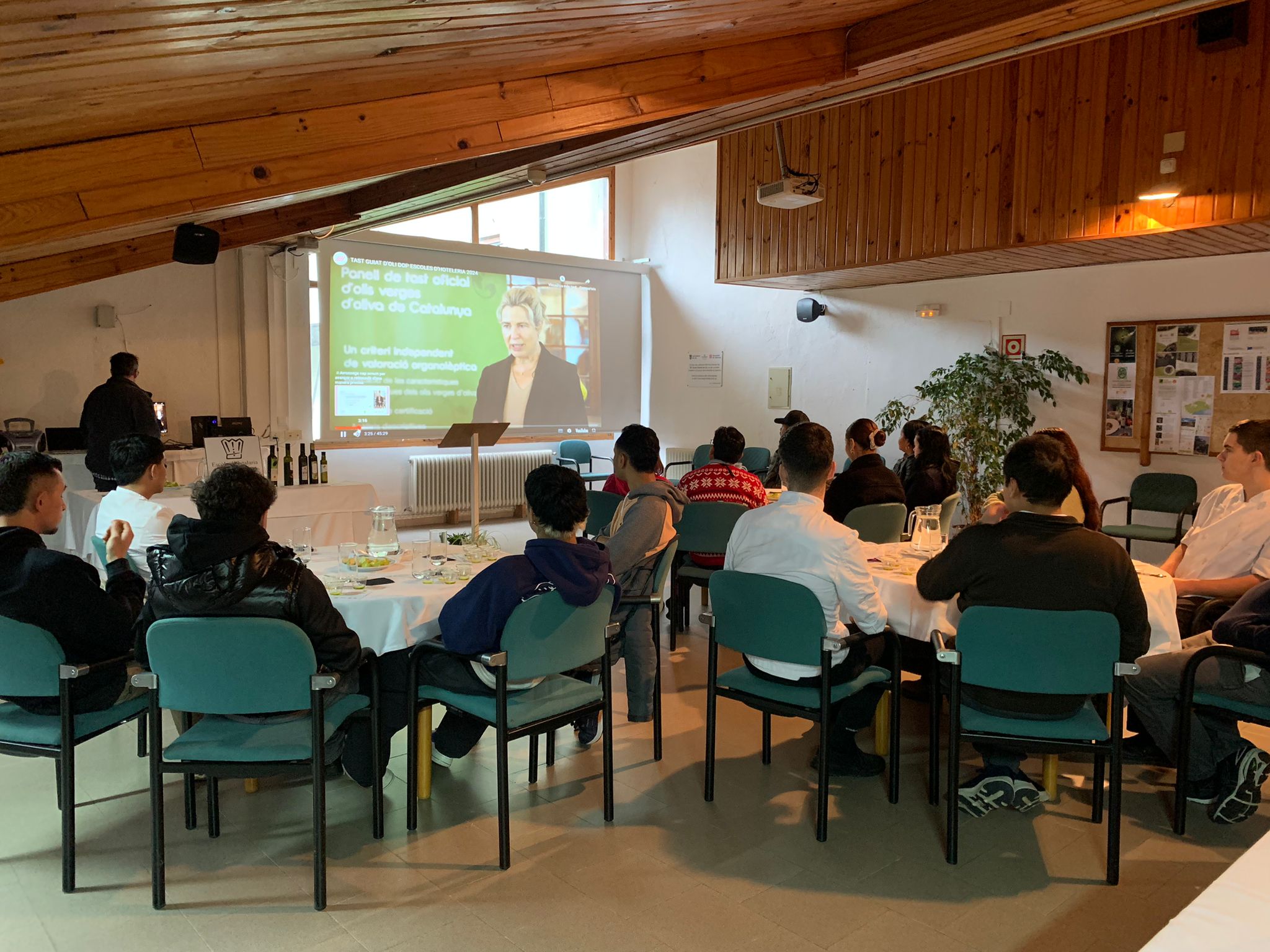
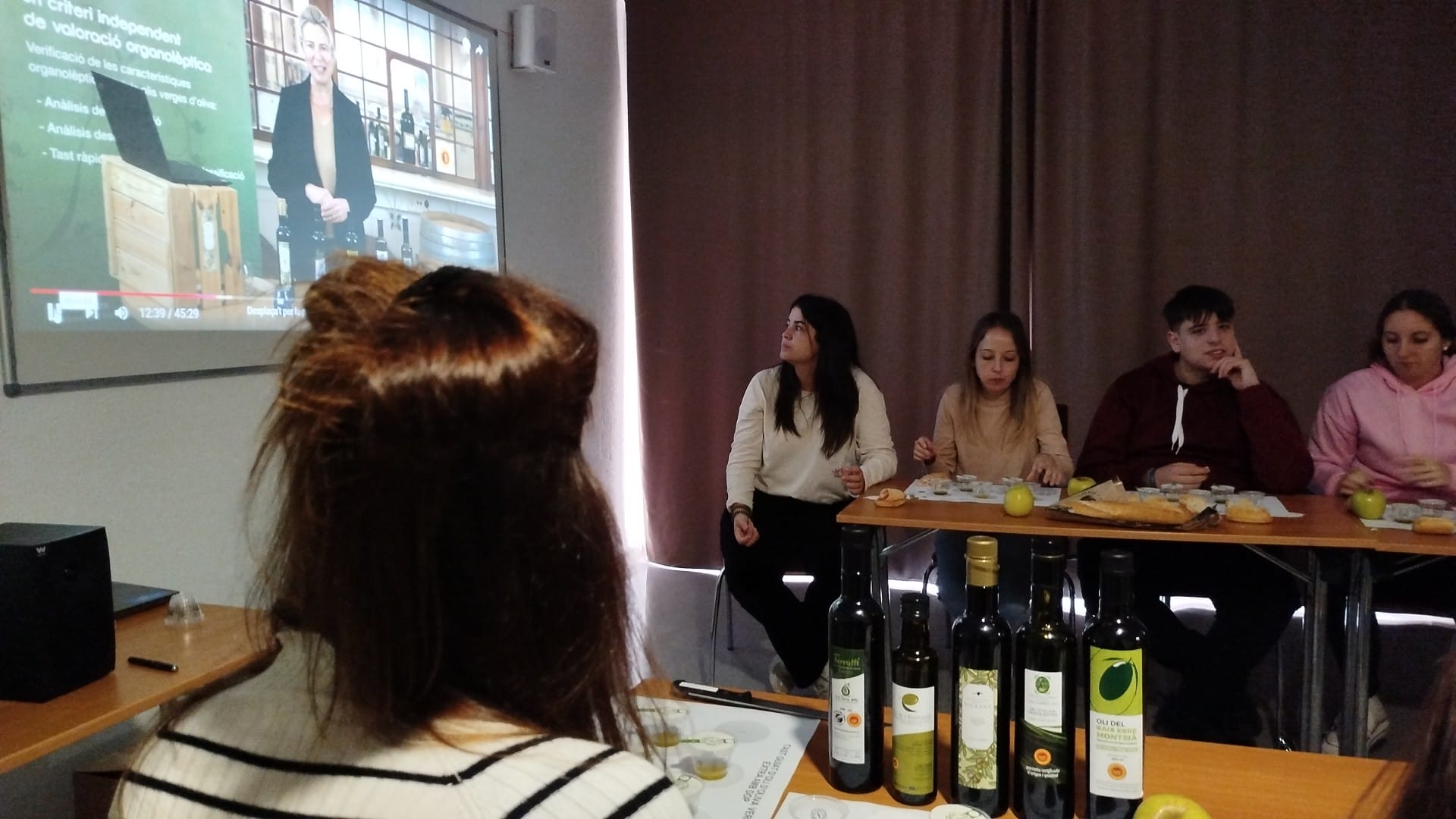
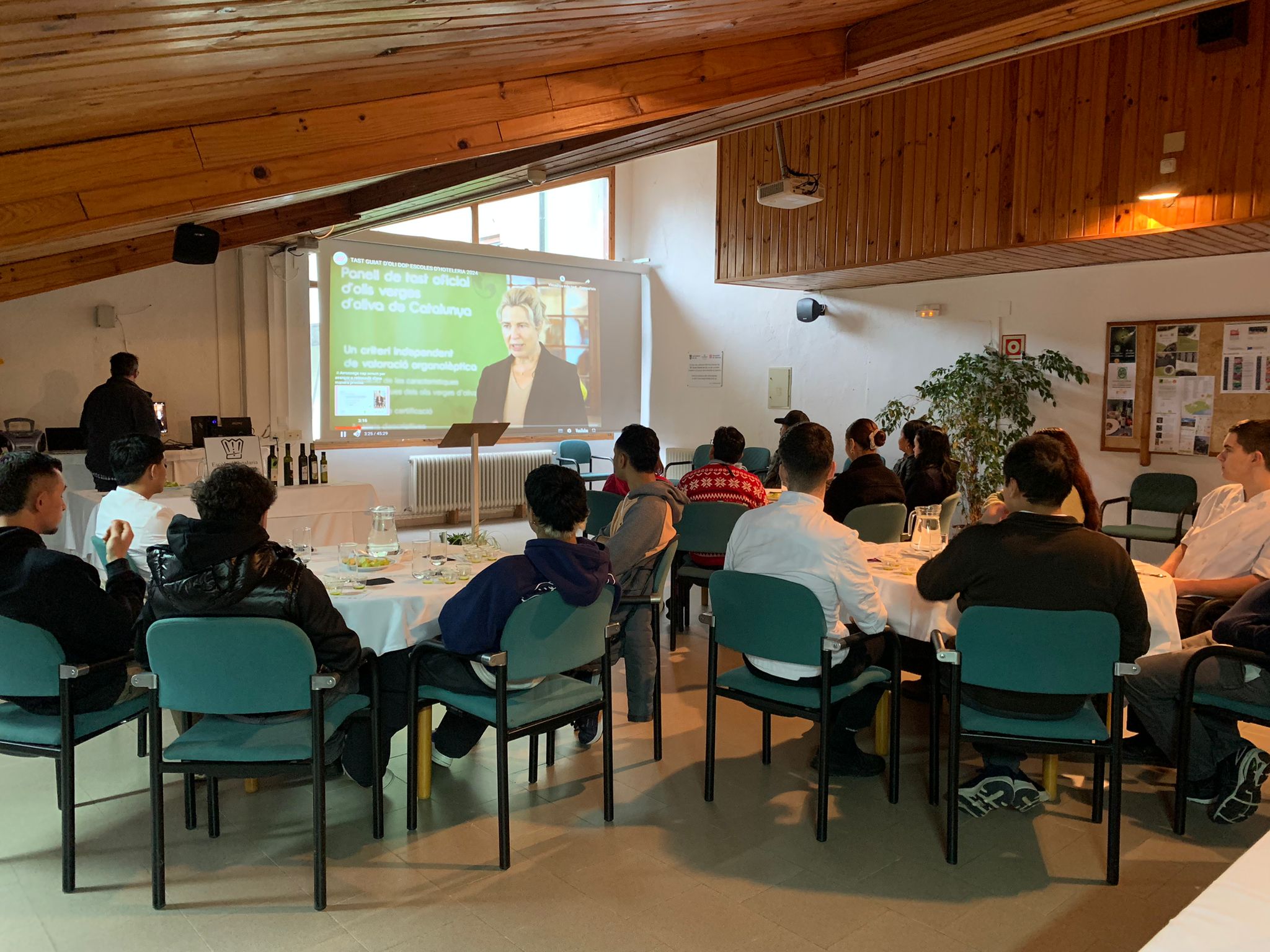
Between 21 and 26 November, the schools held guided tastings independently, following a video tutorial created withÀngels Calvo, head of the Official Tasting Panel for Catalan EVOO.
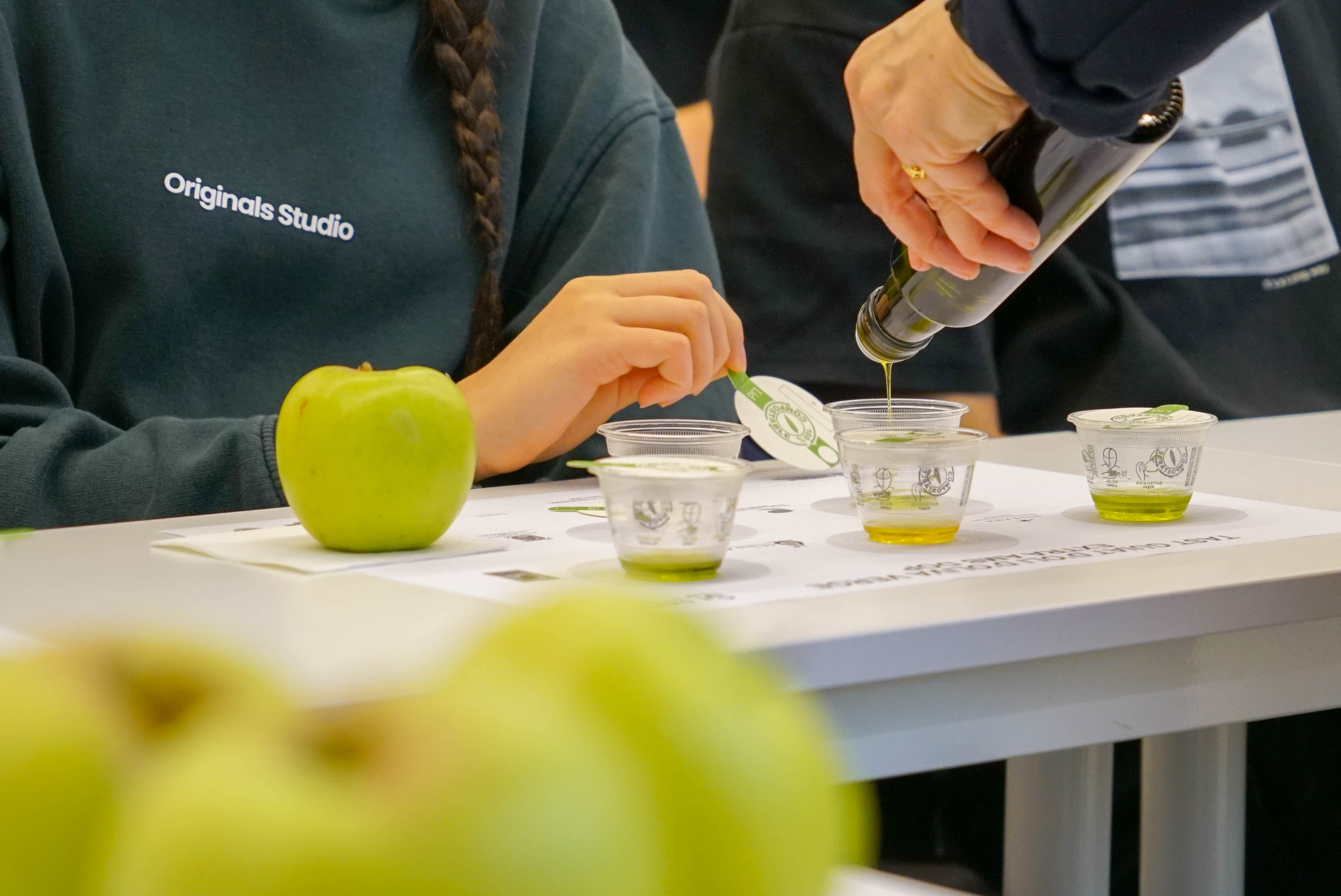
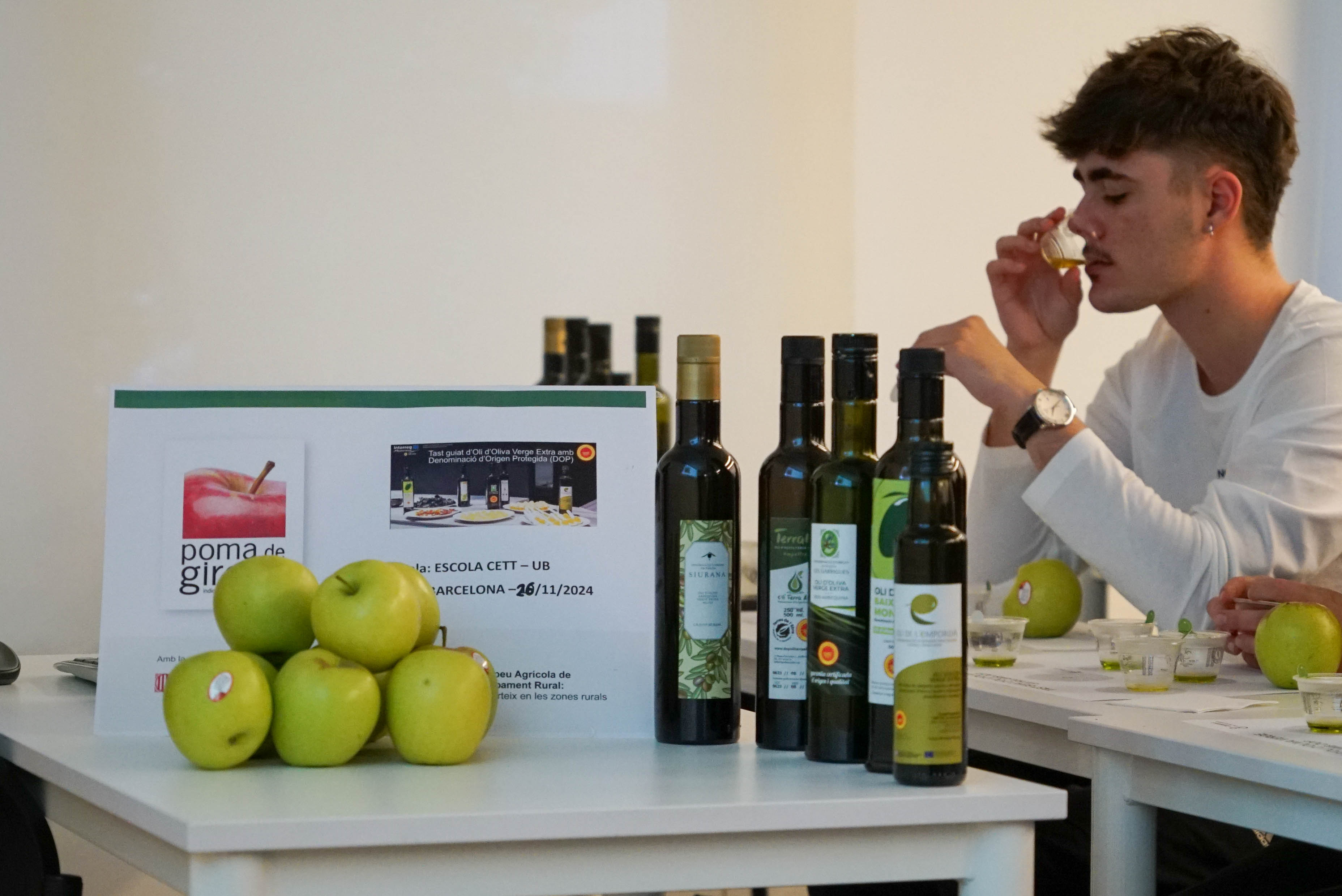
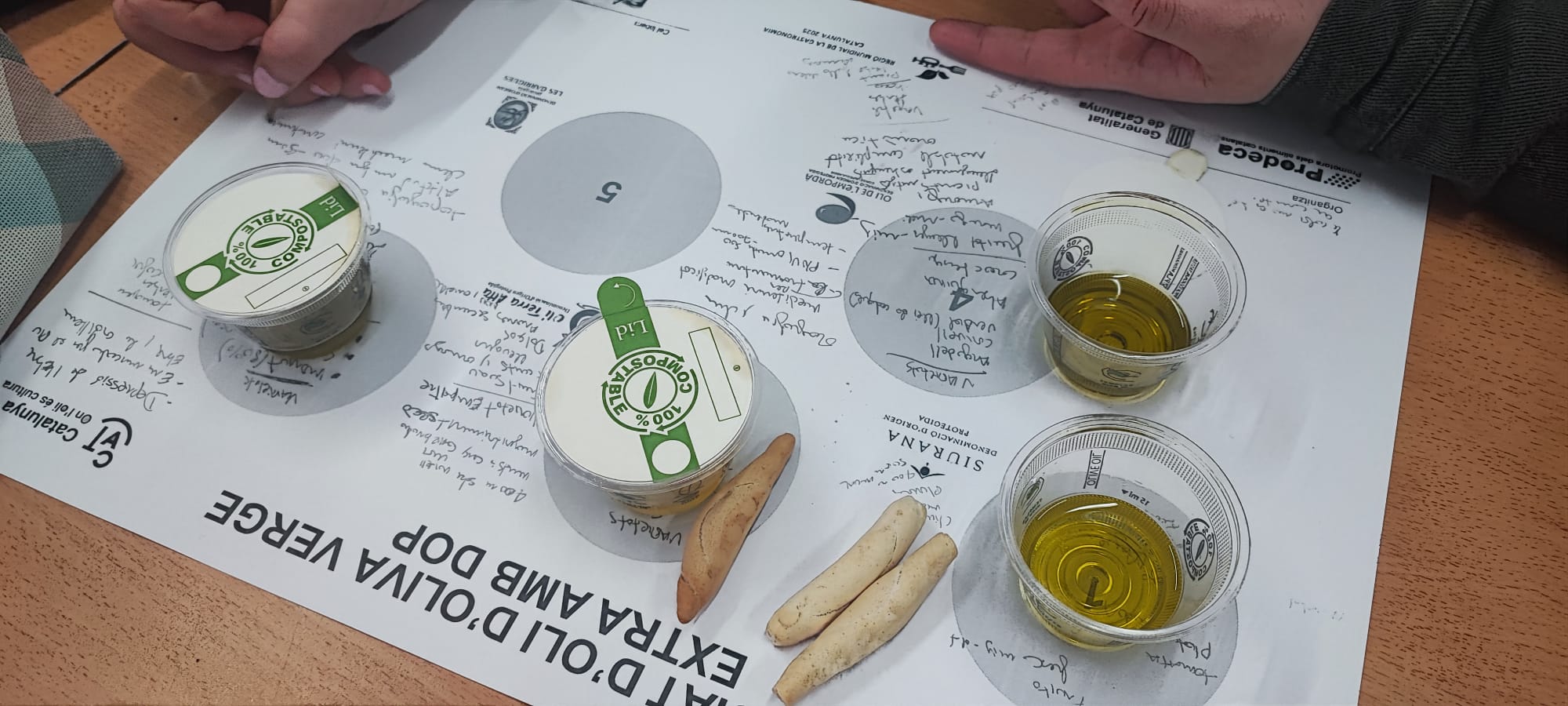
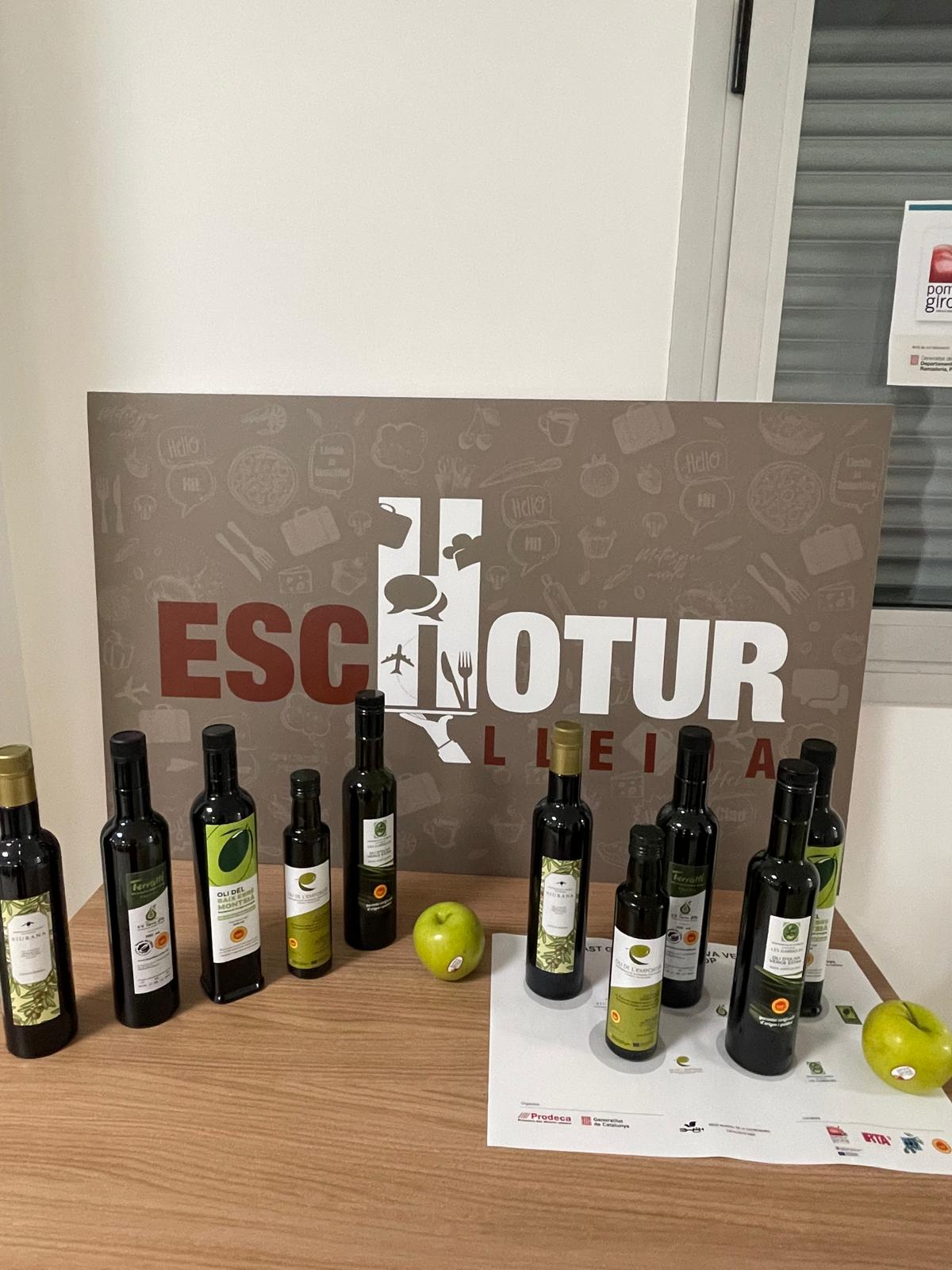
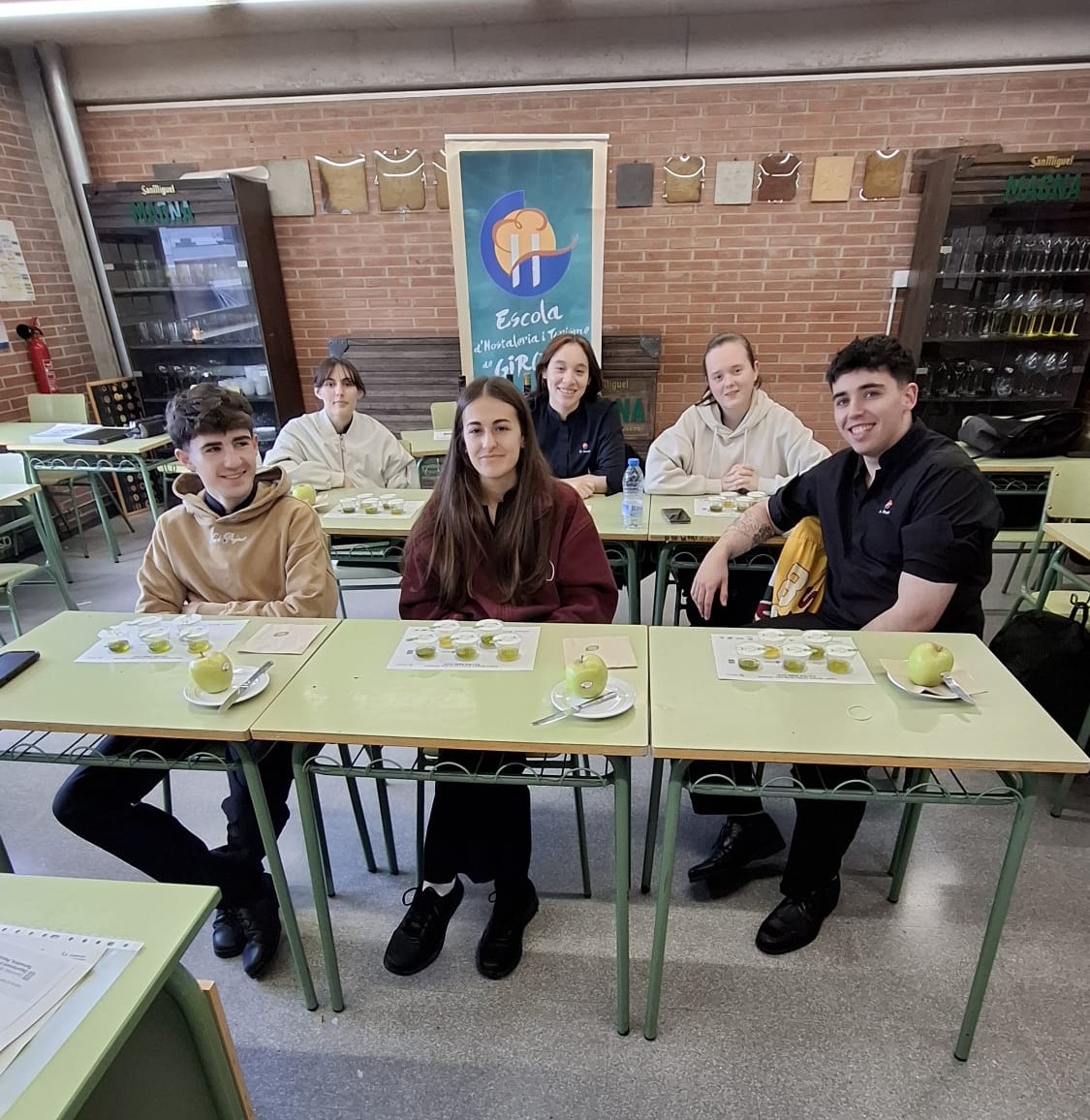
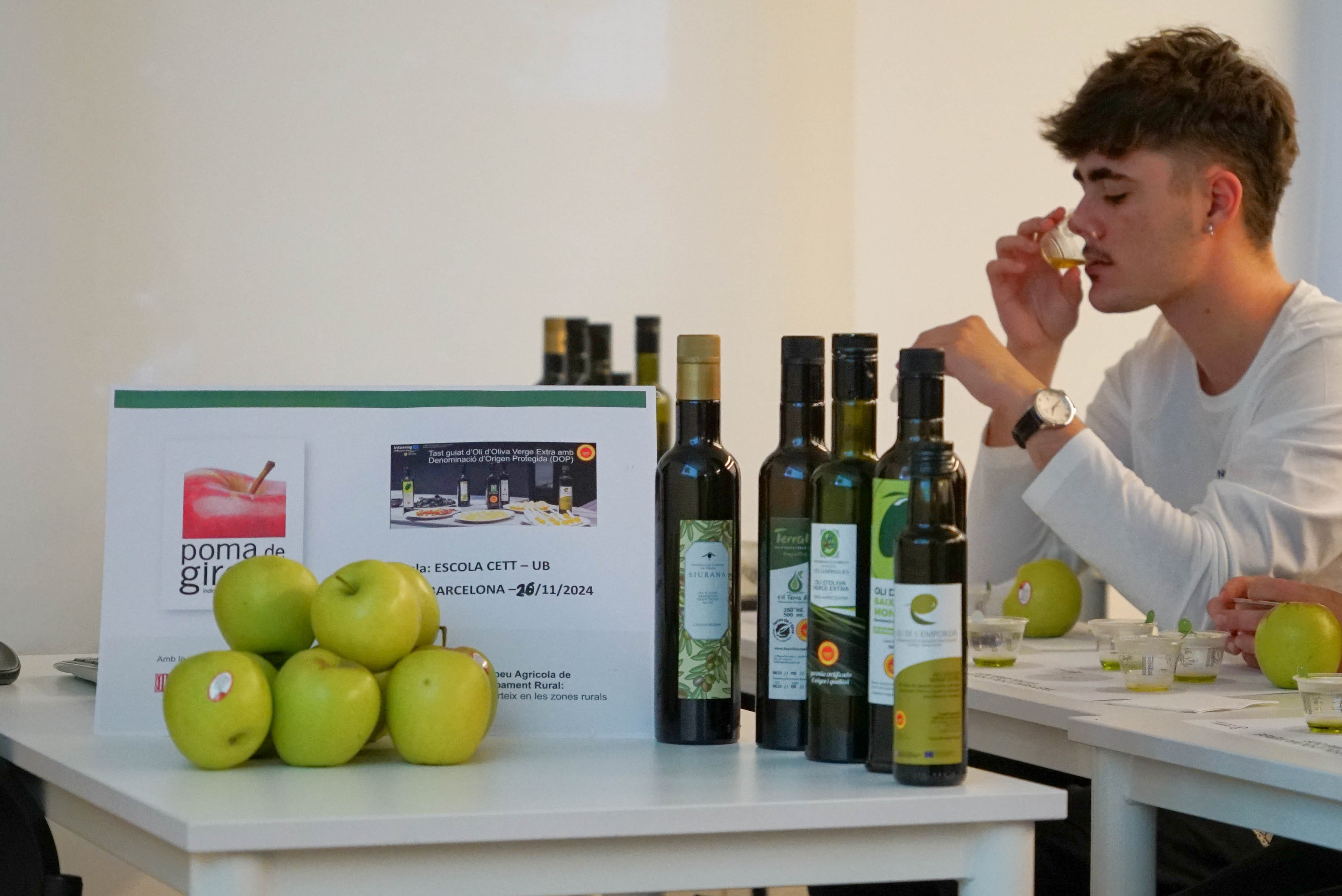
Prodeca coordinated sending the oils to the schools and, to round out the tasting experience, also sent apples certified with the PGI Poma de Girona, plus single-use biodegradable cups. Teachers were also provided with the support materials needed to run the tasting, including information leaflets on EVOO, the five Catalan PDOs and a table mat with numbered circles.
Students explored the positive attributes and defects of extra virgin olive oils, delving into the sector's specific vocabulary. The schools also shared their experience on social media with hashtags such as #OOVE and mentions of those involved, helping spread the word about the richness of Catalan oils.
Seminar on culinary uses of EVOO
The second day, on 27 November, focused on the culinary uses of extra virgin olive oils. Gastronome Pep Nogué, gastronomic director of the Culinary Institute of Barcelona (CIB), presented a live seminar preparing five traditional dishes creatively reinterpreted, each linked to a Catalan oil PDO. Students could take part actively by putting questions to the speakers, Pep Nogué and Àngels Calvo.
The dishes prepared, illustrating the versatility of Catalan oils in the kitchen, were sardine escabeche with pomegranate emulsion and Empordà EVOO (PDO Empordà), salt cod with romesco and EVOO emulsion (PDO Siurana), an omelette in capipota juice with picada oil (PDO Terra Alta), orelletes with melon and EVOO snow (PDO Les Garrigues) and Tortosa pastissets with chocolate cream and EVOO (PDO Baix Ebre-Montsià).
The Guided Tasting of Catalan EVOO is an initiative run by Prodeca and the Department of Agriculture, Fisheries and Food of the Government of Catalonia, in collaboration with the 5 Catalan PDOs and the Official Tasting Panel for Catalan Virgin Olive Oils.
The The 16 hospitality schools taking part were:
- Institut Abat Oliba de Ripoll
- Institut Baix Empordà
- Institut Escola d'Hoteleria i Turisme de Cambrils
- Institut Joan Ramon Benaprès
- Institut Dertosa
- Institut Martí Dot
- Institut Oliver Gran de Figueres
- Escola d'Hoteleria i Turisme del Vallès (EHTV)
- Escola Superior d'Hostaleria de Barcelona (ESHOB)
- Escola d'Hoteleria del Pallars
- INS Escola d'Hoteleria i Turisme de Barcelona (EHTB)
- Institut Ramon Coll i Rodés
- Institut d'Ostalaria de Les-Val d'Aran
- Institut d'Hoteleria i Turisme de Lleida
- Institut Escola d'Hostaleria i Turisme de Girona
- CETT
Olive oil, part of Catalonia's culinary heritage
Catalonia produces high-quality olive oil protected by several designations of origin: Les Garrigues, Siurana, Baix Ebre-Montsià, Terra Alta and Empordà.
These olive oils stand out for their flavour, aroma and low acidity, guaranteed by a first-rate fruit, the olive, and by mechanical production techniques that preserve all the healthy and flavour characteristics of this food.
Through research and experimentation, the selection of the best olive trees, of excellent quality, has been achieved. Extra virgin olive oil belongs to the top category. It is an oil with exceptional characteristics, both for health and for gastronomy, and is considered a fundamental product of a healthy, flavourful diet.
Industry
Catalonia has 108,000 hectares of land devoted to olive trees, 14% of the cultivated area, providing the raw material, the olive, for one of the industries with the greatest potential: the processing, bottling and marketing of olive oil, with almost 8% of the turnover of Catalonia's agri-food industry.
The most widespread olive variety for oil production is the arbequina, one of the most prized in international markets. Companies also market oils and blends from other varieties such as empeltre, morruda, sevillenca, farga, argudell, corivell and verdal. All olive varieties produce excellent virgin oils, each with its own flavour and aroma characteristics.
Exports
The vegetable oils sector is the fifth-largest exporter in Catalan agri-food, totalling €1,287.15M exported. Olive oil accounts for close to 50% of this sector's business value (€607.02M) and has increased its exports in value but fallen by around 25% in volume, making it one of the lowest export volumes in recent years. This is due to lower product availability and high prices at origin, although overseas sales have been an important pillar for the sector.
Catalonia exports olive oil to 118 markets worldwide. The European Union (with close to 40% share) is the main market, followed by Latin America (17%) and Asia (16%). By country, Italy, the USA, the United Kingdom, Brazil and France stand out.
Source: Prodeca

11.29.23
Catalonia's future culinary opinion leaders taste extra virgin olive oils
Almost 500 students from 16 Catalan hospitality and catering schools took part in the 3rd guided extra virgin olive oil tasting organised by Prodeca for World Olive Tree Day. The session featured all five Catalan PDOs.
12.18.20
Successful participation in the first Virtual Guided Tasting of Extra Virgin Olive Oil with Catalan DOP
Commemorating World Olive Day, last December 27 Prodeca organized the first virtual Guided Tasting of Extra Virgin Olive Oil with the collaboration of the five Catalan Protected Designations of Origin.

11.25.19
Extra Virgin Olive Oil (EVOO): a gastronomic fact, an export opportunity
On Wednesday 20 November, as part of the Gastronomic Forum and with the support of the International Olive Council, Prodeca hosted a panel discussion on extra virgin olive oil (EVOO) with a number of stakeholders.