


DO Tarragona
DO Tarragona Regulatory Council
Address: C/ de la Cort 41. Baixos.
43800 Valls
Telephone: 977 217931
E-mail: info@dotarragona.cat
Website: www.dotarragona.cat
It is considered to be the oldest DO in Catalonia, since although wine-making almost certainly began in Empúries earlier, Latin authors such as Silius Italicus, Martial and Pliny the Younger praised the wines of Tarraconensis in writing, making it the first prestigious local brand known worldwide.
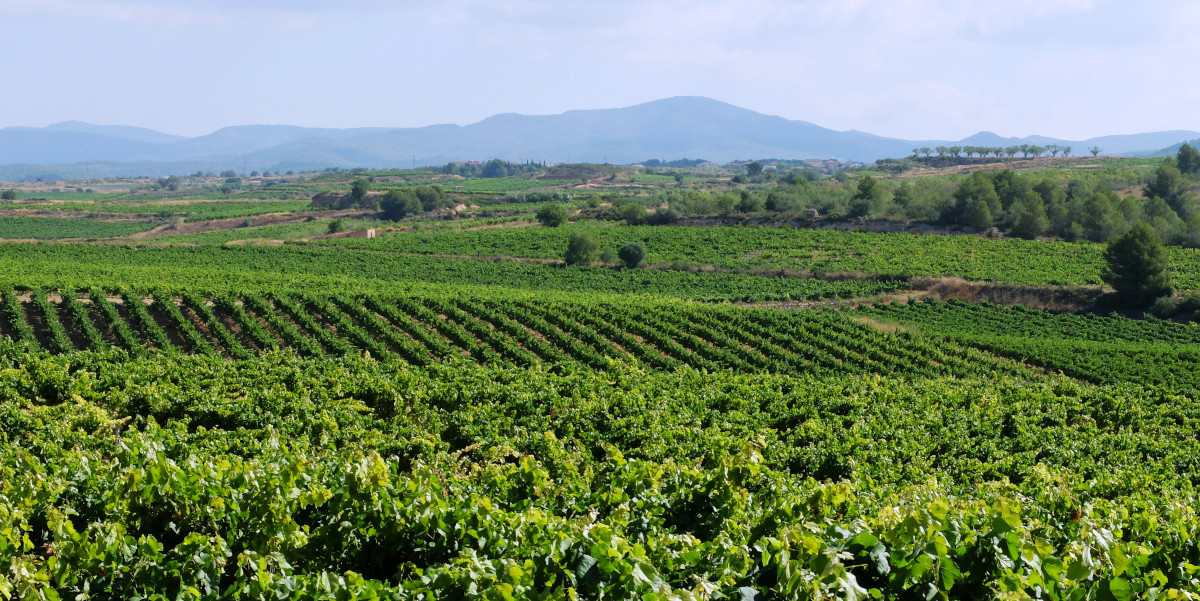
The DO Tarragona region comprises Camp de Tarragona and much of the Ribera d’Ebre. The planted surface area of white varieties accounts for 83% of the total planted area. The production area of the DO Tarragona stretches from the River Ebro to the Mediterranean Sea, comprising two clearly distinct areas: the Camp de Tarragona area, with the counties of Alt Camp, Baix Camp and Tarragonès, and the Ribera d’Ebre area.
Camp de Tarragona is characterised by low mountains, gently undulating terrain and streams rising in the coastal mountains. The soil is mostly Miocene, chalky and light. The climate is essentially Mediterranean - temperate, with no extreme temperature changes and annual averages of 15ºC and 500 mm rainfall. The rainfall is erratic and the fields receive some 2,600 hours of sunshine annually.
The region of the Ribera d’Ebre has Tertiary, chalky and stony land, and Quaternary alluvium. The winters are cold and the summers hot and bright. Average annual rainfall stands at 385 mm.
Historical remains suggest that grapes were introduced to Tarragona when the Iberians who inhabited the region began cultivating vines and went from drinking beer to wine, copying the customs of the Greek colonies that had settled north of the Catalan coast. However, the Roman Empire was the real driving force behind wine-making in these counties, trading it from the port.
In the 12th century, the founding of the Cistercian Monastery of Santes Creus gave new impetus to local wine-making, which despite events such as the phylloxera plague in the early 20th century, has continued to the present day, supported also by the strong cooperative movement in the DO Tarragona that still now brings together most viticulturists that produce grapes in this DO.
Macabeu is the winner
This DO is characterised by the diversity of its wines, all of which have a clear Mediterranean influence, with whites prevailing over reds and rosés.
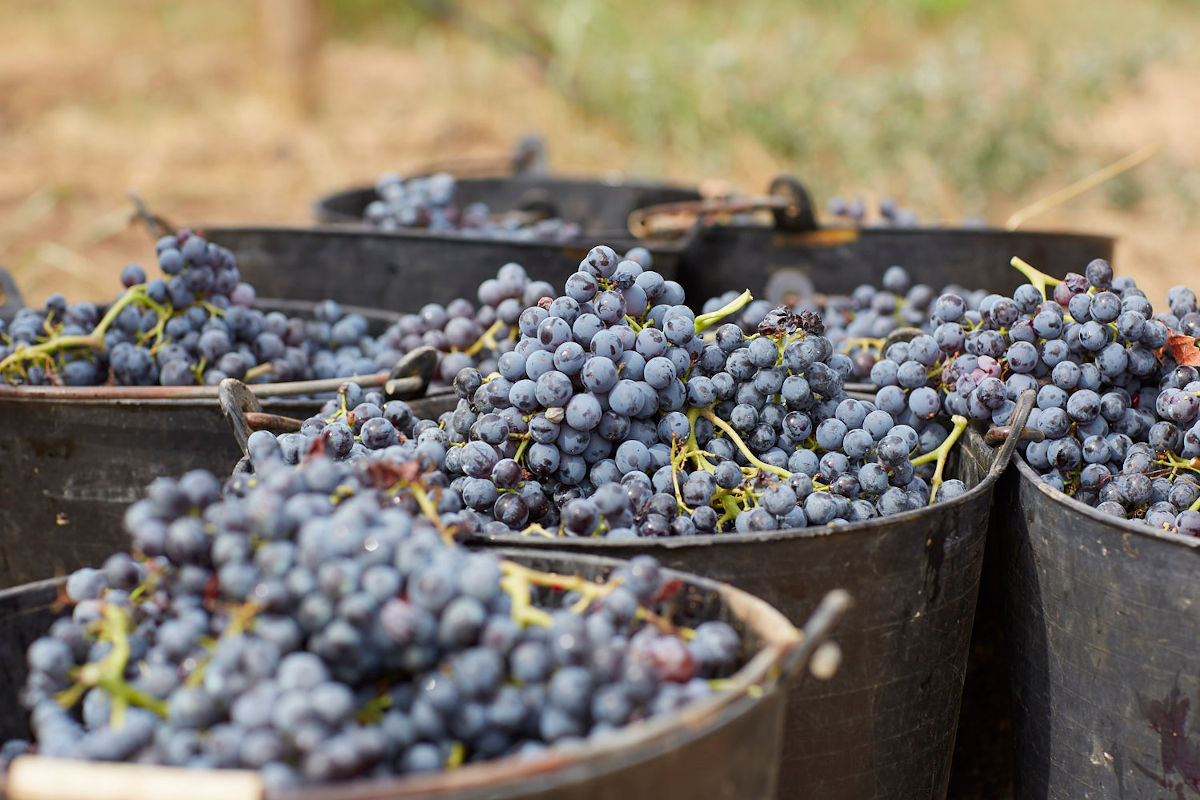
The planted surface area comprises 83% white varieties and 17% red varieties. However, the variety that stands out from all the rest is the Macabeu, accounting for 45% of the total. Given that the DO Tarragona grows the highest percentage of Macabeu of all the Catalan designations of origin, this variety can be said to be one of the hallmarks of the DO.
The white wines have moderate alcohol level, fruity aromas and a body that is strong and pleasant. The rosés are fine, fresh and elegant. The reds are full-bodied, warm and fleshy. The sweet liqueur wines and dry “rancis”, which have complex aromas and flavours, had a glorious past and were widely exported, especially to Britain. Today these wines are making a comeback or have at least stopped declining, and they are beginning to be valued for what they are: true masterpieces of classical oenology.