


Point-of-sale analysis - GIÓNG (Vietnam)
Descarrega el document

Anàlisi punt de venda GIONG
The point-of-sale analysis of Giồng Roastery in Nha Trang (Vietnam) shows how Vietnamese agri-food retail is moving towards higher value-added models. The chain combines café, roastery, specialist shop and experiential space to turn Vietnamese coffee and other local products into a premium proposition built on origin, quality and local identity.
Giồng represents a new generation of Vietnamese companies seeking to go beyond producing and exporting raw materials. Its business model integrates hospitality, specialist retail and promotion of agri-food heritage, transforming products traditionally traded as commodities into brands with their own identity.
One of the main insights is that value is no longer created solely in production, but in brand building, design, commercial narrative and the shopping experience. Concepts such as Farm to Cup, Single Origin, the distinction between Arabica and Robusta varieties and the identification of producing regions are part of the brand's everyday communication and reinforce the perception of quality.
The commercial proposition rests on four pillars: a range made up exclusively of Vietnamese products, coffee as the core of the business, the integration of tasting, roasting and sales in a single space, and strong brand building based on origin and production process. This makes the shop a space combining consumption, purchase and gastronomic education.
Unlike a conventional café, Giồng offers a journey designed for customers to learn about the different coffee varieties, producing areas and roasting processes. The outlet features information panels, graphic materials and a coherent visual identity that explain the product and reinforce its connection with the land.
Production is also part of the shopping experience. The roaster is visible from the retail area and ceases to be a hidden process, becoming a central element of the customer experience. This transparency reinforces the brand's credibility and conveys specialisation and technical expertise.
Another notable aspect is the diversification of the product range. Although coffee is the main draw, the shop also stocks Vietnamese teas, artisan liqueurs, confectionery, gourmet products, scented candles, gift items and merchandise. Coffee thus acts as a gateway to a broader gastronomic proposition linked to Vietnamese culture and territory.
The report identifies a significant shift in the Vietnamese market towards adding value to local products. Far from competing on price alone, companies such as Giồng show that domestically sourced products can also occupy the premium segment through design, presentation, provenance information and the building of a distinctive brand.
It also notes the emergence of specialist retail, still limited in Vietnam but playing a growing role. These shops offer an experience built on product knowledge, specialisation and added value, moving away from traditional distribution formats and building a more emotional relationship with consumers.
The outlet also becomes a communication tool. Beyond selling products, Giồng explains the varieties, the producing farms, the production processes and Vietnamese agri-food heritage, turning the purchase into an educational experience that increases the perceived value of the products.
Strategically, this model shows that Vietnam is beginning to move towards a market where brand, origin and the consumption experience carry increasing weight. The emergence of this type of specialist retailer also suggests that part of the consumer base is moving towards more differentiated, higher value-added products.
For Catalan agri-food companies, this trend is particularly relevant because it indicates that, alongside the growth of the Vietnamese market, new specialist channels are emerging where quality, local identity and differentiation can become competitive factors.
07.09.26
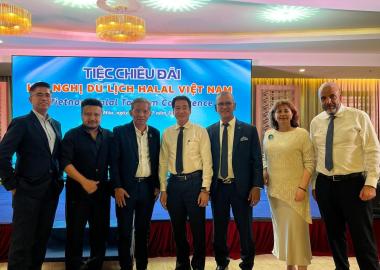
Prodeca takes part in the Vietnam Halal Trade & Muslim Friendly Tourism Conference
Susanna Barquín, head of the meat and halal sector at Prodeca, presented the Catalan agri-food model at an international conference bringing together institutions, companies and experts to boost cooperation within the global halal economy.