


11.20.25
Catalonia prepares to host European culinary talent with the ninth edition of the European Young Chef Award
From 24 to 28 November, Catalonia will become the epicentre of gastronomic creativity with the ninth edition of the European Young Chef Award (EYCA), a competition that brings together Europe's best young chefs to compete in a setting where tradition and innovation go hand in hand.
Over four days, nine representatives from various European regions they will live together and share experiences in a programme combining competition, training and the discovery of Catalan culinary heritage. The tests will take place on 25 and 26 November at the Sant Pol de Mar University School of Hospitality and Tourism (EUHT StPOL), while the final gala will be held on 27 November in Barcelona, chaired by the Minister of Agriculture, Livestock, Fisheries and Food, Òscar Ordeig.
Ànakin Rivera, Catalonia's official representative at the European Young Chef Award
Catalonia will be represented by Ànakin Rivera, winner of the 2025 Young Cuisine Competition of Catalonia. Born in Dosrius (El Maresme), this 20-year-old has turned a passion for cooking into a vocation that led him to train at EUHT Sant Pol and to work today at the prestigious Arzak restaurant in San Sebastián, under the direction of Elena Arzak.
His proposal for the competition, Maresme al plat, is a statement of intent: a tribute to the territory, to local produce and to the Km 0 philosophy that inspires his cooking. Rivera champions creative, sustainable gastronomy, deeply rooted in Catalan tradition but open to global influences. “Cooking is discipline, creativity and respect for your roots”, says the young chef, who dreams of opening his own restaurant in El Maresme to boost local cuisine with a contemporary outlook.
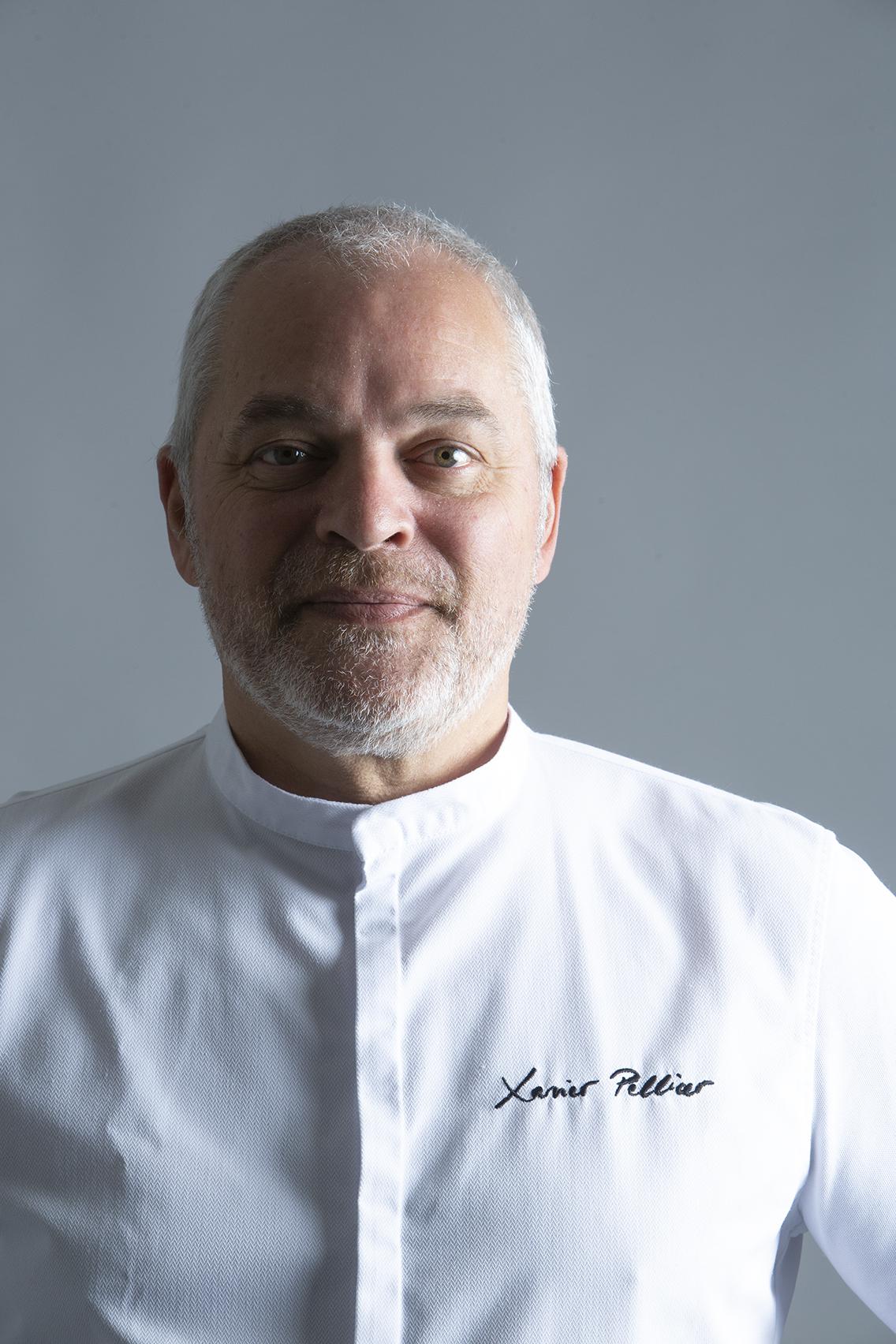
An outstanding jury chaired by Xavier Pellicer
The competition's rigour and quality are guaranteed by an international jury chaired by Xavier Pellicer, a world reference in plant-based, healthy cuisine. Born in Barcelona, Pellicer has been chef at iconic establishments such as El Racó de Can Fabes and ABaC, and now leads his eponymous restaurant, recognised as the world's best vegetable restaurant by the We’re Smart Green guide. Winner of the 2024 National Gastronomy Award, Pellicer champions conscious cuisine, connected to the land and respectful of biodiversity.
Alongside Pellicer, the jury will feature prestigious figures such as Evi Chioti (Cyprus), an expert in sustainable gastronomy; Frida Jensen (Norway), an innovative chef and pastry chef; Ken Trahv (Estonia), a gastronomy entrepreneur; Wendy Barrie (Scotland), an advocate of food heritage; and Per Tørrissen (Norway), a specialist in Arctic cuisine and food education.
Tradition, innovation and sustainability: the competition's values
The European Young Chef Award is more than a competition: it is a platform to drive creativity based on traditional cuisine, promote sustainability and train future ambassadors for local products.
This edition's candidates come from regions with a strong gastronomic identity: Crete, Banat, Menorca, Gozo, Sicily, Coimbra, Slovenia, Dalmatia and Catalonia. All of them are linked to hospitality schools, restaurants or gastronomic projects and stand out for their technical mastery, sensitivity towards local produce and commitment to sustainability. Each candidate presents two preparations: a traditional version of an emblematic dish from their territory and an innovative reinterpretation that updates its essence, which is the dish assessed for the competition.
During their stay in Catalonia, the participants will enjoy a programme of experiences touring places such as Sant Pol, Arenys de Mar, Viladrau, Vilafranca del Penedès and Barcelona, discovering local products, traditional recipes and Catalan gastronomic culture.
The candidates competing for the European Young Chef Award
Ànakin Rivera (Catalonia)
At just 20, Ànakin Rivera is one of the great hopes of Catalan cuisine. Born in Dosrius, he trained at EUHT Sant Pol and works at the Arzak restaurant, a world gastronomy reference. His dish, Maresme al plat, champions local produce and the Km 0 philosophy, combining technique, creativity and respect for tradition.
Ioannis Liapakis (Crete)
Raised in family kitchens, Ioannis Liapakis has made Cretan tradition the pillar of his proposal. His dish, Erevinthos, blends ancestral techniques with a contemporary outlook, respecting biodiversity and Mediterranean identity. For him, cooking is memory, culture and innovation.
Bogdan-Andrei Lovin (Banat)
From Romania, Bogdan-Andrei Lovin backs a cuisine that unites authenticity and modernity. With Baked Polenta and Chicken Roll, he reinterprets a Banat classic with local products and modern techniques. His philosophy: sustainability, respect for the product and creativity in the service of tradition.
Joan Taltavull (Menorca)
At 19, Joan Taltavull is an advocate of simplicity and Menorcan identity. His dish, Arròs de la Terra, is an ode to the territory and to local cuisine. Trained at Jesuites Sarrià and with experience at the Son Vell restaurant, Joan wants to take Menorcan cuisine to a level of excellence.
Nigel Tabone (Gozo)
Nigel Tabone represents the Mediterranean essence with a zero-waste proposal: Ħondoq Klamar. Every part of the squid is used in a dish combining technique, sustainability and creativity. Trained at the Institute of Tourism Studies in Malta and with international experience, Nigel is a firm advocate of respect for the product.
Gabriele Somma (Sicily)
With La mia Sicilia, Gabriele Somma wants to tell the history and emotions of his homeland. His cooking strikes a balance between authenticity and innovation, with local products and modern techniques. For him, every dish is a language conveying culture, identity and passion.
Joana Gonçalves (Coimbra)
The Portuguese Joana Gonçalves backs culinary memory with Memories of Chanfana: from Tradition to Innovation. Her proposal reinterprets an emblematic dish from her region, combining technique, sensitivity and respect for tradition. Her cooking is a bridge between past and future.
Pija Frešer (Slovenia)
From the mountains of Pohorje, Pija Frešer presents United Kingdom of Pohorje Pisker, a proposal that evokes memories and emotions. Her cooking is based on sustainability, foraging and fermentation, with a creative outlook that respects nature and local identity.
Ivan Barčot (Dalmatia)
Ivan Barčot brings the strength of the Mediterranean to the plate with The Shrimp, a creation reflecting Dalmatian passion and identity. Trained at schools of excellence and with experience in prestigious restaurants, Ivan wants to show that island cuisine can be innovative and sophisticated.
About the European Young Chef Award
The European Young Chef Award is a competition promoted by IGCAT (Institute of Gastronomy, Culture, Art and Tourism) which brings together the winners of regional competitions from all over Europe with the aim of promoting innovation based on traditional cuisine, highlighting sustainable food cultures and creating future ambassadors for local products and territories.
This year's event forms part of the Catalonia World Region of Gastronomy 2025 initiatives, a recognition that highlights the richness of Catalan culinary heritage and its capacity for innovation. The event is organised by the Department of Agriculture, Livestock, Fisheries and Food, through Prodeca, and by the Department of Business and Labour, through the Catalan Tourist Board, with the collaboration of the Trade, Crafts and Fashion Consortium of the Government of Catalonia.
11.05.25
Catalonia will host the ninth edition of the European Young Chef Award in November
The 9th edition of the European Young Chef Award will be held in Catalonia between 24 and 28 November and will bring together ten international delegations competing for the European prize. The Sant Pol de Mar University School of Hospitali
02.21.25
Ànakin Rivera will represent Catalonia at the European Young Chef Award 2025
Ànakin Rivera, a student at the Sant Pol de Mar University School of Hospitality and Tourism (EUHT StPOL), won the overall prize and the Catalan Food prize awarded by the Government of Catalonia, which will see him represent Catalonia at th