


Wine and sparkling wine sector trends for 2024
06.14.23
Labelling, ingredient and nutritional value rules for wine products
A session run by INCAVI exploring the changes introduced by the new labelling law coming into force from December 2023, which particularly affects nutritional information.

04.13.21
The Brazilian wine market: characteristics and opportunities
PRODECA invites the companies of the Catalan wine sector to participate in an online information session about the wine sector in Brazil, characteristics and opportunities, as well as a presentation of the ProWine Sao Paulo fair by those responsible for the event.
The wine and sparkling wine sector is constantly evolving, shaped by global trends and changing consumer preferences. For Catalan wine companies looking to export worldwide, understanding these trends is crucial in order to adapt their strategies and capture new market opportunities. This report highlights the key insights that will shape the global wine and sparkling wine market in 2024.
1. Drinking at home
One of the most significant trends is the rise in wine and spirits consumption at home, which has grown considerably since the pandemic. Many consumers prefer to save money and enjoy quality drinks in the comfort of their own homes. This trend will continue, offering Catalan companies an opportunity to promote products tailored to home consumption. Offerings such as tasting packs, limited editions for special occasions and home food-pairing kits can capture consumers' interest.
2. New product launches
Since the pandemic, launches of new wines and sparkling wines have returned to previous levels. The market is seeing renewed activity, especially in sparkling wines, which are increasingly popular at social events and celebrations. This trend works in favour of introducing cava to new markets. Catalan wineries should also consider innovation and new product launches to stay competitive and attract international consumers. This includes creating new flavours, using lesser-known grape varieties and producing organic or biodynamic wines.
3. Value options
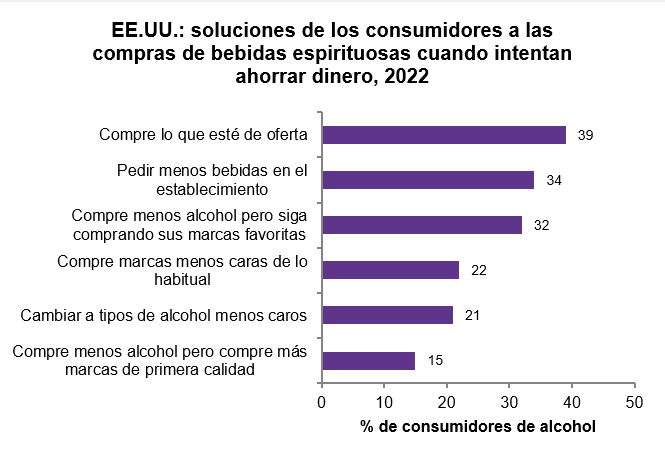
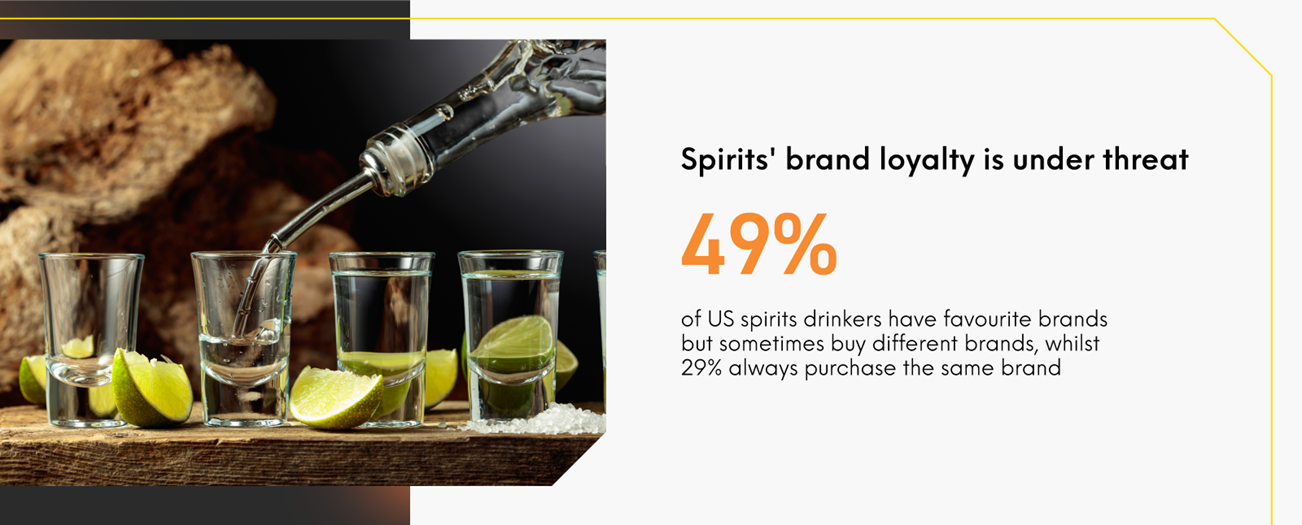
With the cost-of-living crisis, brand loyalty is declining and consumers are more price-aware. They look for options that offer good value without compromising on quality. Offering quality products at competitive prices can help Catalan companies capture this market segment. Affordable options should not compromise quality but offer good value for money. This can include wines with attractive labels, authentic brand stories and sustainable packaging.
4. Moderating consumption
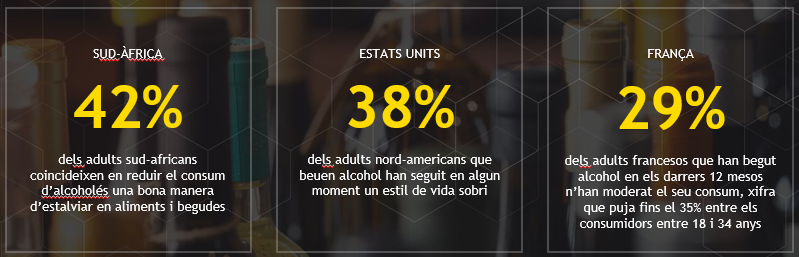
There is growing awareness of mental health and of moderating alcohol consumption. Low-alcohol wines and sparkling wines are gaining popularity among consumers who want to enjoy their favourite drinks without overdoing it. This market segment is an opportunity for Catalan companies to develop products that meet this demand, offering healthier options without losing the essence and flavour of wine. Alcohol-free or low-calorie wines are also emerging as an attractive alternative.
5. Sustainability
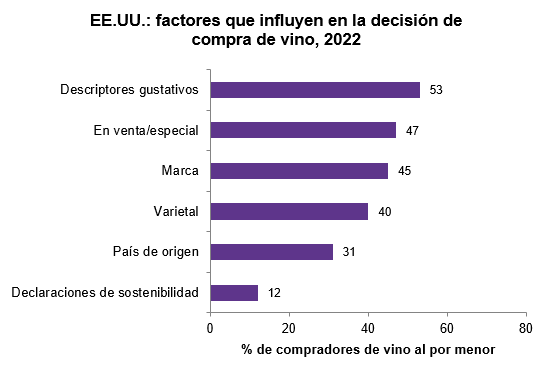
Consumers expect brands to adopt eco-friendly practices without raising costs. Catalan companies can highlight their sustainable practices to justify prices and attract conscious consumers. Aspects such as organic production, recyclable packaging, reduced environmental impact and organic certification are increasingly valued by consumers. Moreover, transparency in sustainability practices and communicating these initiatives can strengthen customer loyalty.
6. Technological innovation
Technology is playing an important role in the wine industry. AI-powered cocktail-creation apps and virtual reality offer new ways to promote products. Working with innovative technologies can increase the visibility and appeal of Catalan wines, creating unique experiences for consumers. For example, using augmented reality to offer virtual winery tours or interactive tastings can improve customer engagement and encourage online purchases.
7. Diversifying the range
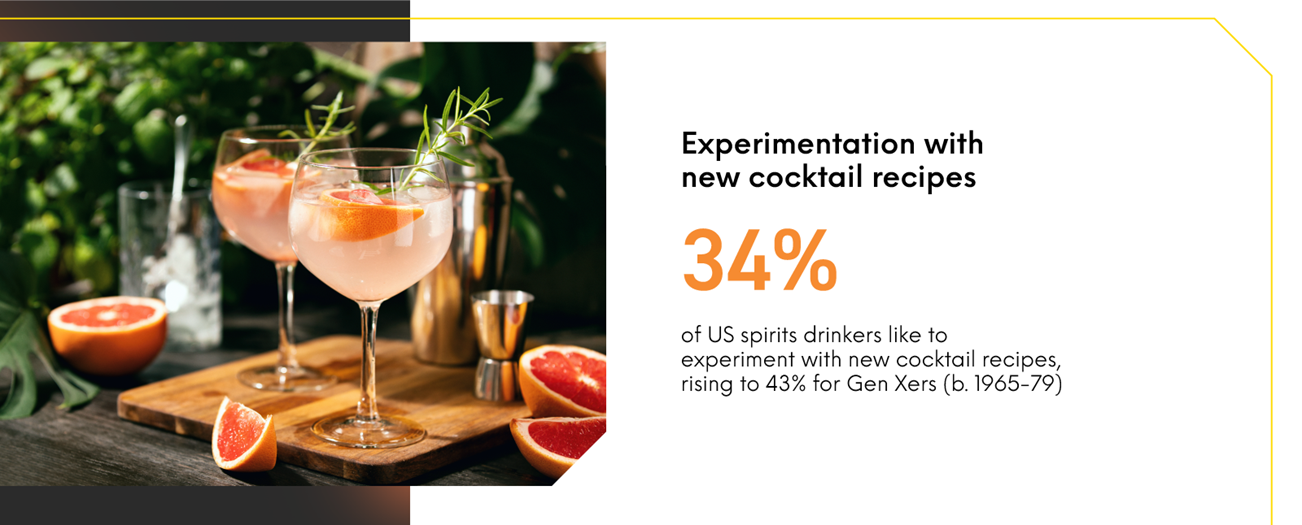
With more moderate consumption, brands need to find new ways to attract consumers. Lower-alcohol wines and premium soft drinks are gaining popularity. Catalan wineries can explore these segments to offer a broader range of products meeting various consumer needs. Diversifying the range allows brands to adapt to different drinking occasions, from informal gatherings to major celebrations.
8. Building loyalty
To secure a market presence, brands need to cover the full price range. Ranges that include both premium products and more affordable options can help maintain consumer loyalty. This will allow Catalan companies to attract a wide variety of customers, from the most demanding to the most price-conscious. Creating loyalty programmes, discounts for regular customers and exclusive member experiences can strengthen relationships with consumers.
9. The RTD (ready-to-drink) market
Ready-to-drink (RTD) cocktails are booming. Offering sparkling wines in RTD format can be a way to enter this growing market and provide an affordable luxury option. This trend allows for innovation and for attracting new consumers who want convenience without compromising on quality. Canned wines, small bottles and pre-mixed cocktails are examples of how this market can be approached successfully.
These global trends offer a major opportunity for the Catalan wine sector. Adapting to local preferences, offering innovative, appealing products and understanding the importance of convenience, health and sustainability are key to succeeding in a competitive market. Companies able to meet these demands will be well placed to win the attention and loyalty of consumers around the world in 2024 and beyond.
Catalan wine and sparkling wine companies should see these trends as opportunities to innovate and expand. With a combination of technological innovation, sustainability and a more diverse range, they can not only meet consumer expectations but also establish themselves as leaders in the global wine market. Making the most of these trends will allow Catalan brands to stand out and capture new markets, ensuring sustained growth and a strong global presence.
This article is based on the MINTEL REPORT "The future of wine and spirits: 2024" prepared by the consultant Martin Pasco.

11.10.23
Catalonia's wine sector refocuses its commercial strategy on China
PRODECA organised the joint participation of 15 Catalan wineries at Prowine Shanghai, one of the most important trade platforms for the wine sector in Asia. The Catalan wineries took part under the brand "Catalonia, where wine is culture" t

06.07.22
The Catalan wine sector grows for the first time in exports since the pandemic
Wine and cava from Catalonia are recovering from the pandemic. The Catalan sector's exports are growing for the first time in the last two years, experiencing an increase of 18,97% in value and 11,42% in volume compared to 2020.