


05.22.26
Prodeca strengthens trade alliances in Mexico to showcase Catalan food
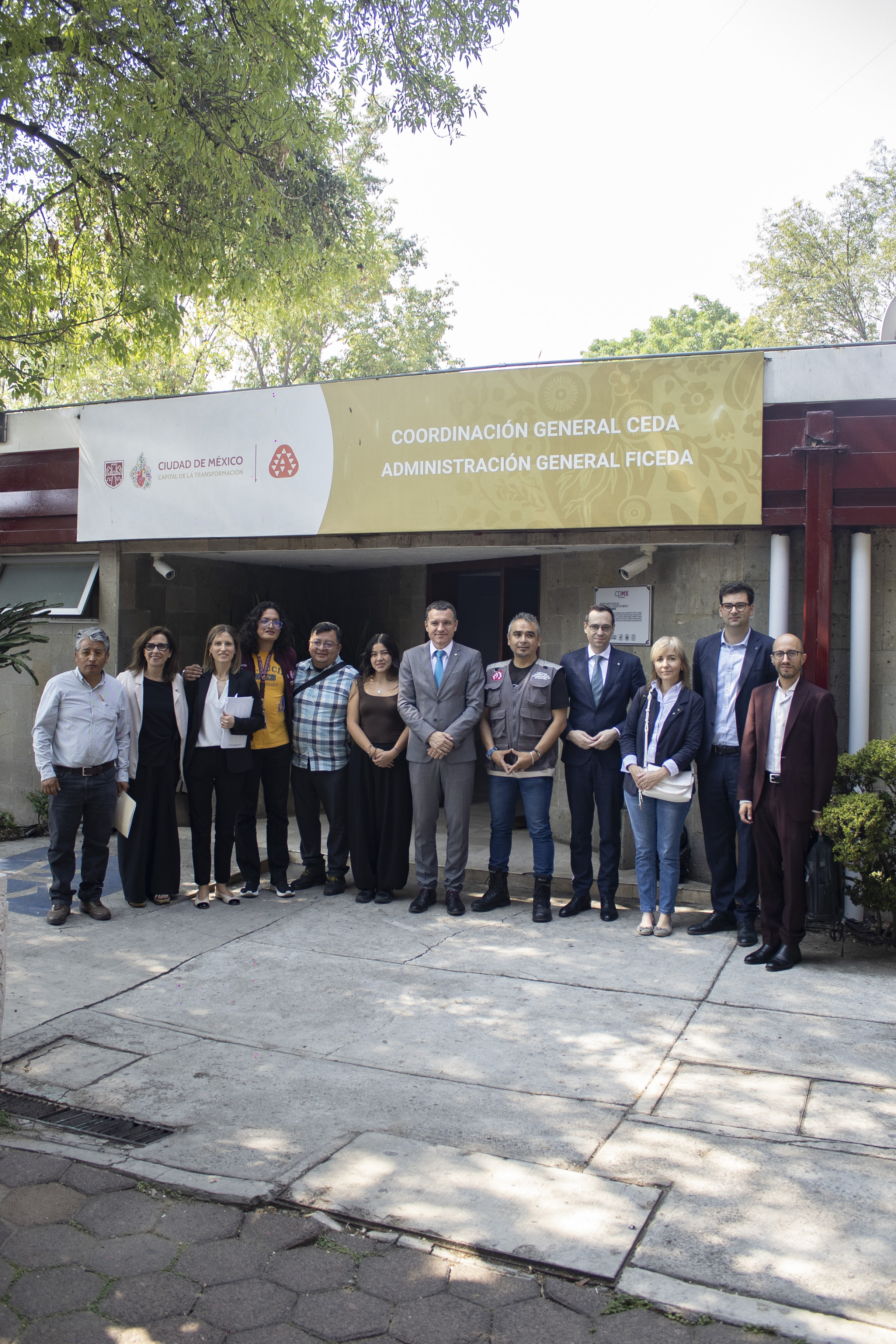
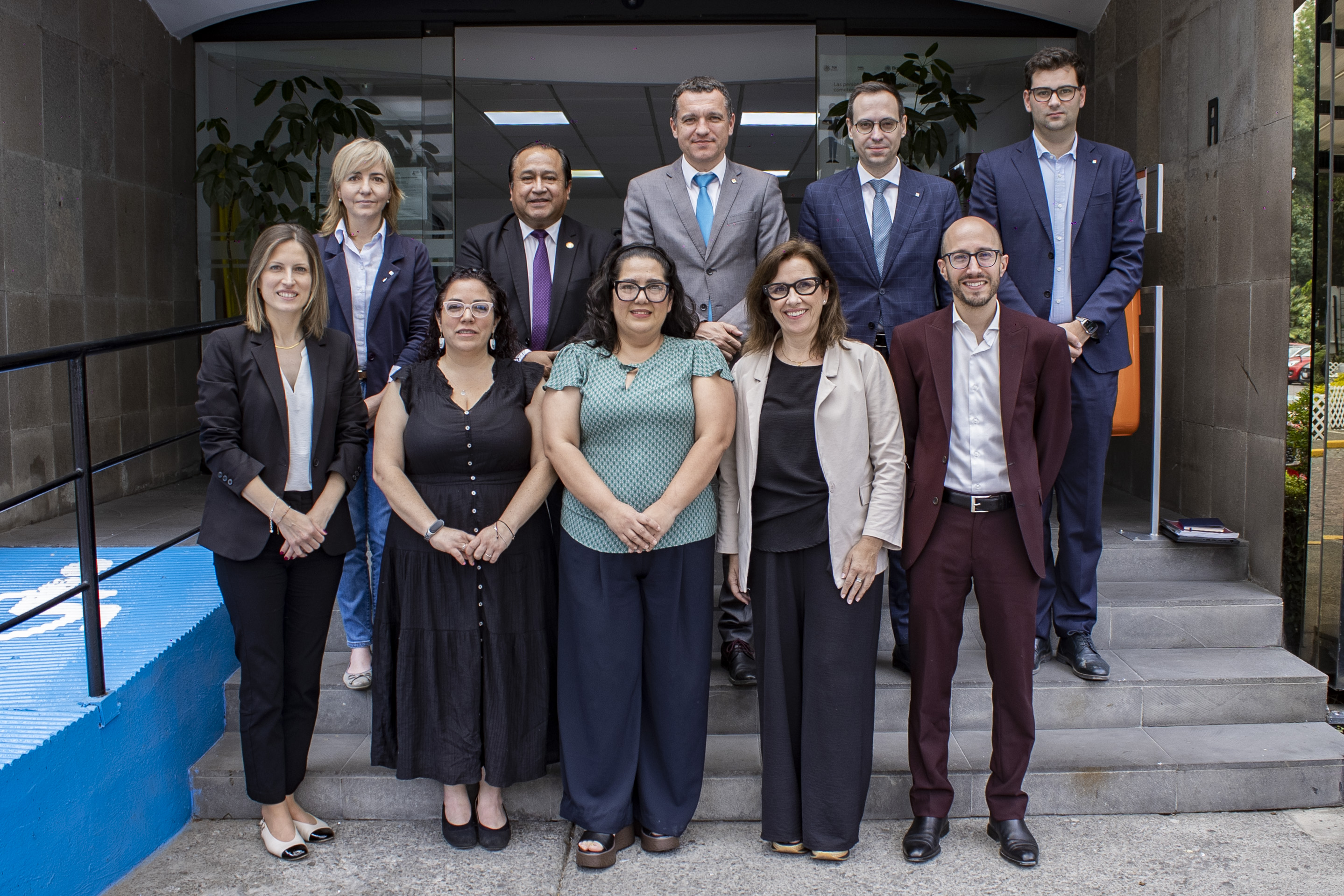
PRODECA and the Department of Agriculture, Livestock, Fisheries and Food have concluded the institutional trip to Mexico organised this week with an agenda focused on strengthening institutional, commercial and agri-food relations between Catalonia and the North American country.
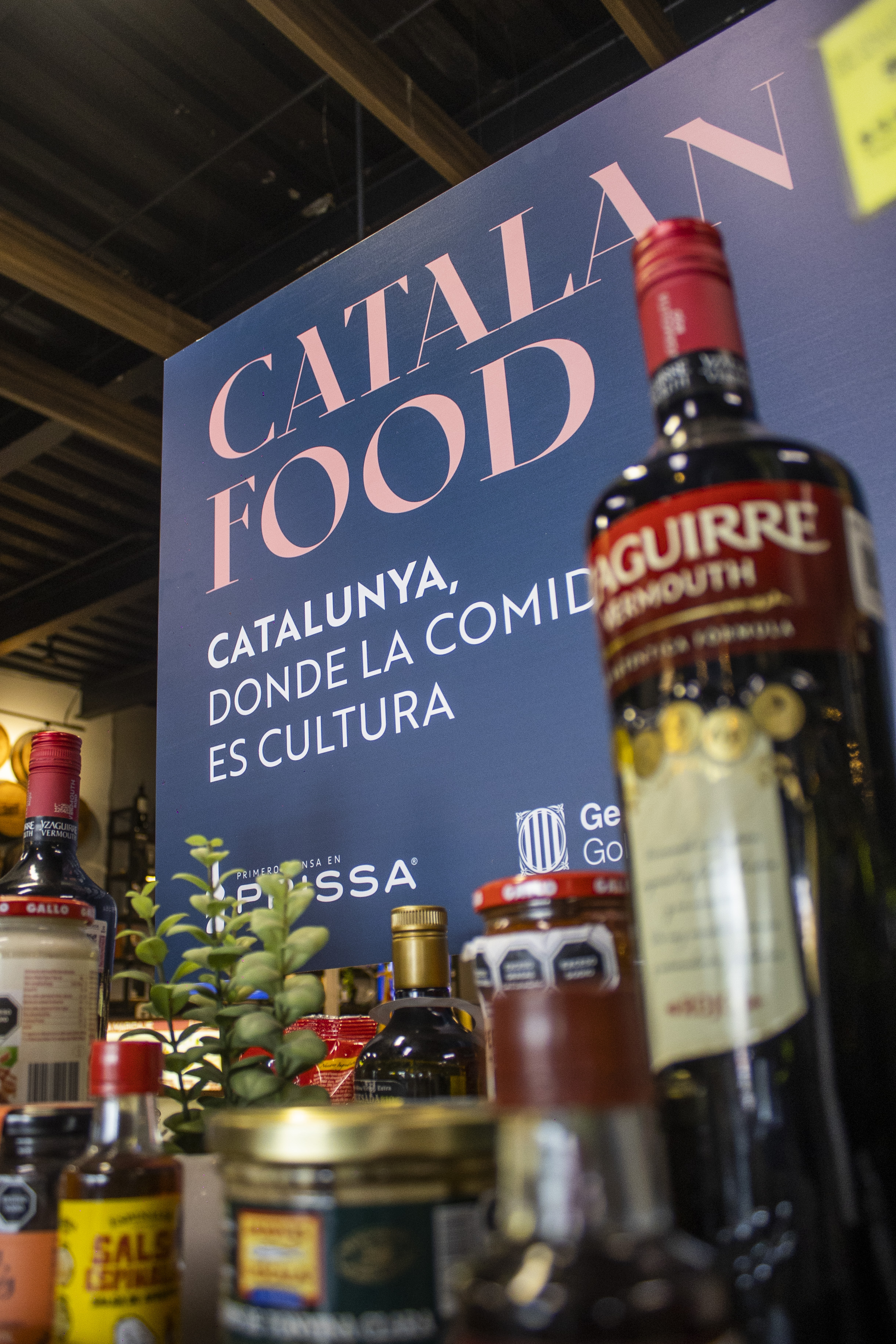
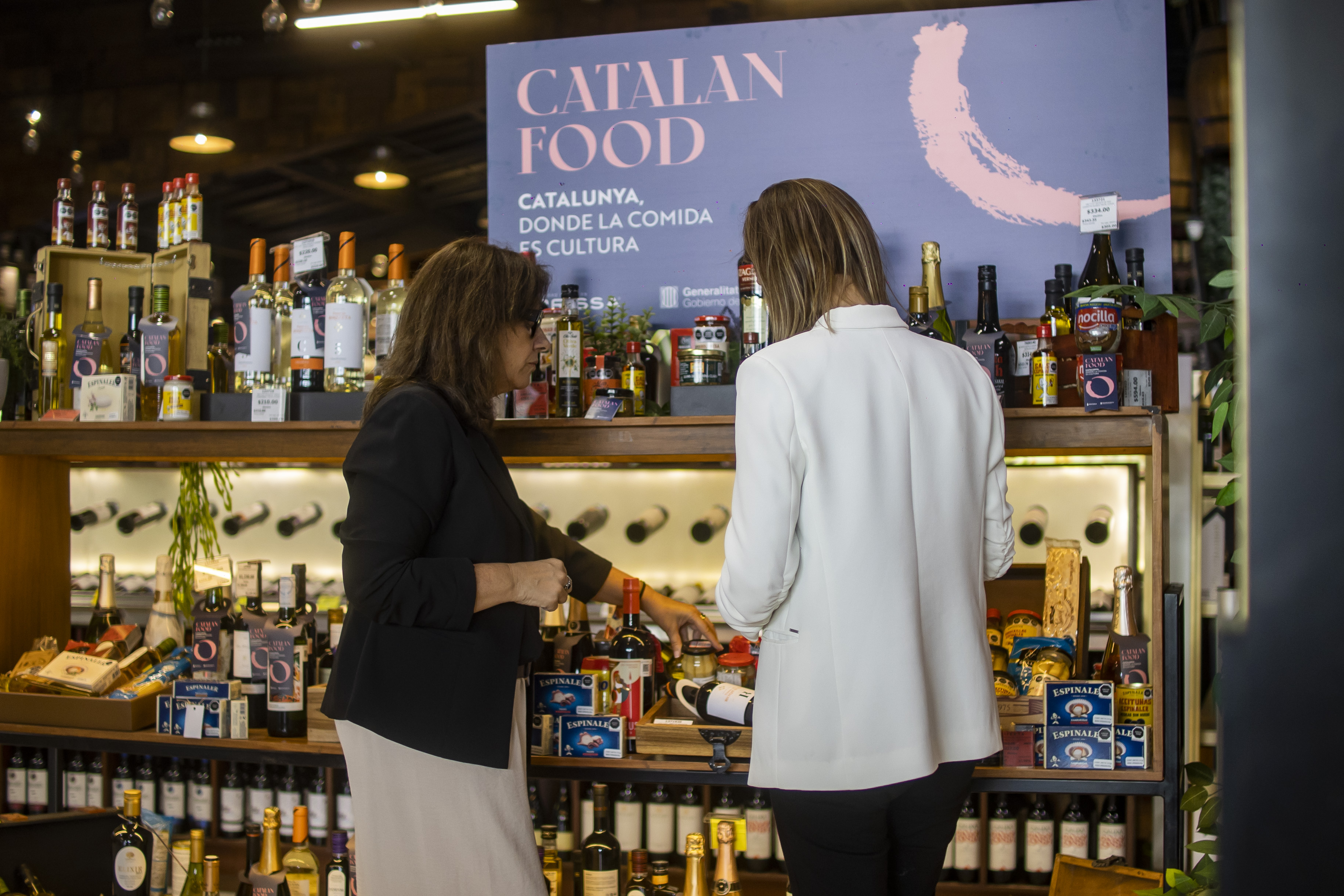
The institutional visit coincided with the rollout of the Catalan Food PRISSA campaign, a trade promotion initiative led by Prodeca in collaboration with the Delegation of the Government of Catalonia in Mexico and Central America.
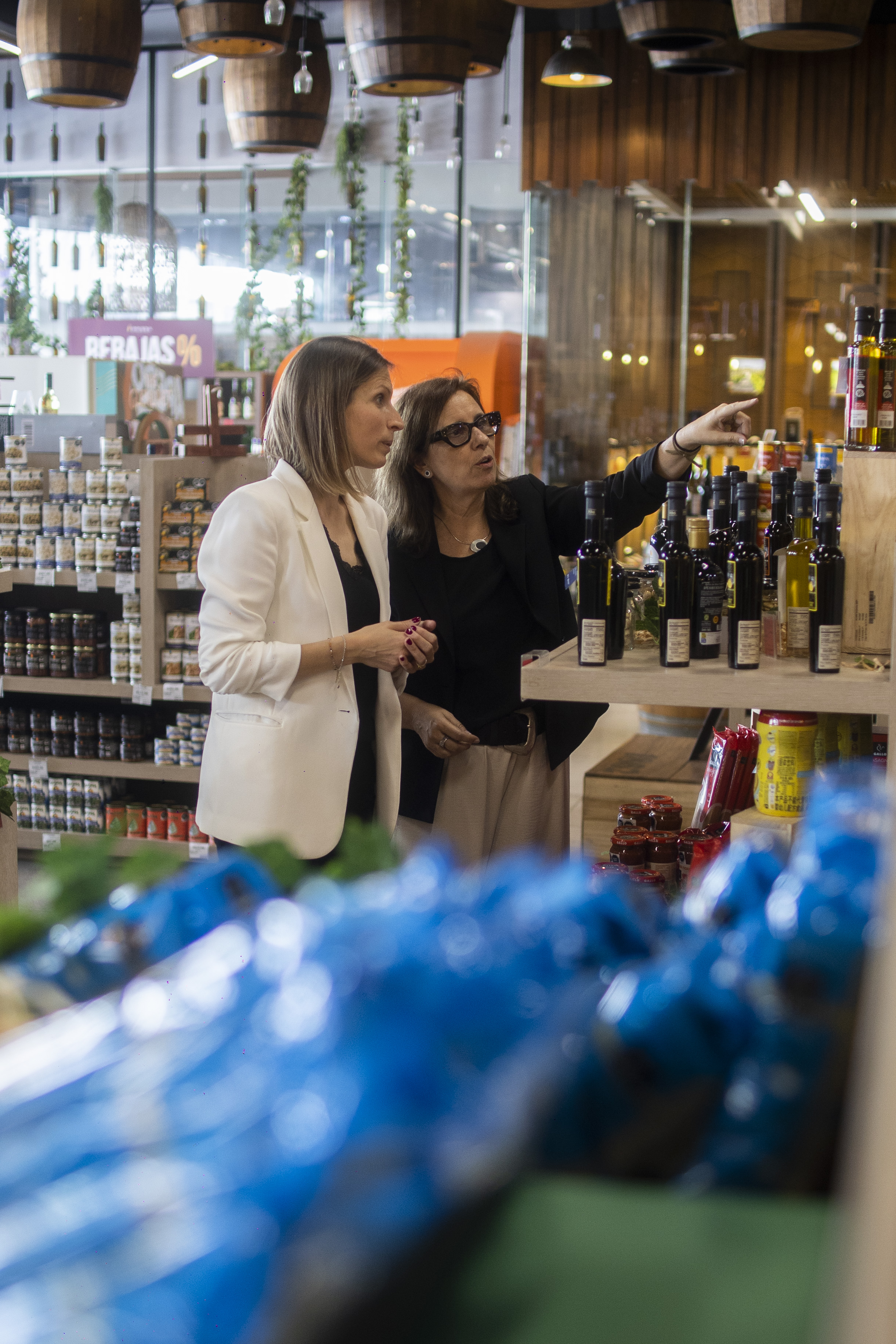
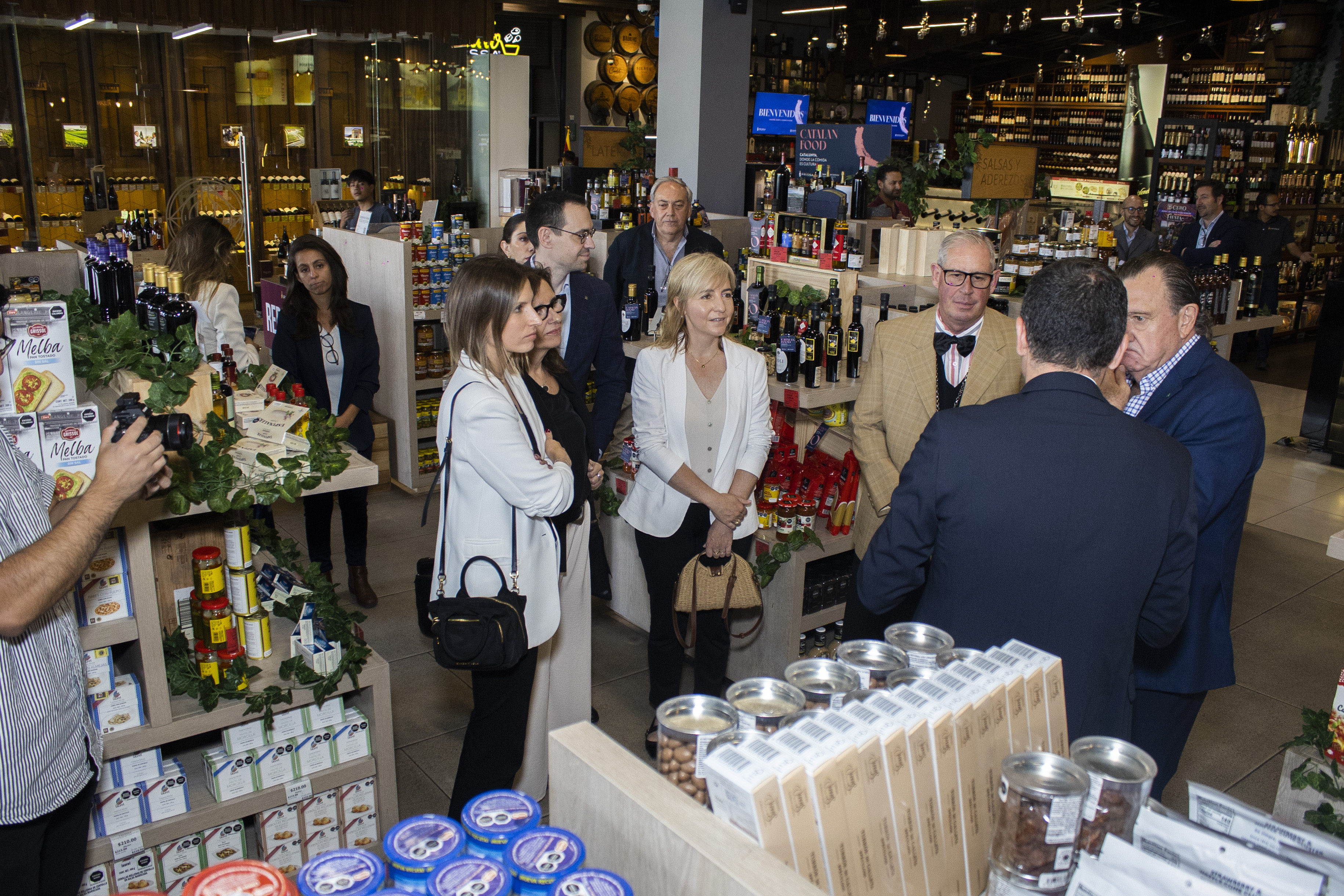
The campaign ran throughout May in 13 outlets of the PRISSA gourmet chain across the country and involved 21 Catalan companies and more than 100 agri-food product lines, including wines, sparkling wines, extra virgin olive oils, preserves, vermouths, confectionery and Catalan gourmet products.
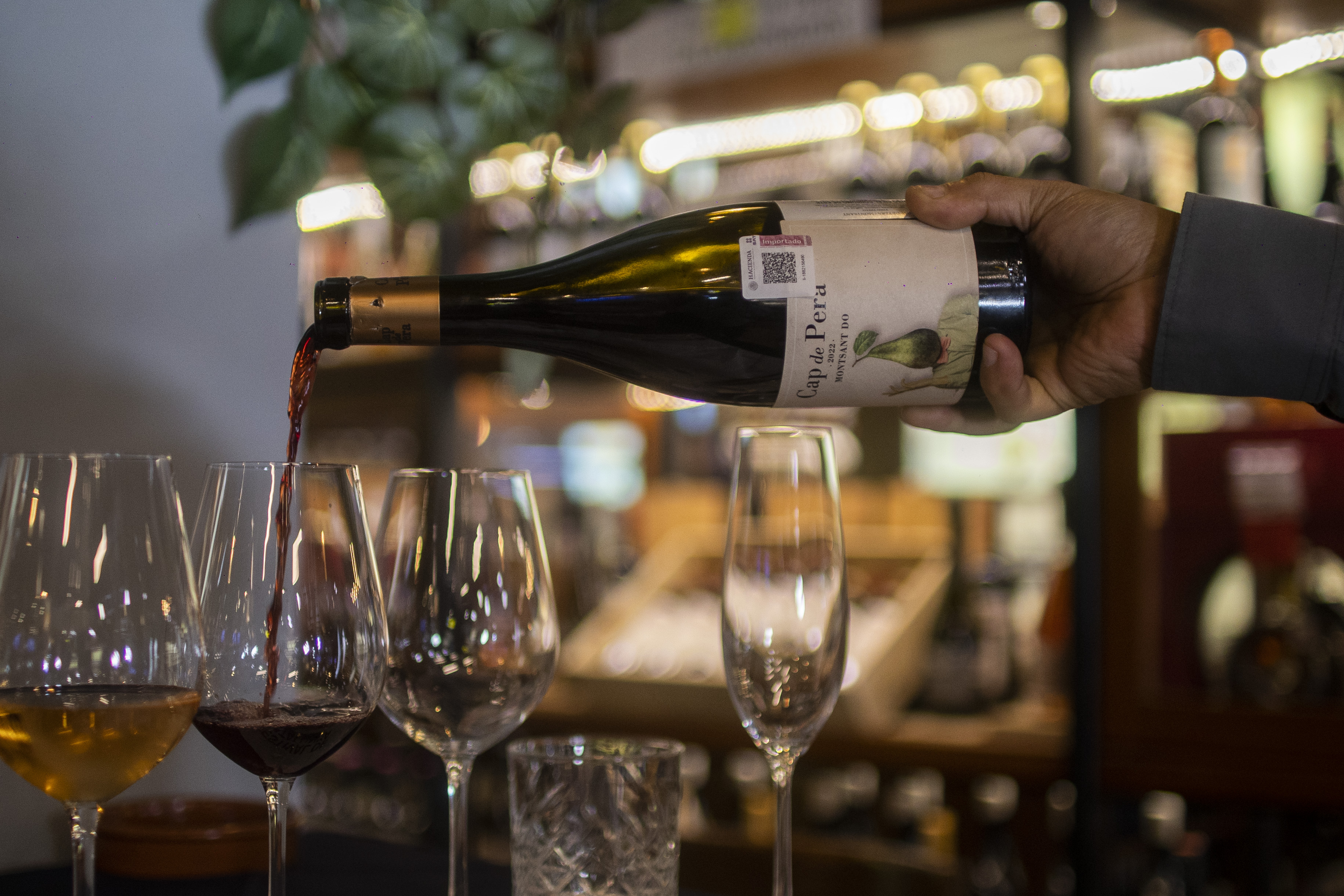
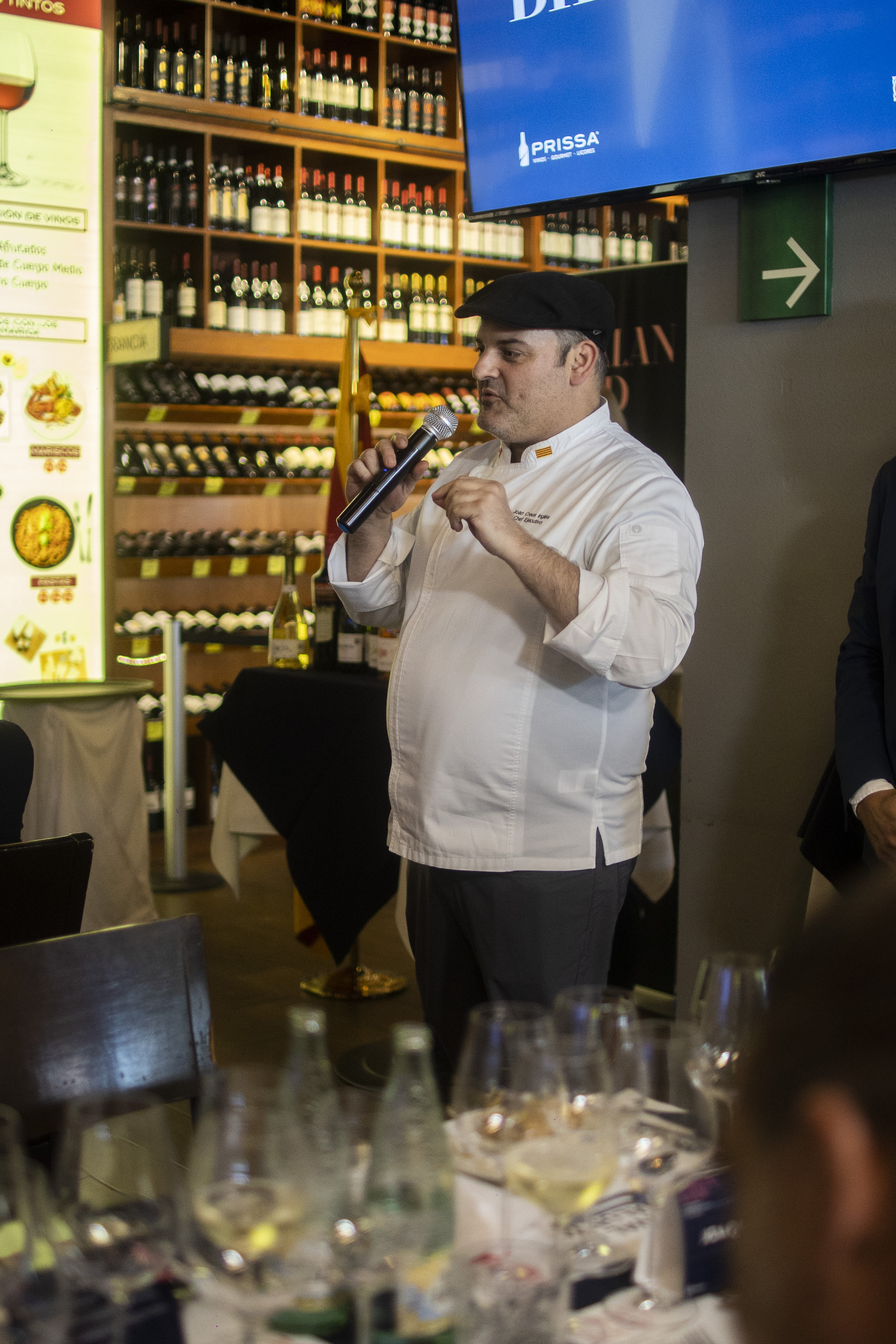
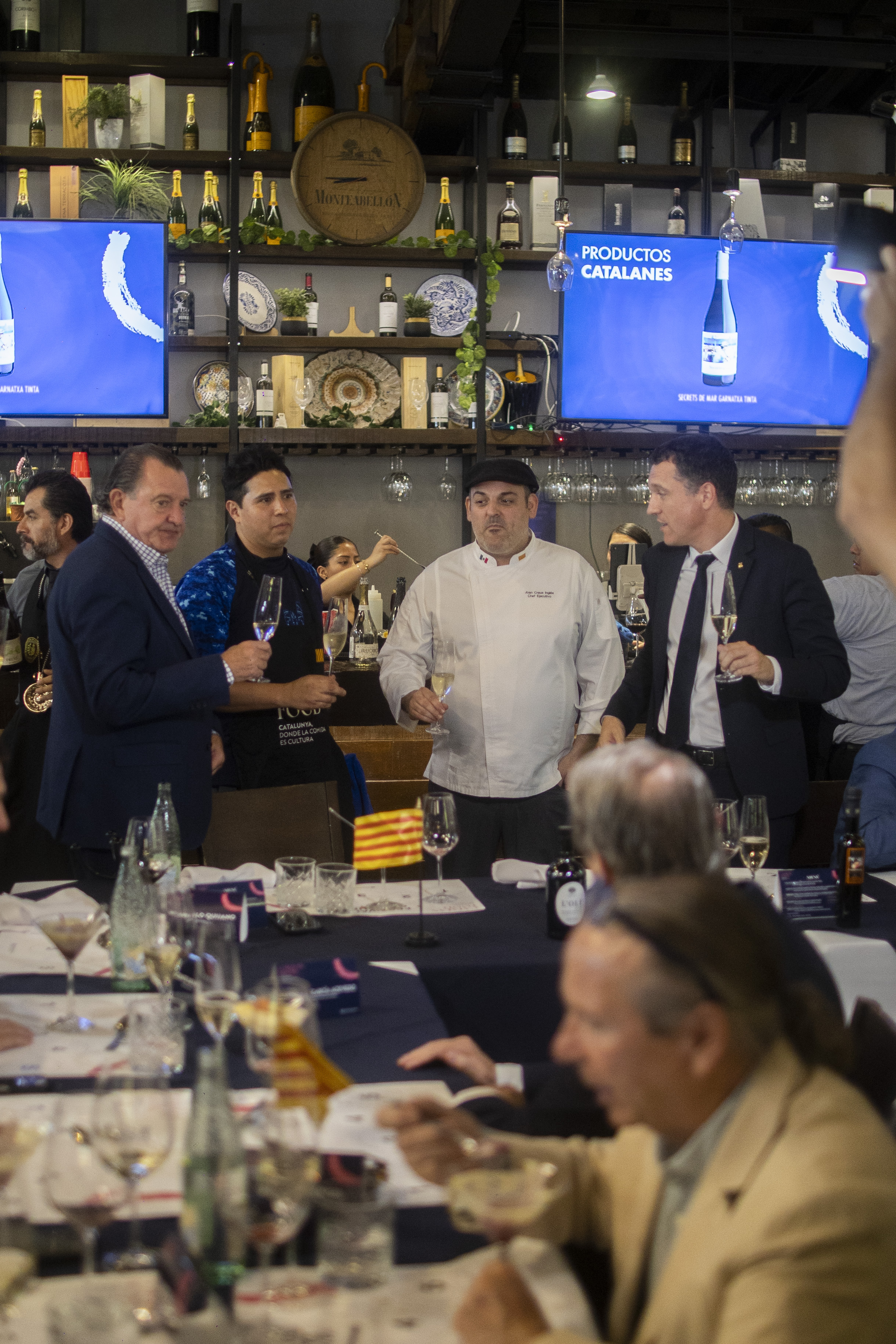
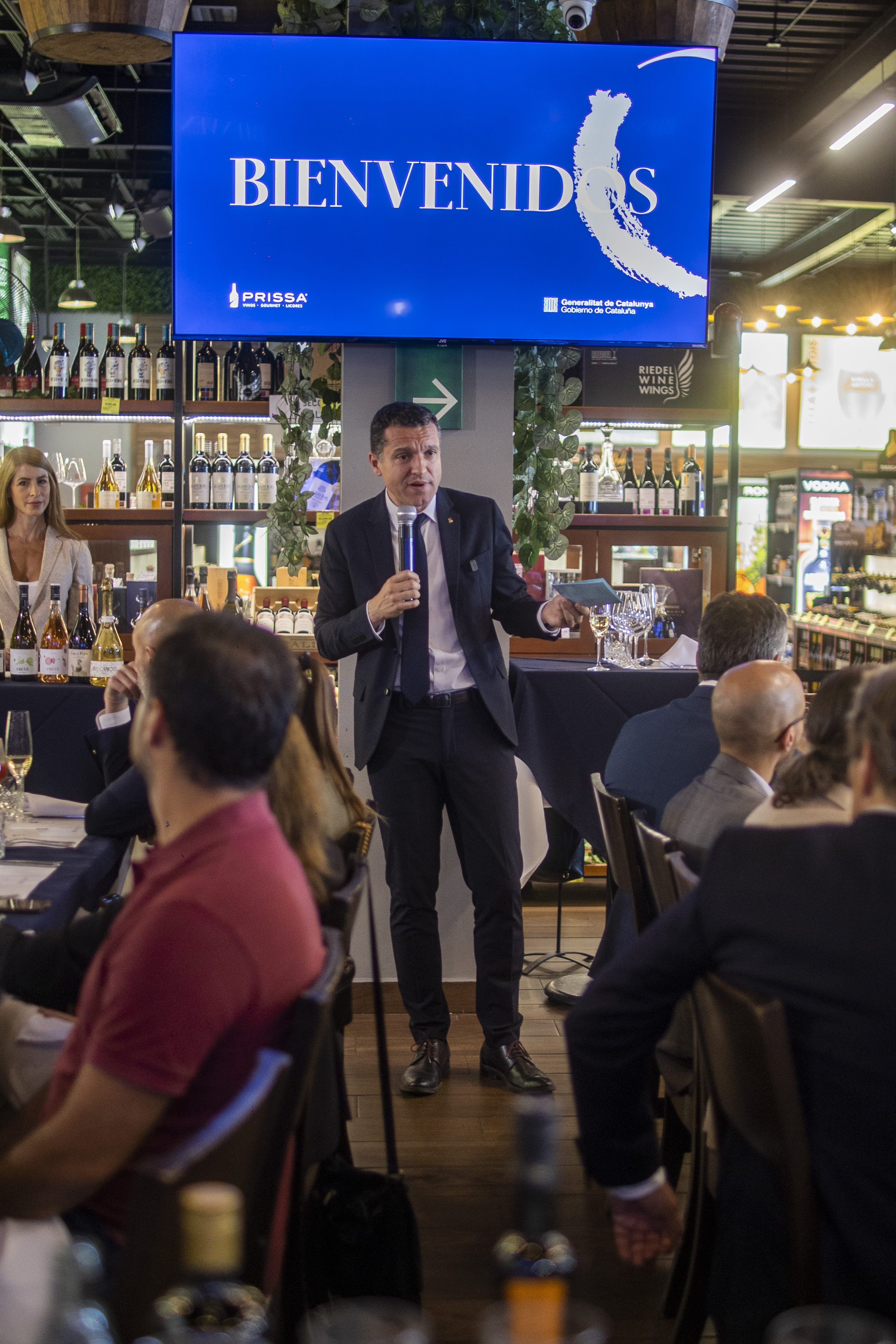
As part of the visit to Puebla, the Catalan delegation took part in the institutional event Festival of Catalonia at PRISSA, a tasting of sparkling wines and vermouth aimed at representatives of business chambers and government officials.
The campaign included promotional corners in the chain's outlets, tastings and commercial activation activities and a Catalonia Menu made with products featured in the promotion, to boost the internationalisation of the Catalan agri-food sector through direct promotion in strategic markets.
Strengthening institutional and commercial alliances to boost the Catalan agri-food sector
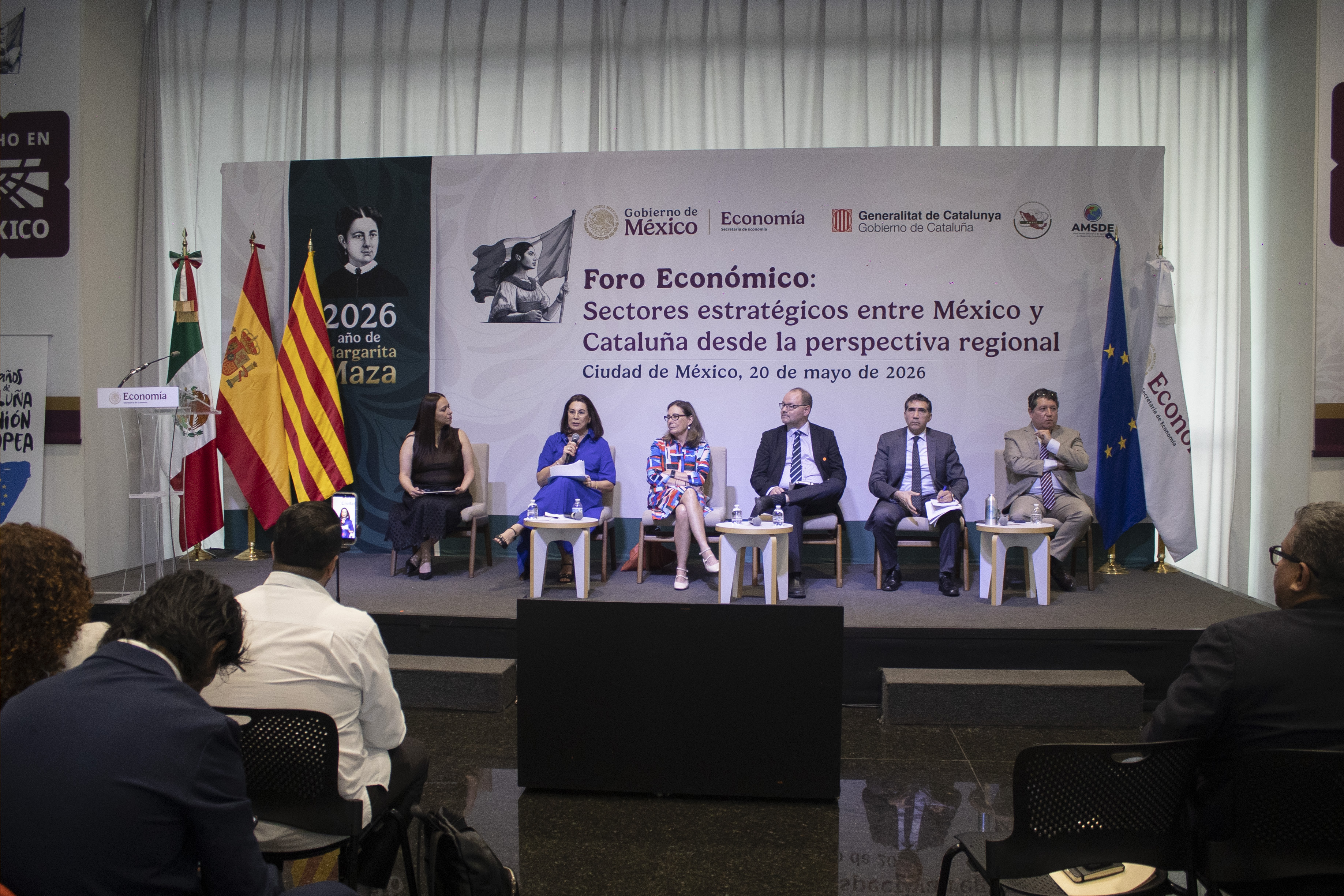
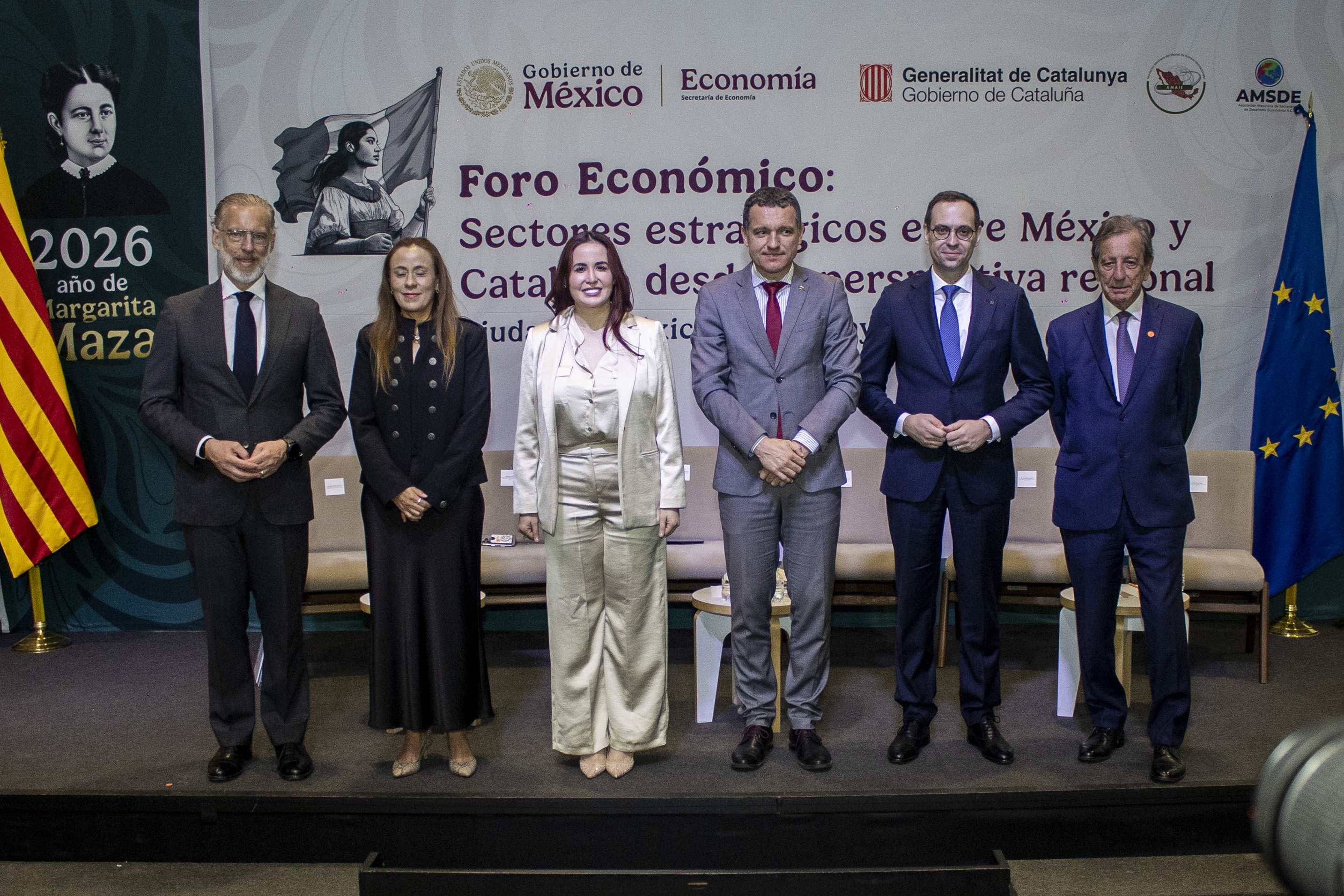
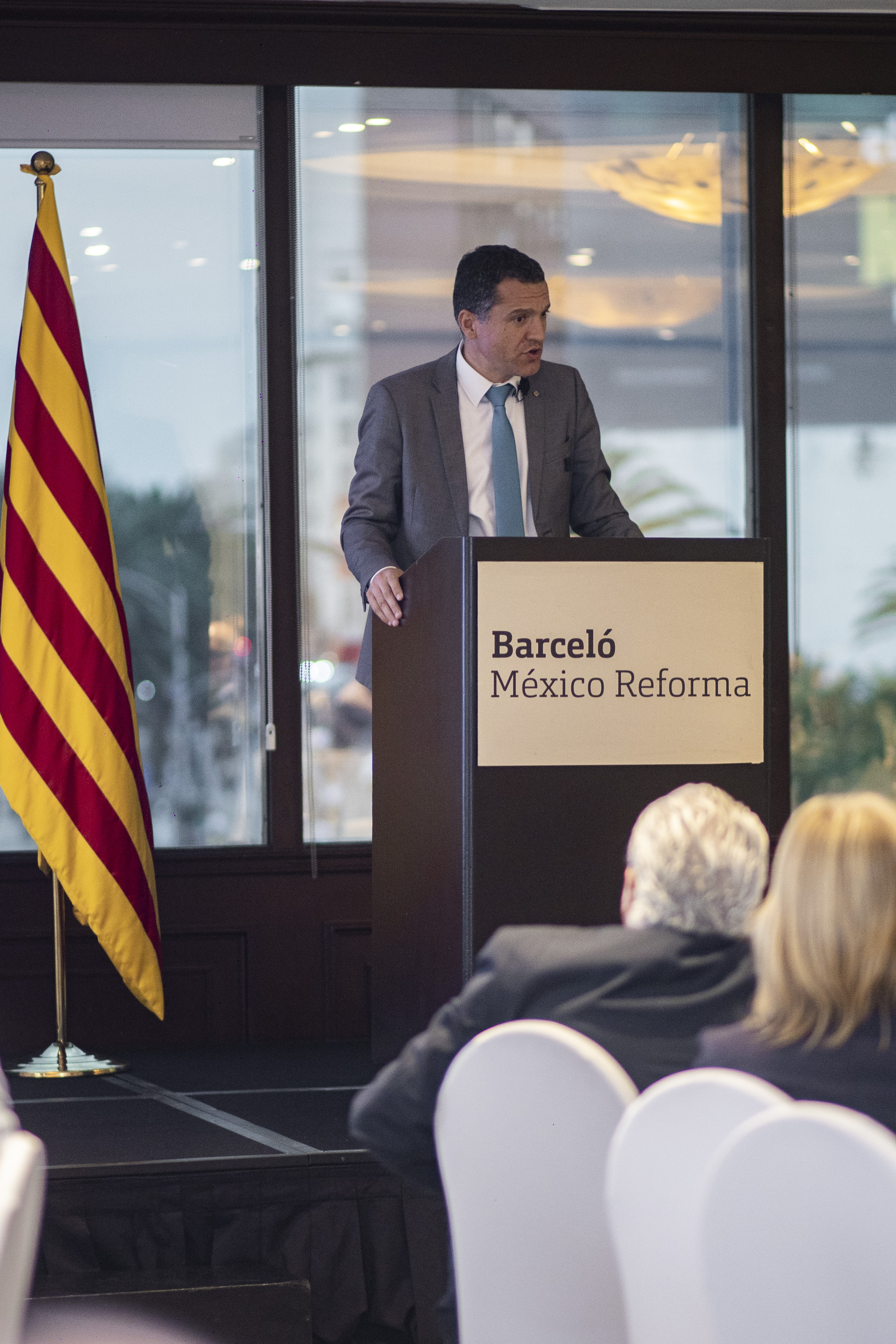
During his trip to Mexico, Minister Òscar Ordeig took part in the Economic Forum “Strategic sectors between Mexico and Catalonia from a regional perspective”, held in Mexico City on Wednesday 20 May, where the opportunities arising from the modernisation of the trade agreement between the European Union and Mexico were discussed.
In his address, the Minister for Agriculture described the modernisation of the Global Agreement between the European Union and Mexico as a strategic opportunity to strengthen commercial and institutional relations between the two territories.
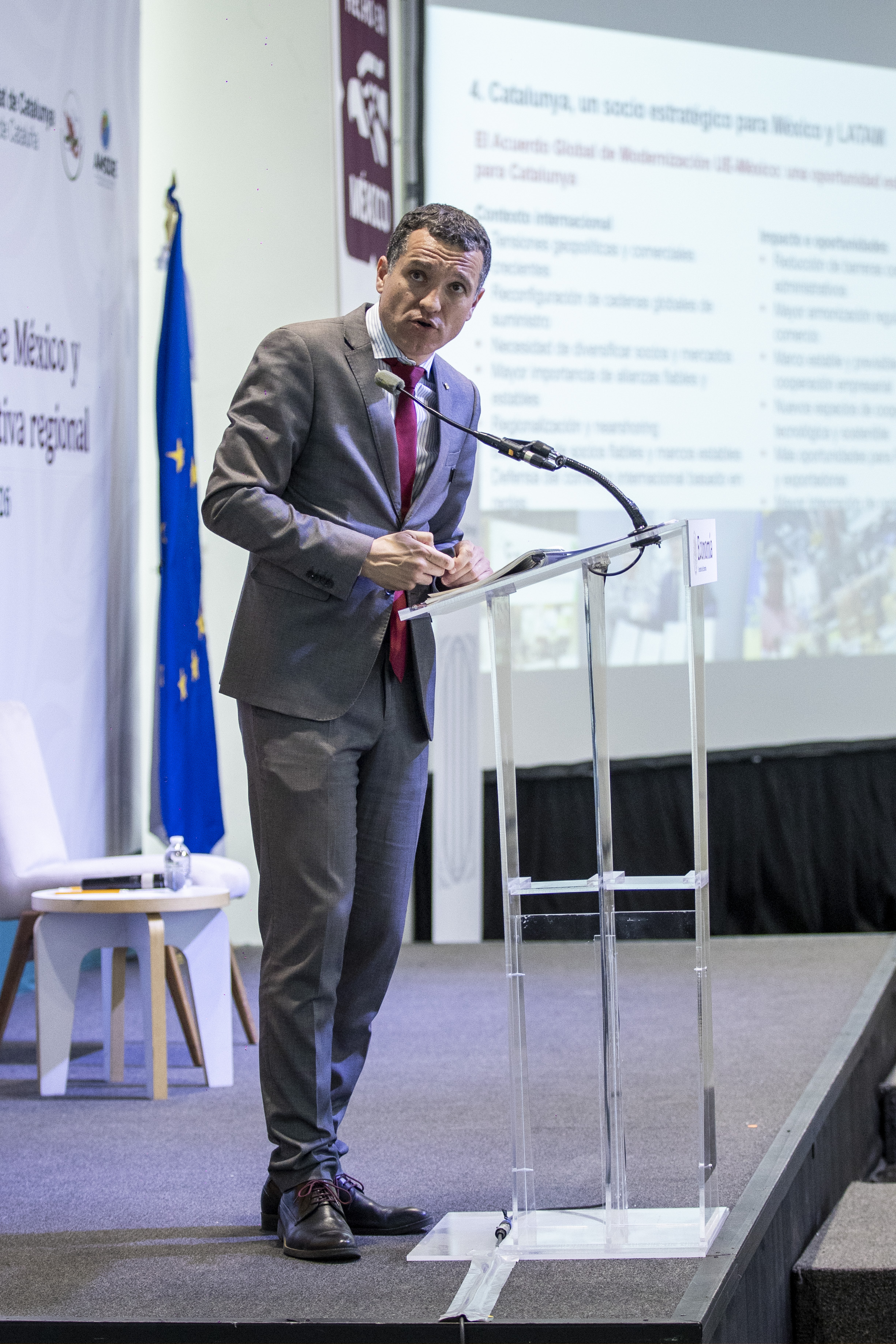
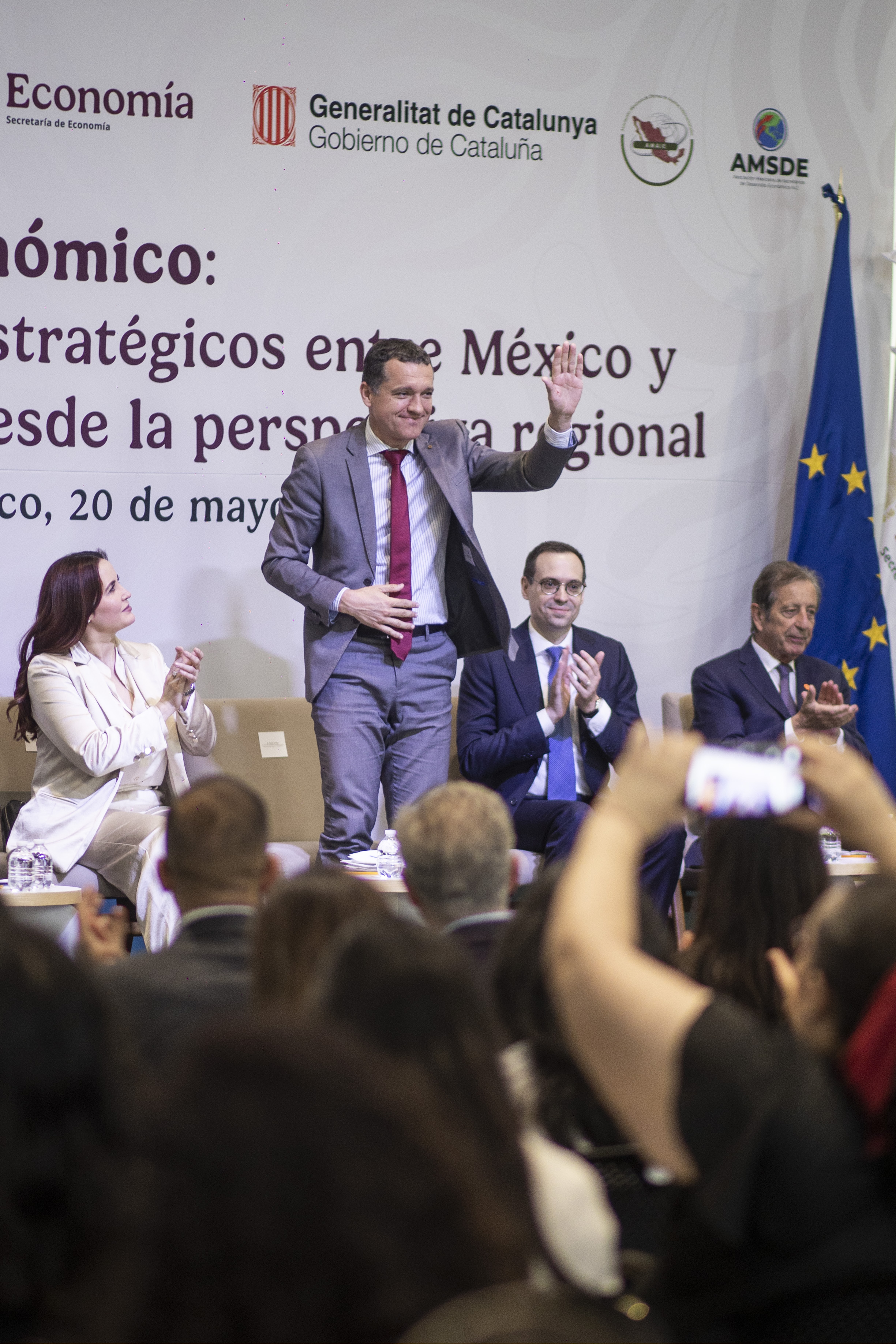
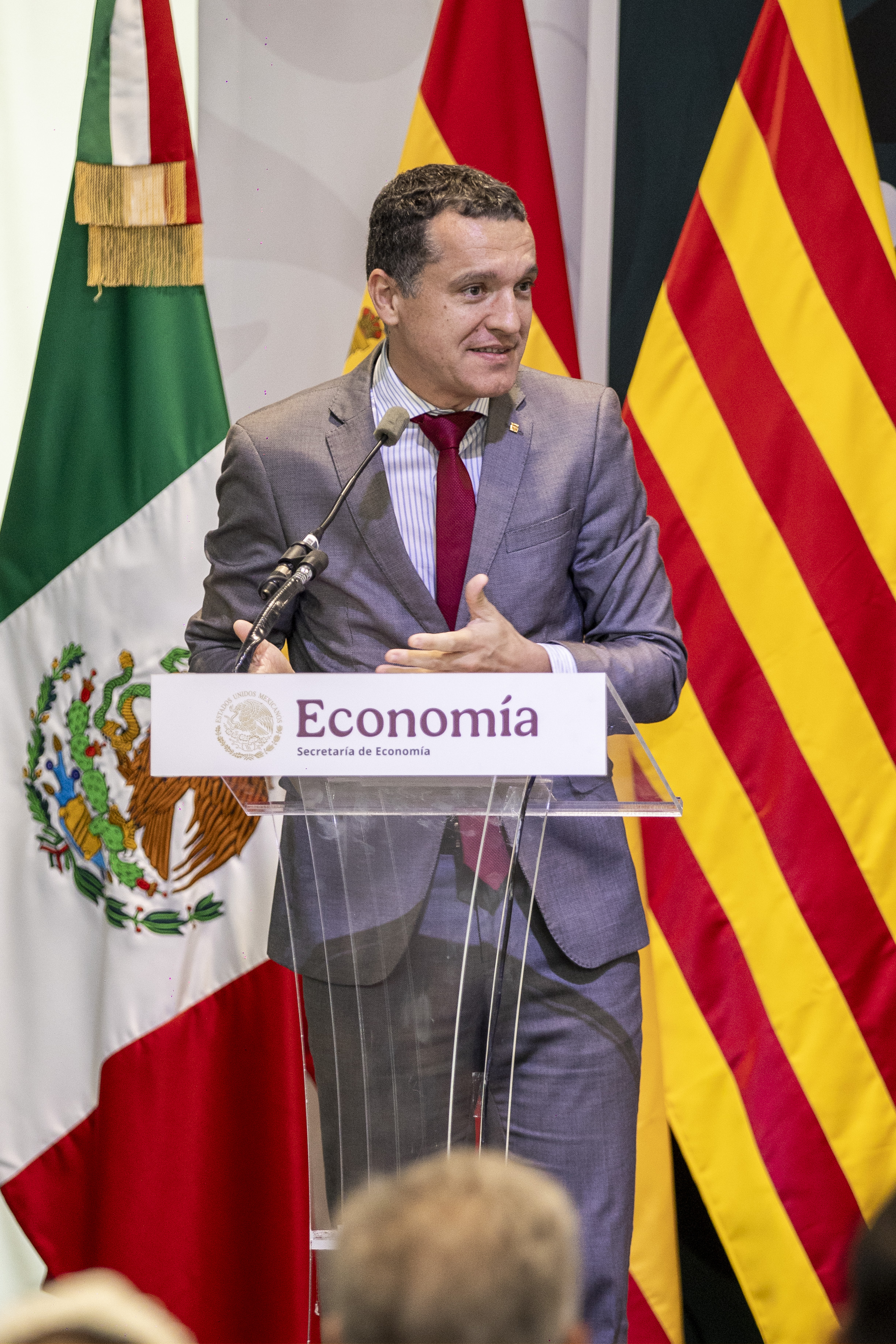
“In Catalonia we see this agreement as a clear commitment to multilateralism, to open trade and to an international economy based on shared rules, legal stability and cooperation between territories”, said Ordeig.
The Minister stressed that the new agreement “can accelerate this dynamic even further”, not only by opening up opportunities for European products in the Mexican market, but also by “strengthening a more balanced, diversified and mutually beneficial trading relationship”.
In the agri-food field, Ordeig noted that the agreement will remove practically all tariffs on European agri-food products and ease access to the Mexican market for strategic sectors such as olive oil, wines and sparkling wines, processed products and various high value-added gourmet products. The Minister also stressed that modernising the agreement will help reduce non-tariff barriers, streamline health procedures and facilitate exports by small and medium-sized enterprises.
Finally, the Minister emphasised that the agreement “fully preserves the ability of both parties to maintain and strengthen their health, environmental and food safety standards”. He insisted that “opening up trade does not mean giving up the right to regulate, nor an automatic lowering of standards”, but rather recognises the power of both Mexico and the European Union to protect health, the environment and consumer safety.
Catalan participation in the forum also included an address by the Secretary General for Agriculture, Cristina Massot, at a working session on competitiveness, innovation and the development of agri-food value chains.
Institutional agenda with Mexican agri-food bodies and stakeholders
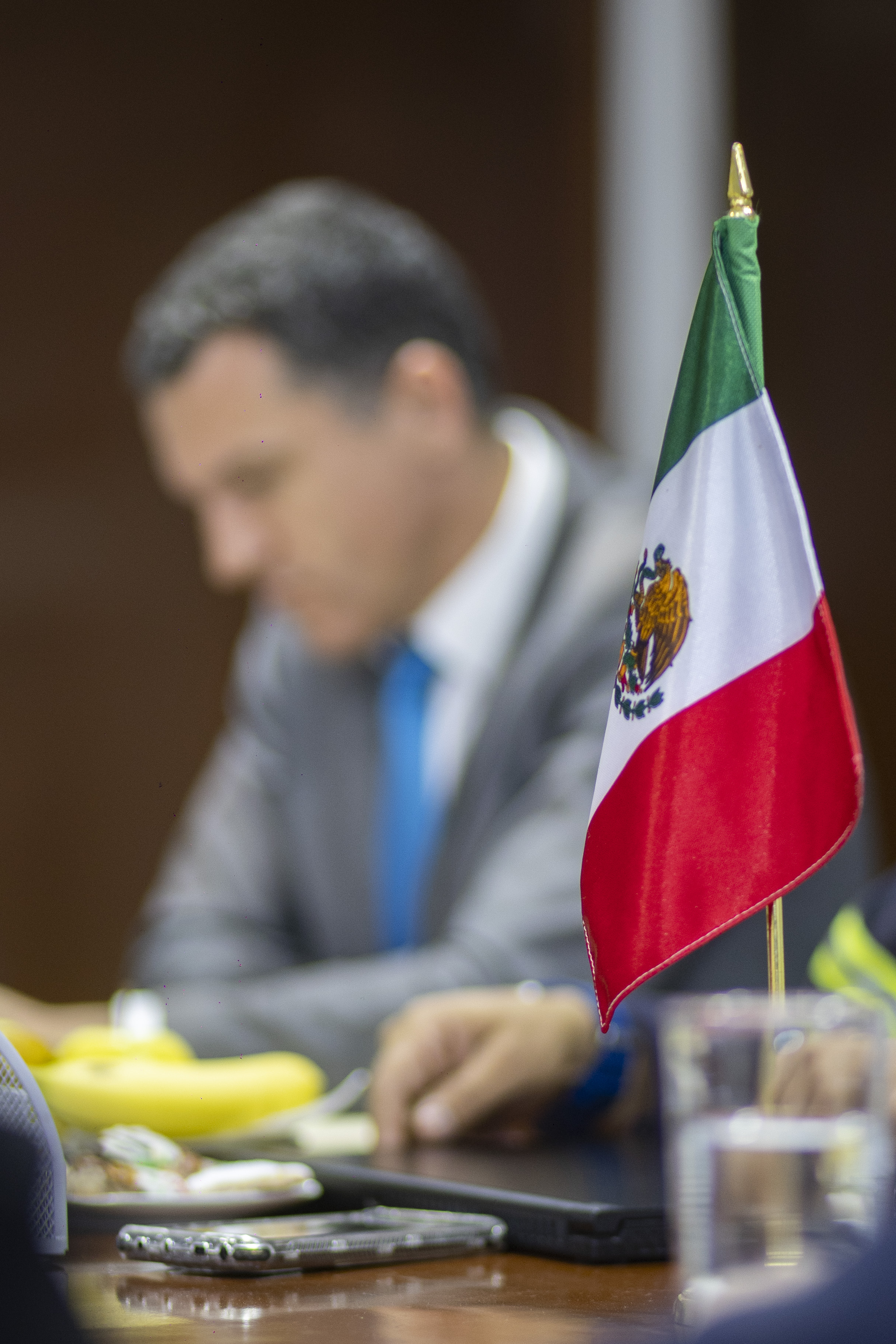
The institutional visit also served to strengthen direct dialogue with key institutions and bodies in the Mexican agri-food system. The Catalan delegation held meetings with officials from the National Service for Agri-Food Health, Safety and Quality (SENASICA), Mexico's leading animal and plant health authority, discussing matters relating to health and agri-food safety procedures and sharing Catalonia's experience in tackling African swine fever.
Meetings were also held with the National Institute of Forestry, Agricultural and Livestock Research (INIFAP), aimed at exploring avenues of cooperation on forest management and strengthening synergies between research institutions to advance sustainable policies and the bioeconomy.
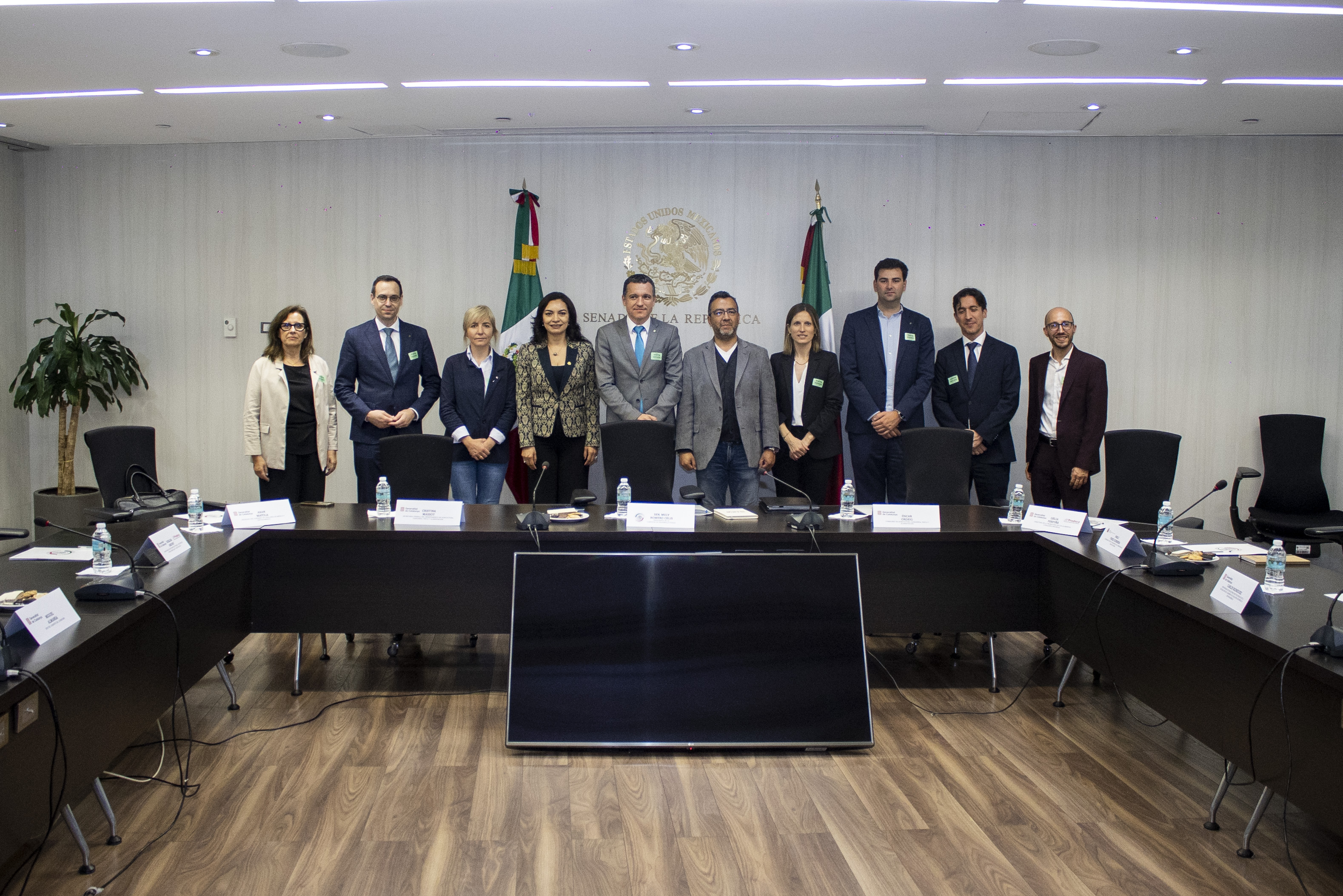
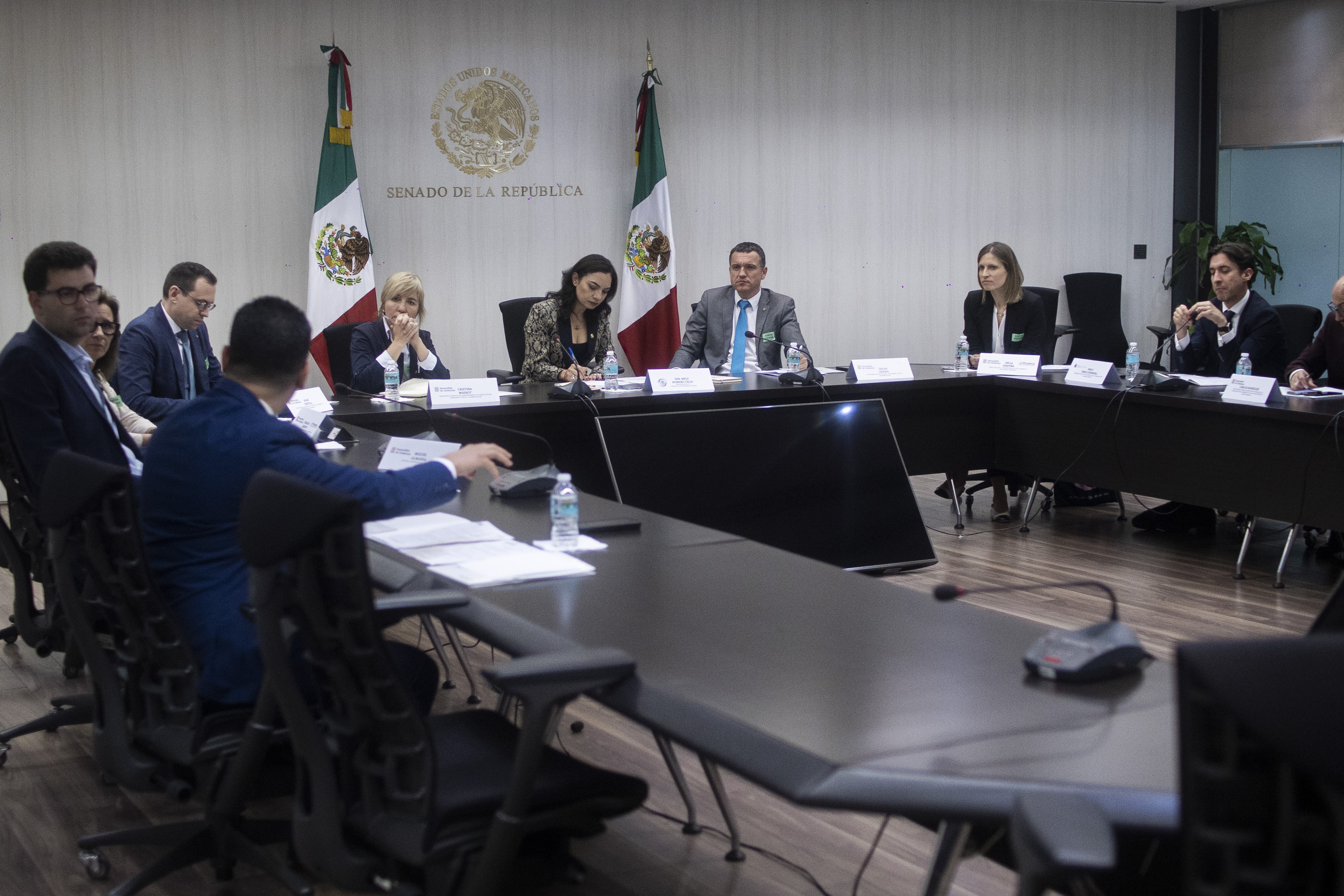
During the visit, the Catalan delegation also met representatives of the Inter-American Institute for Cooperation on Agriculture (IICA), the Catalan Business Club and institutional representatives of the Senate of the Republic of Mexico.
As part of the trip to the state of Puebla, Minister Ordeig also met representatives of the state Government, including the Secretary for Rural Development, Ana Laura Altamirano, and the Secretary for Economic Development and Labour, Víctor Gabriel Chedraui, with whom avenues of institutional and economic collaboration linked to the agri-food sector were discussed.
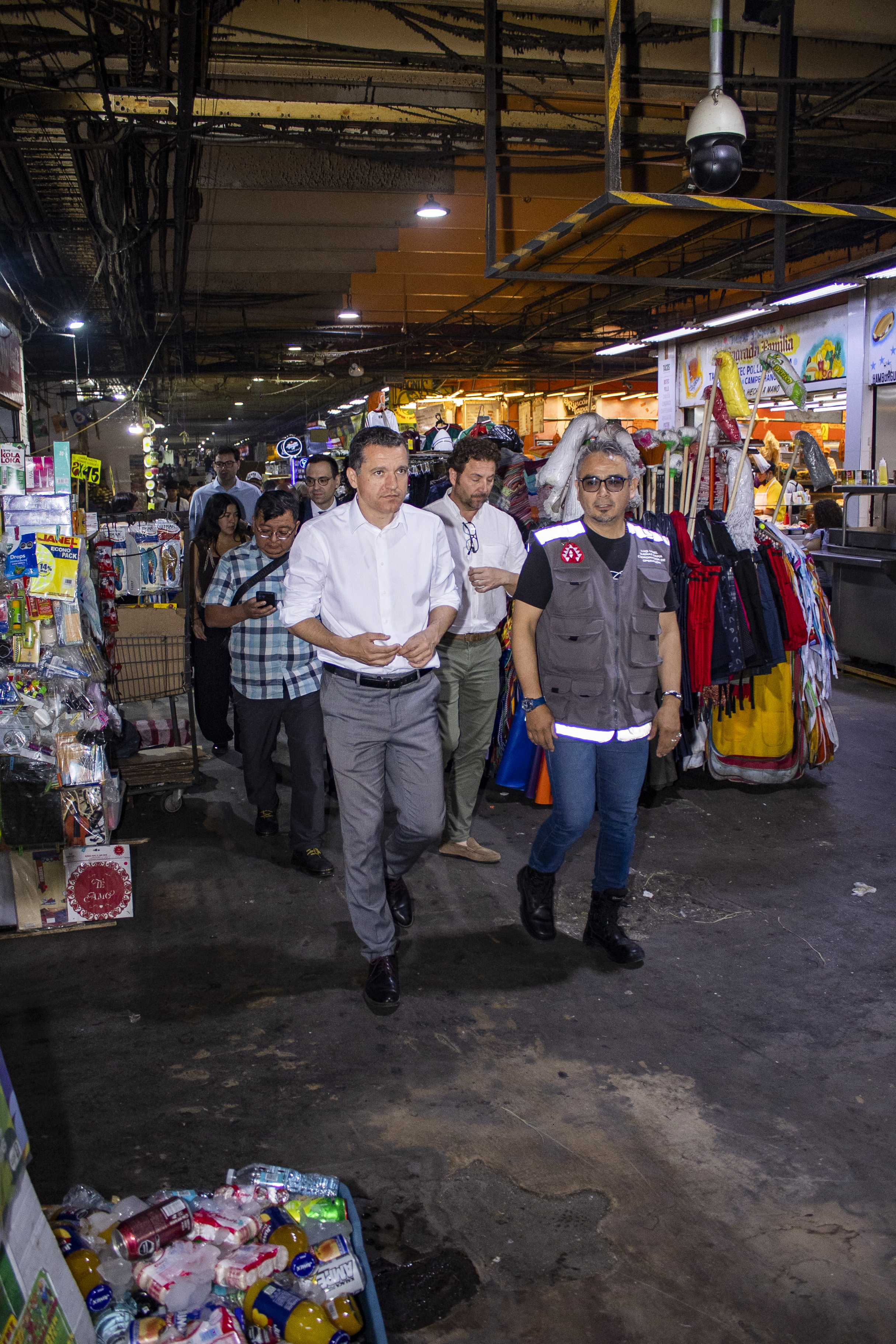
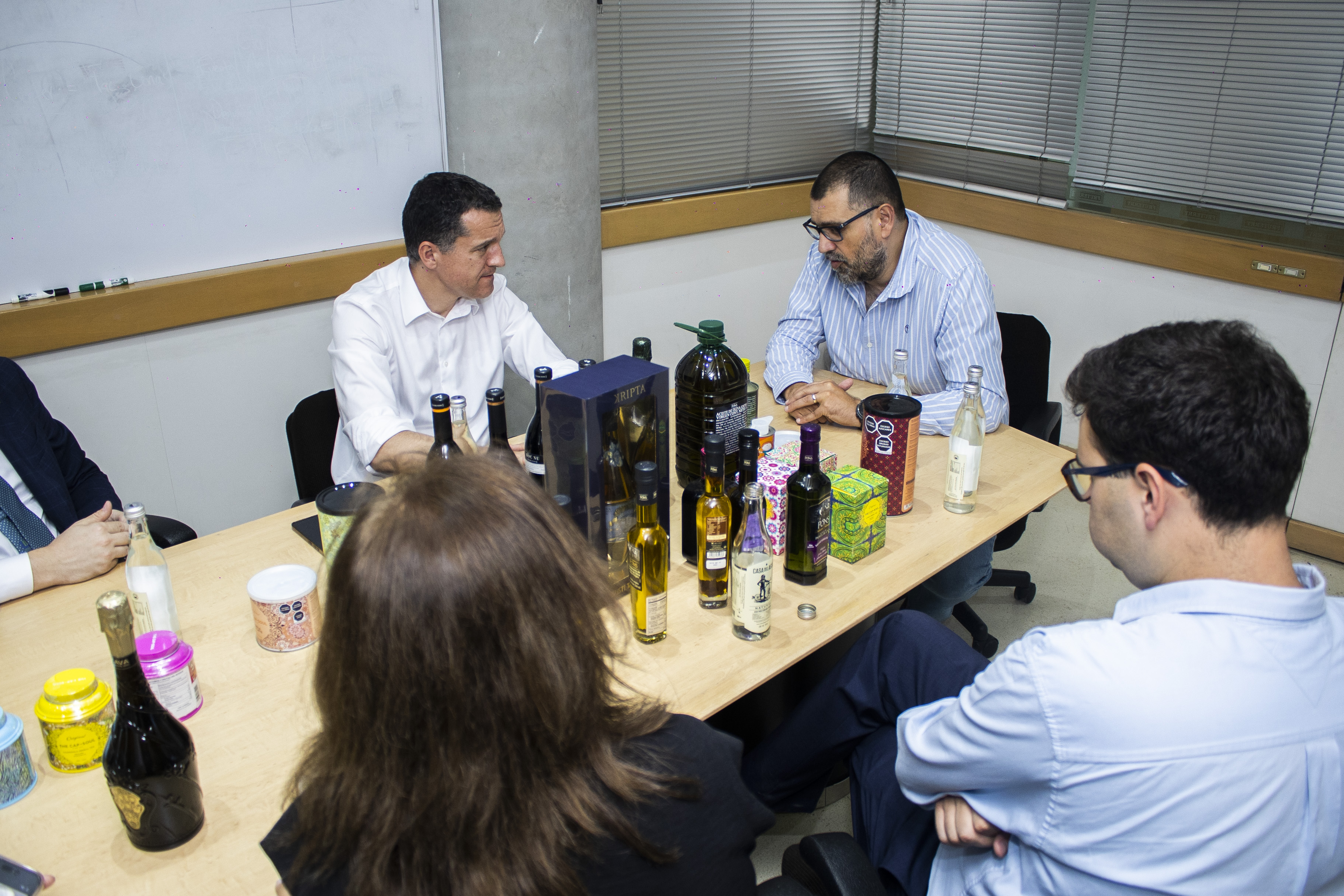
The institutional agenda also included meetings with officials from the Central de Abasto in Mexico City, the country's main agri-food wholesale market and one of the largest in the world, as well as with companies importing and distributing Catalan products such as Grupo Abascal.

Mexico consolidates its weight in Catalan agri-food exports
Mexico has established itself as the main destination for Catalan food and drink in Latin America and one of the leading international markets for the Catalan agri-food sector outside the European Union.
Catalan agri-food exports to the country exceeded €185M in 2025, growing by 15.8% in value on the previous year. At present, 423 Catalan companies export food and drink to Mexico, 120 of them regularly.
Export growth in recent years has been particularly linked to processed and higher value-added products. The fine food segment is currently the main export driver, with notable increases in categories such as beverages, ready meals, confectionery and snacks.
Sectors such as wine and sparkling wines, meat products and olive oil also maintain a significant presence, amid the growing establishment of Mediterranean and gourmet products among Mexican urban consumers.
With 132 million inhabitants, Mexico is Latin America's second-largest agri-food market and the ninth largest in the world in terms of food consumption.The expansion of modern distribution channels, the growth of the premium segment and the digitalisation of food retail are driving demand for quality imported products.
In this context, the Department of Agriculture and Prodeca maintain an ongoing strategy of support for the internationalisation of Catalan companies in the country, with promotional activities, business meetings and commercial positioning initiatives.

05.06.26
Prodeca rolls out a campaign in Mexico to position Catalan produce
Catalan Food PRISSA includes promotional corners, tastings and samplings in PRISSA chain supermarkets and a Catalonia Menu in the group's restaurants. 21 Catalan companies promoting more than 100 gourmet product lines throughout May across
03.04.24
Catalan food takes centre stage at La Naval's stores (Mexico)
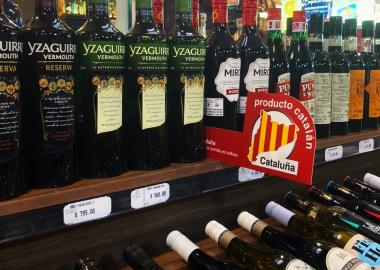
March is the month of Catalan produce in Mexico. Over the coming weeks PRODECA and the Catalan Delegation to Mexico are running a point-of-sale promotion at La Naval, a Mexican chain of specialist gourmet shops.