


DO Pla de Bages
DO Pla de Bages Regulatory Council
Address: Casa de la Culla s/n
08243 Manresa (Barcelona)
Telephone: (+34) 93 874 82 36
E-mail: info@dopladebages.com
Website: dopladebages.com
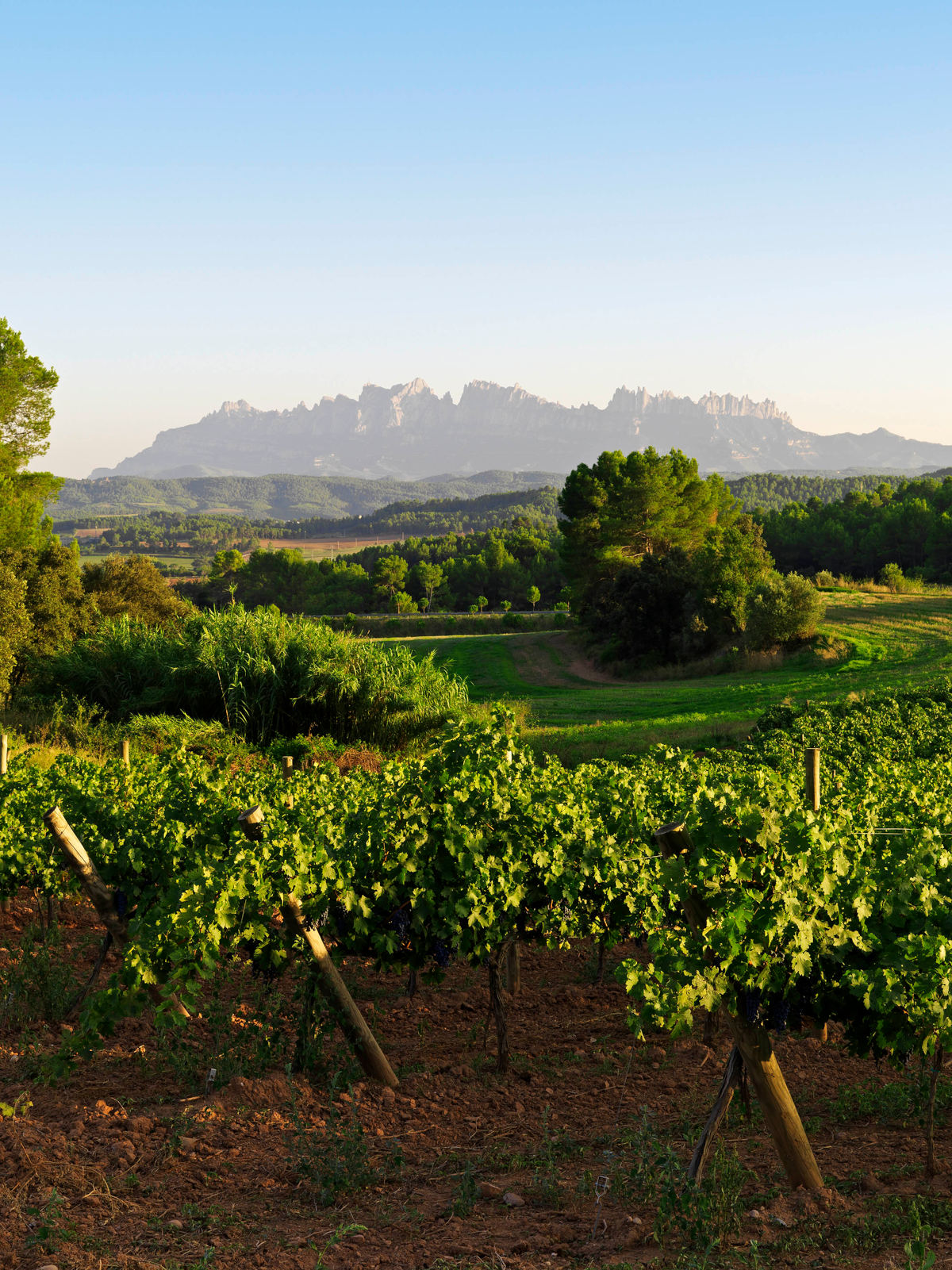
The Picapoll grape, the characteristic white variety of this DO, has been reintroduced since it was established in 1995.
The climate is harsh in this inland and mid-mountain area, without the moderating influence of the sea, resulting in slow ripening and high concentration in the grapes.
It is thought that the name Bages comes from Bacchus, the Roman god of wine.
The first evidence of wine production in Bages, which lies in the middle of Catalonia at the eastern end of the Catalan Central Depression, was found on the archaeological site of La Feliua (Sant Fruitós de Bages), where a large stone on the ground was discovered that would have been the base of an ancient press dating back to the 4th or 5th century, towards the end of the Roman era. When the Roman Empire fell and Muslims invaded, many people left the land and agriculture ground to a halt.
It was not until the 10th century that the Monastery of Sant Benet de Bages began cultivating vineyards again in its area of influence. Wine-making was one of the main economic activities until the end of the 19th century, when the arrival of the phylloxera plague caused a downward turn that had almost wiped it out by the late the 20th century.
In 1983, Valentí Roqueta founded the Abadal winery in the family farmhouse in Santa Maria d’Horta d’Avinyó. He spearheaded the creation of the DO, which was finally approved in 1995 and which Roqueta chaired until 2015. There are currently 15 registered wineries and 500 hectares of registered vineyards.
Reintroducing autochthonous varieties
When the DO was established, much effort went into reintroducing the almost extinct local white grape variety Picapoll to give the DO its own identity. Today, however, several other red grape varieties that adapt very well to the extreme climate of the DO are being grown in addition to the Picapoll. Initially, the most common were the varieties of French origin that were then deemed the best, especially Cabernet Sauvignon and Merlot, but more recently there have been renewed efforts to reintroduce other local red varieties that had almost disappeared.
We can now find bottles of wines on the market made with the varieties Mandó, Picapoll Negre, Sumoll and Garnatxa Negra, which make softer wines than the French varieties, but have more personality and are better adapted to the local climate and land.
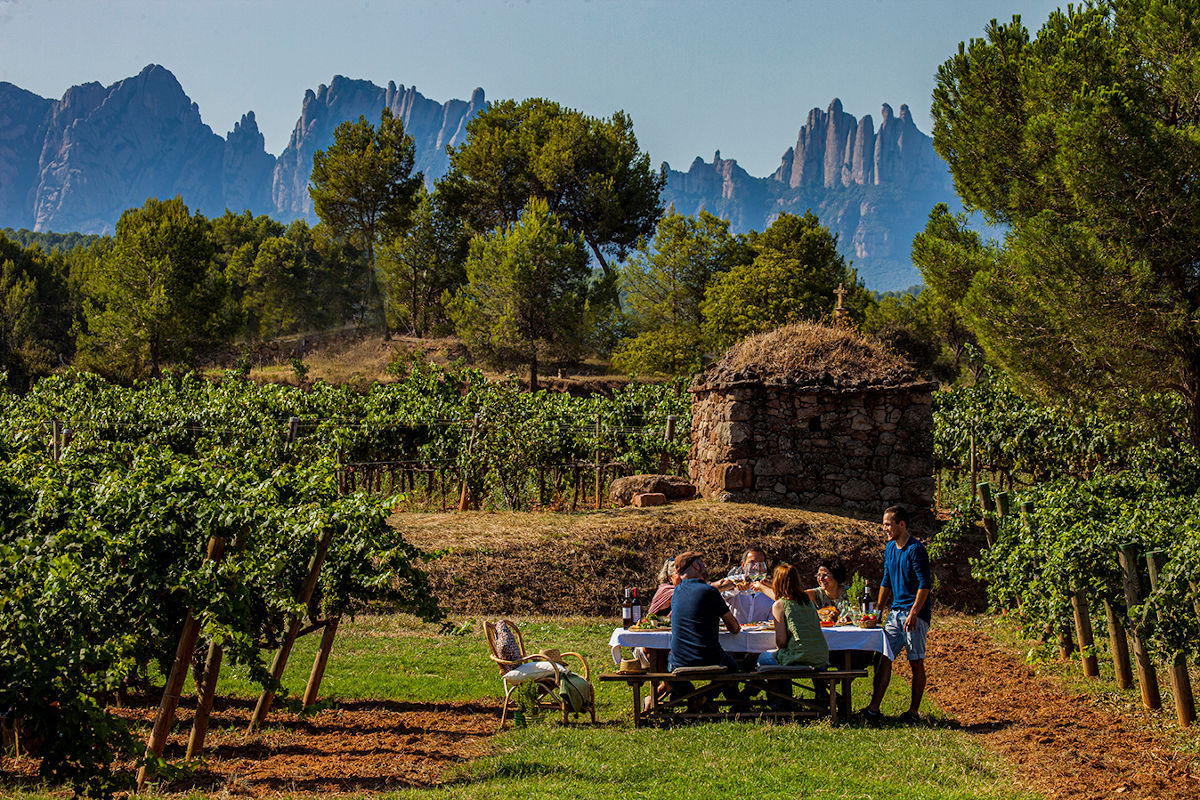
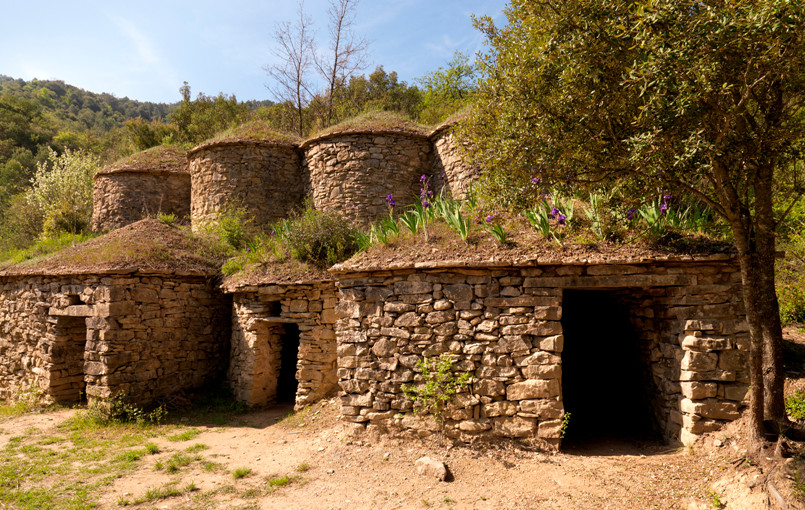
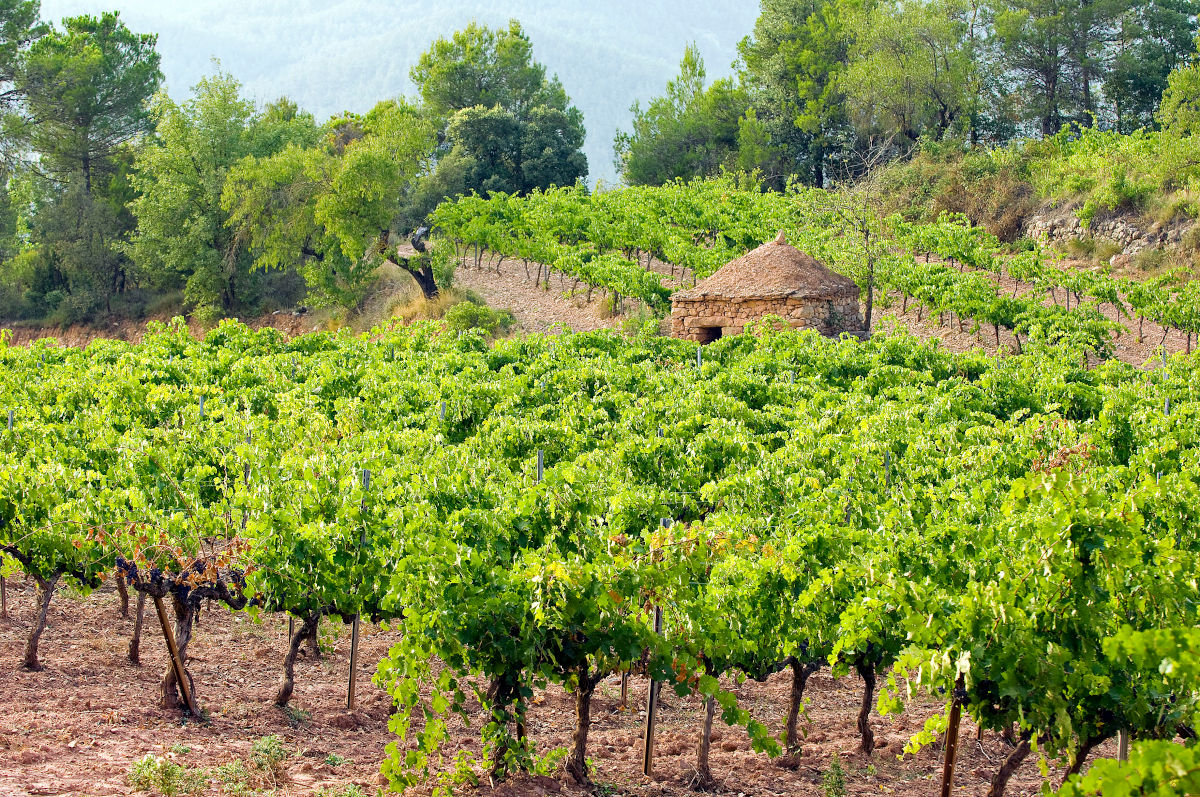
Dry-stone huts and vats in the vineyards, a unique historical heritage
Going back 150 years when vineyards practically covered the Bages region, the farmhouses were often such a long way from the fields that farmers would build dry-stone huts, which are now part of the local landscape. Perhaps even more spectacular are the large stone vats that were also built in the vineyards to crush the grapes there and avoid the difficulty, risks and additional cost of transporting them. They are found on the north-western slope of Sant Llorenç del Munt i l’Obac Natural Park, Valls del Montcau, Talaman, Mura and Pont de Vilomara i Rocafort, and are a unique example of the wine-making tradition of Pla de Bages.