


DO Costers del Segre
DO Costers del Segre Regulatory Council
Address: Complex Caparrella, 97
25192 - Lleida
Telephone: 973 264 583
E-mail: info@costersdelsegre.es
Website: http://www.costersdelsegre.es/
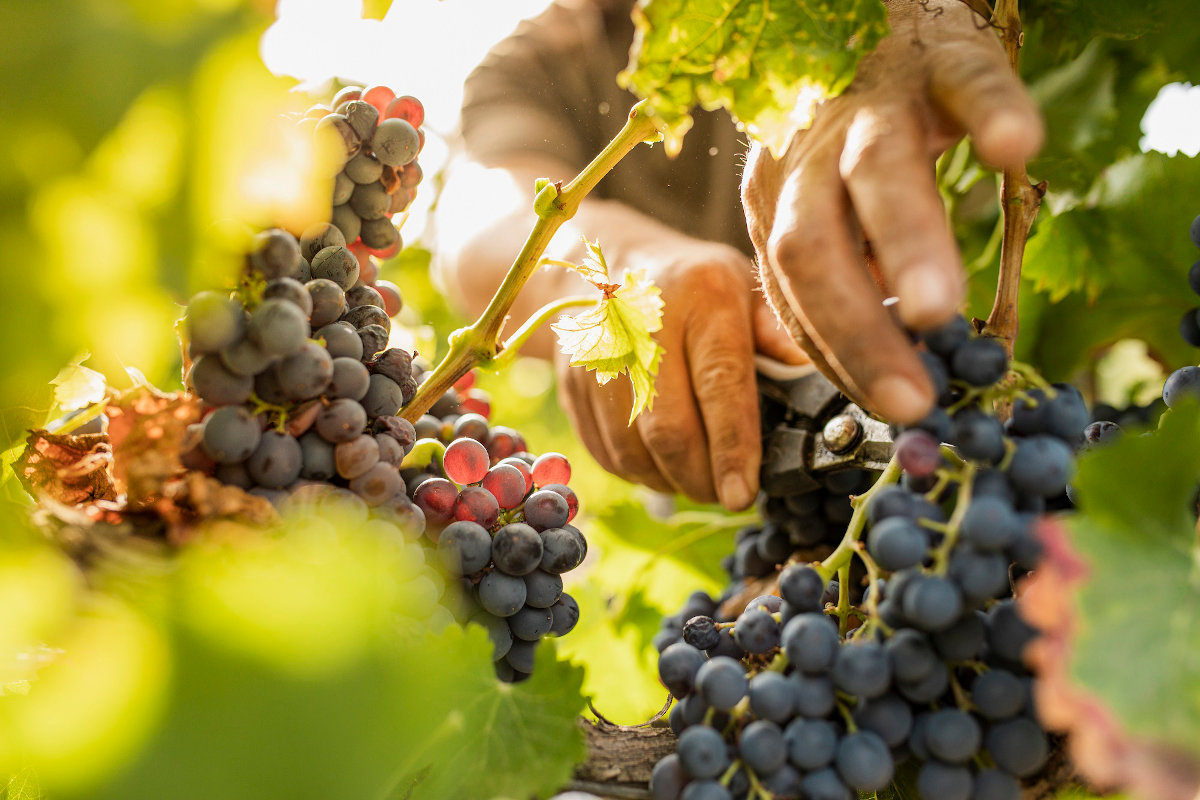
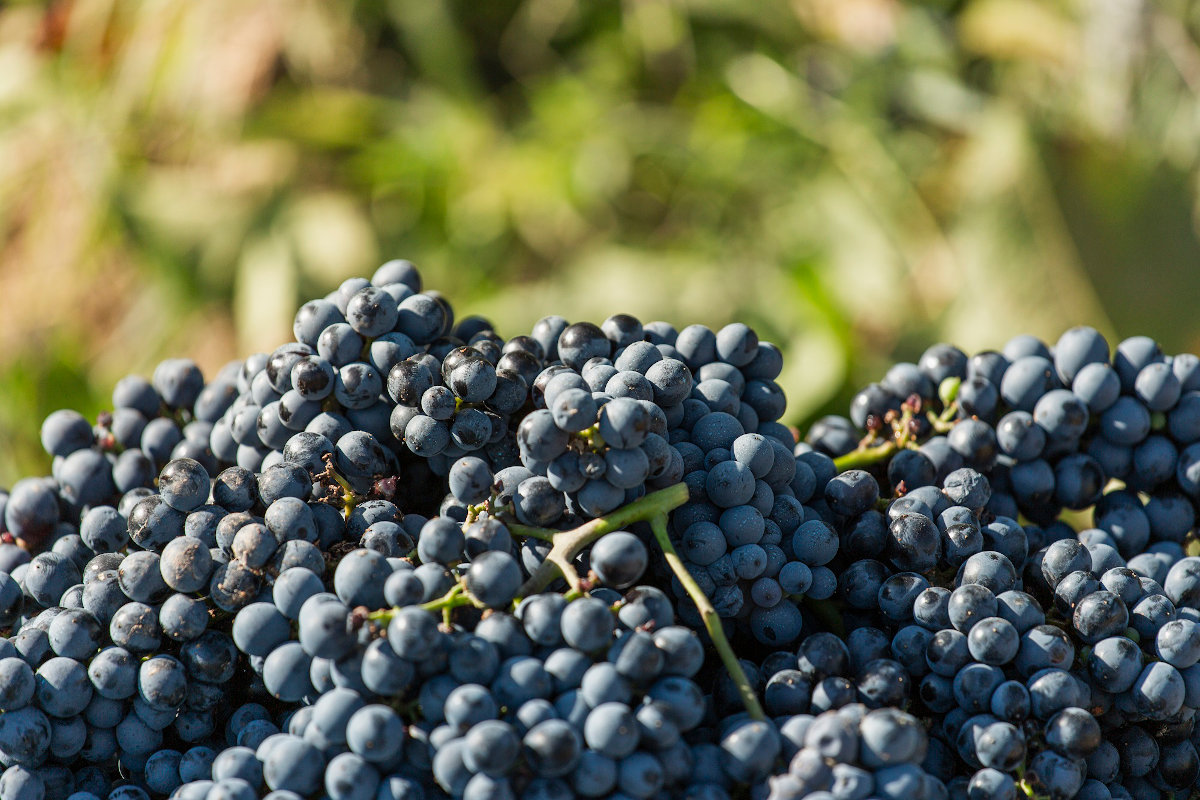
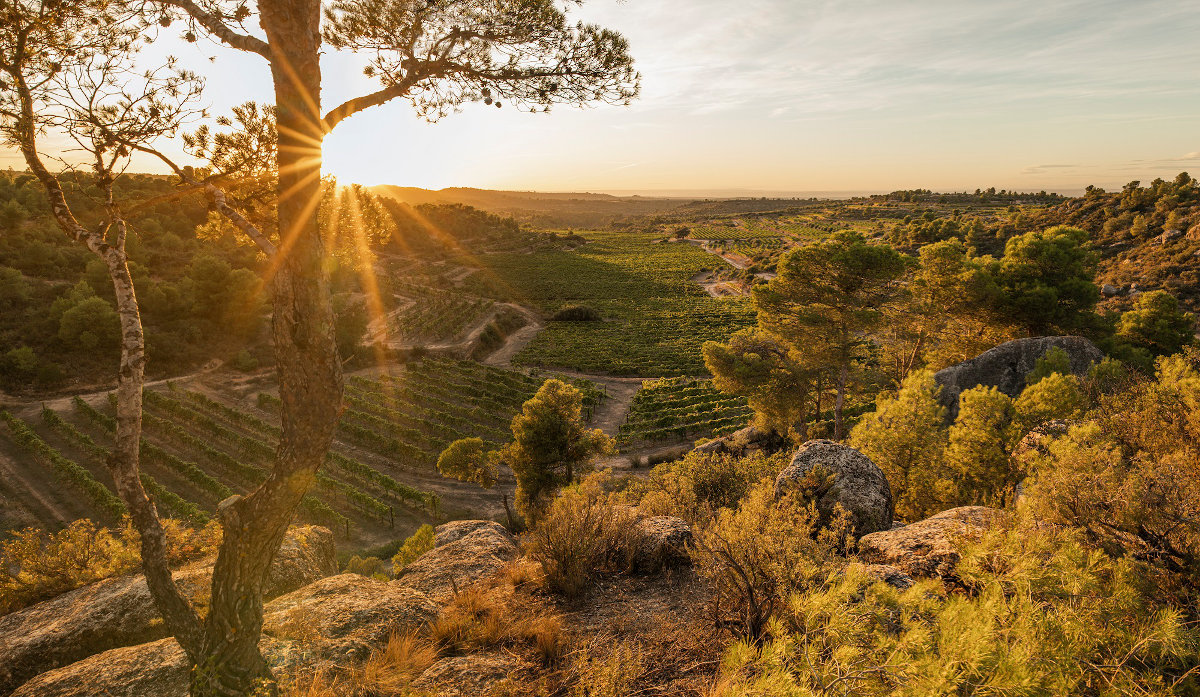
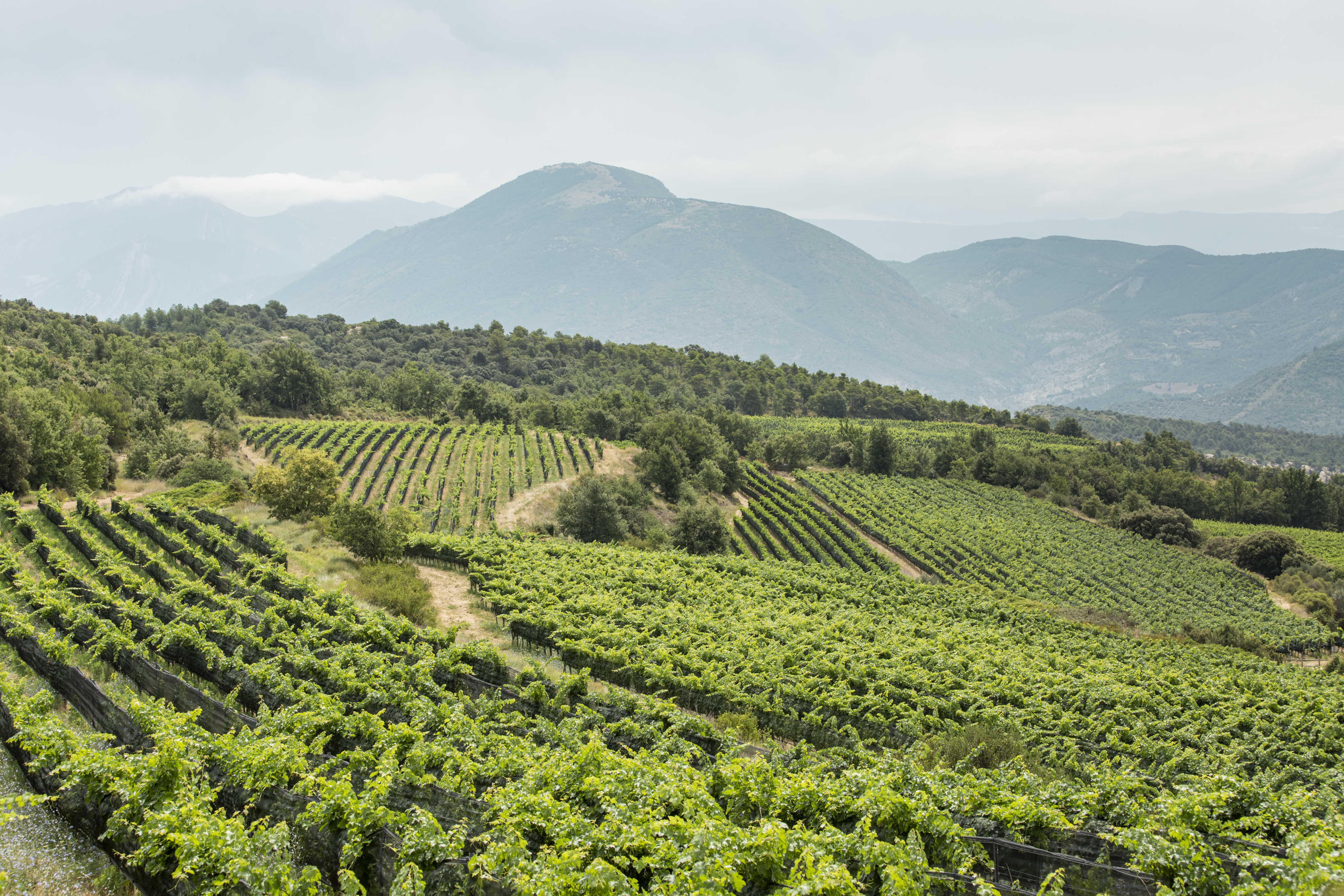
The DO Costers del Segre is a territory of great viticultural wealth in which you can find wines from seven different landscapes with a common origin: poor soils, a continental climate with a Mediterranean influence - ideal for the cultivation of the vine-.
Wines from the Pyrenees. The land surface where vines are cultivated is greater each year in Pallars, mainly due to climate change. Producers and consumers alike find the wines from the higher altitude of this DO height to be cooler as a result of the local chalky soil, height and temperature contrasts.
In 1914, a unique case of agrarian colonisation in 20th-century Europe began in Costers del Segre, on the Raïmat estate. The arrival of water via the new Aragon and Catalonia canal enabled wine-growing to begin on 3,500 barren hectares.
The DO Costers del Segre, whose historical background is the Castell del Remei winery, is divided over seven sub-areas: Raimat, Segrià, Pallars, les Garrigues, Vall de Riu Corb, Artesa de Segre and Urgell.
They range from areas with a continental Mediterranean climate in Raimat, which is dry, hard and almost desert-like and where it is essential to irrigate the vineyard, to fertile valleys such as Baldomar, irrigated by the River Segre and sheltered from the wind by the Montsant mountain range, as well as mountain climate areas in the Pallars foothills of the Pyrenees.
The modernity of the wineries and the wines made thereStands out . This is despite the fact that Castell del Remeï is the pioneering winery in Catalonia in the production of bottled aged wines: since it was founded in 1780 and especially between 1889 and 1950, it has been a leader in the production of quality wines throughout Spain, to the point that only Viña Tondonia was comparable in prestige.
Agrarian colonisation in 20th-century Europe
In 1914, Manuel Raventós from Can Codorníu, another illustrious figure in Catalan wine history, had a decisive impact on the history of this DO He bought 3,200 barren hectares and gradually transformed it into cultivated land with the water brought by the new Aragon and Catalonia canal. It was a unique case of agrarian colonisation in 20th-century Europe and with 1,700 hectares of vineyards, it is still the largest single-owner vineyard in Europe.
To complete the transformation, Raventós had 100 km of ditches built to take water from the canal to the lands of Raimat. To reduce salinity, he also planted 50,000 trees, mostly poplars, which rose in number to a million in just a few years. A curious fact is that when these trees were replaced by vineyards once the land was suitable for growing them, they were used to make the wooden boxes that for many years characterised the packaging of Codorniu cavas. To house the workers on the estate, Raventós even had to build an entire village: Raimat.
The DO Costers del Segre currently produces aged red wines made from the international varieties Cabernet Sauvignon and Merlot, as well as local varieties such as Tempranillo and Garnatxa, and white wines with the varieties Chardonnay, Macabeu, Xarel·lo and Parellada, among others.