


03.25.26
The 4th International Halal Congress consolidates Barcelona as a business and knowledge platform for the halal segment
The 4th International Halal Congress has established itself as a strategic meeting point for the agri-food sector within Alimentaria 2026, held in Barcelona. The event brought together institutional representatives, companies and experts to discuss this segment's growth dynamics and their impact on agri-food internationalisation.
Organised by Barcelona Halal Services with the collaboration of Prodeca, the congress focused on the role of halal as a driver of transformation in the global market. Prodeca had a prominent presence, both institutionally and technically, reinforcing its role as a body supporting the Catalan sector's overseas trade.
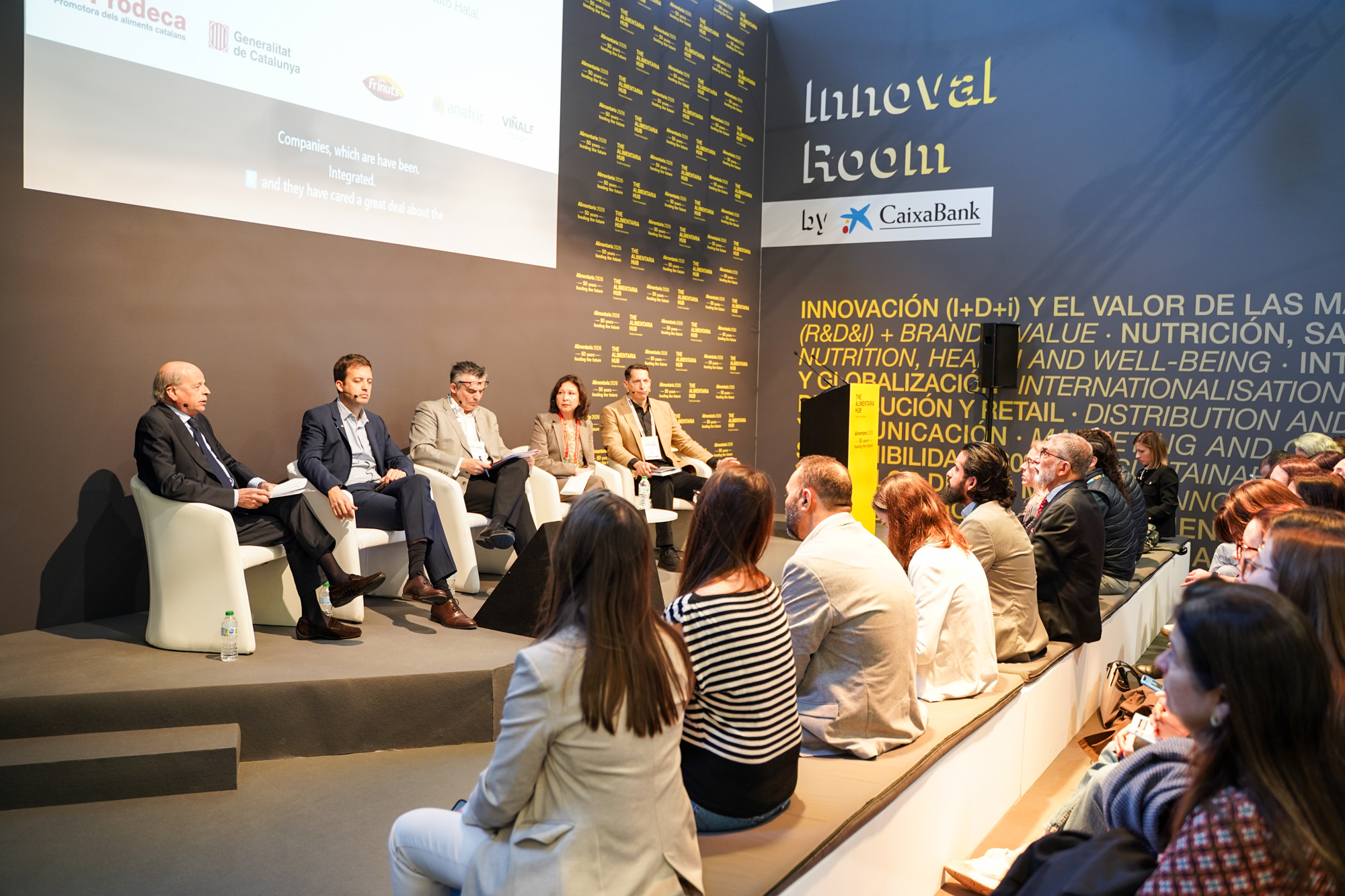
The session took place at The Alimentaria Hub and was structured around talks, round tables and gastronomic sessions, with the aim of providing applied knowledge for business decision-making.
A global market in sustained expansion
The congress showed that the global halal market continues on a path of sustained growth, driven by demographic and economic factors. This segment currently exceeds one trillion euros worldwide and is expected to keep expanding in the coming years.
The Muslim population already exceeds 1.9 billion consumers, with significant growth forecast to 2.2 billion by 2030, consolidating halal as one of the major drivers of global food consumption.
In Europe, the growth in this demand is particularly significant. The Muslim population accounts for around 8% of the total and continues to rise, with direct implications for the development of new products, distribution channels and commercial strategies.
This context has reinforced the idea that halal is not a niche segment but a structural factor in the food market, with cross-cutting impact across multiple categories: from meat to processed products, beverages and functional foods.
Catalonia, positioned as a European hub for halal food
At the opening session, the managing director of Prodeca, Dèlia Perpiñà, stressed that «the halal segment has become one of the growth drivers of the global agri-food system» and highlighted Catalonia's position in this field.
As she explained, the region has a solid agri-food ecosystem, with companies that have made halal part of their international expansion strategy. Factors such as production capacity, certification, traceability and export experience make Catalonia a significant player in this market.
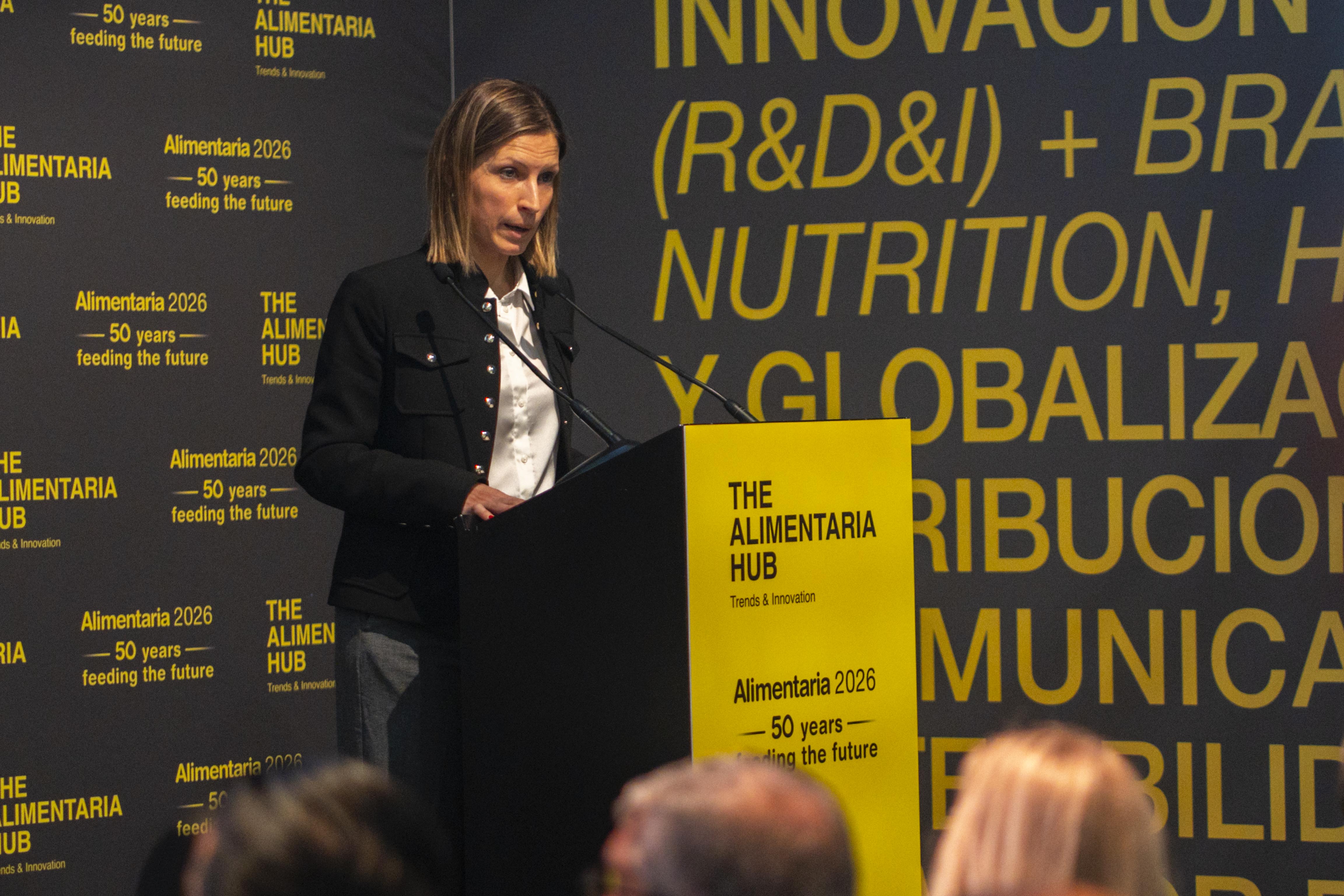
The congress therefore served to strengthen Catalonia's role as a European hub for halal food, with the capacity to generate value, innovation and trust in international markets.
Innovation and diversification: key drivers of halal growth
One of the congress's central sessions was the round table on innovation and diversification in the halal segment, featuring Susanna Barquín, head of the meat and halal sector at Prodeca.
In her address, Barquín emphasised that halal should be understood not merely as a certification but as an element driving business transformation. She highlighted how halal requires companies to review processes and strengthen traceability, and acts as a cross-cutting quality standard, referring to the clear market and end-consumer orientation it demands of businesses.
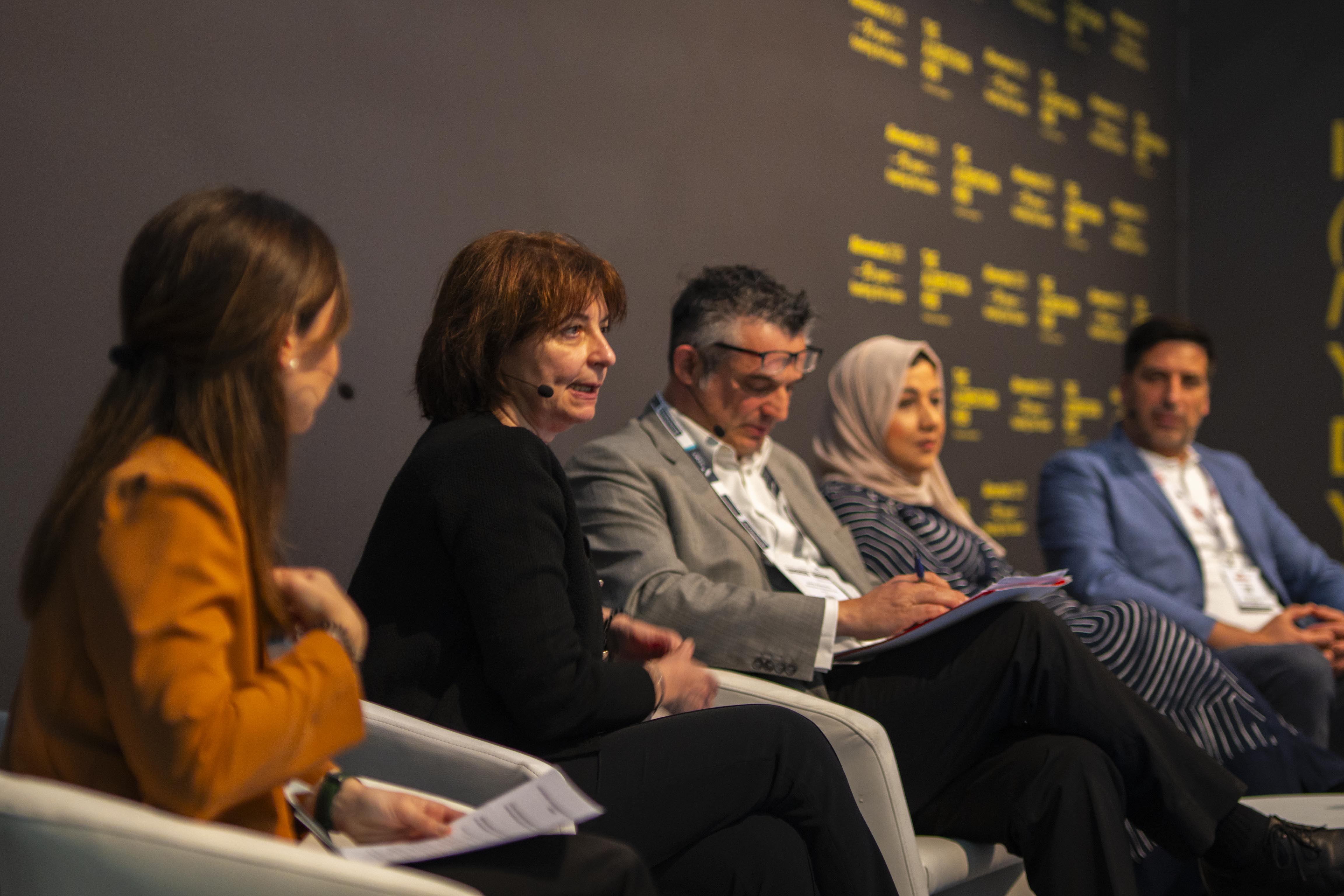
She also noted that the halal segment is aligned with global trends such as clean label, sustainability and animal welfare, which broadens its potential beyond Muslim consumers.
This view reinforces the idea that the halal segment is a lever for international competitiveness, especially for companies seeking to enter highly demanding markets.
The meat sector and changing demand
The congress also addressed the role of the halal meat sector, which remains one of the main categories within this segment.
The session devoted to this field highlighted the sustained growth in demand for quality products, as well as the need to adapt the offer to new, increasingly demanding consumer profiles.
Participating companies such as Viñals and Adam Foods explained how halal has gone from being a complementary business line to representing a significant share of their turnover, demonstrating its potential as a growth driver.
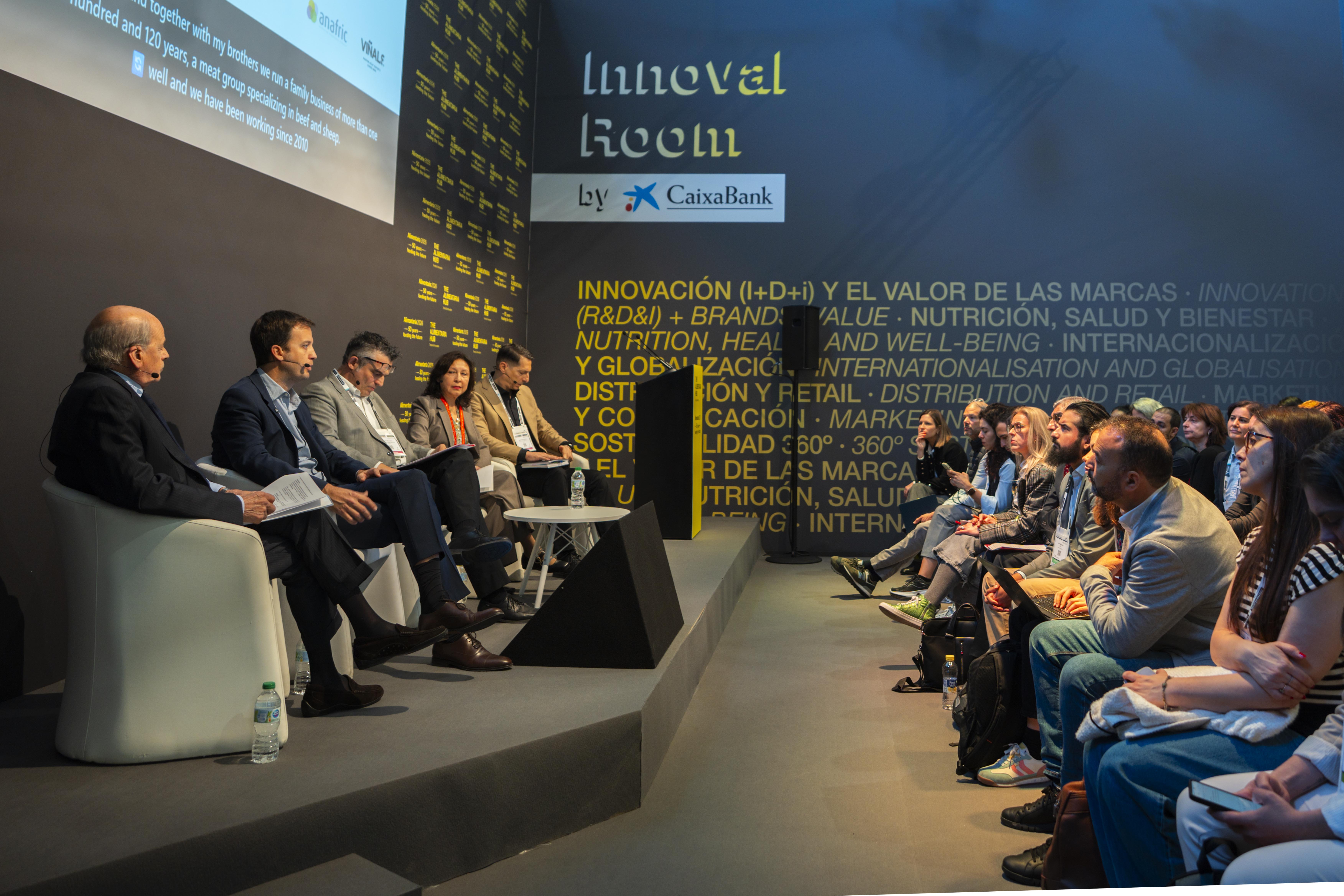
It was also noted that rising purchasing power in several Muslim markets is boosting consumption of animal protein, especially in African and Middle Eastern countries.
Market intelligence: focus on the United Kingdom, Indonesia and Spain
The congress programme also included country-business round tables focusing on strategic markets such as the United Kingdom, Indonesia and Spain.
These sessions provided practical information on consumption trends, regulatory requirements and import dynamics.
The aim was to provide concrete tools for companies looking to start or consolidate their presence in these markets, reinforcing the congress as a space for applied, business-focused knowledge.
Gastronomy and culture: Catalan cuisine in halal form
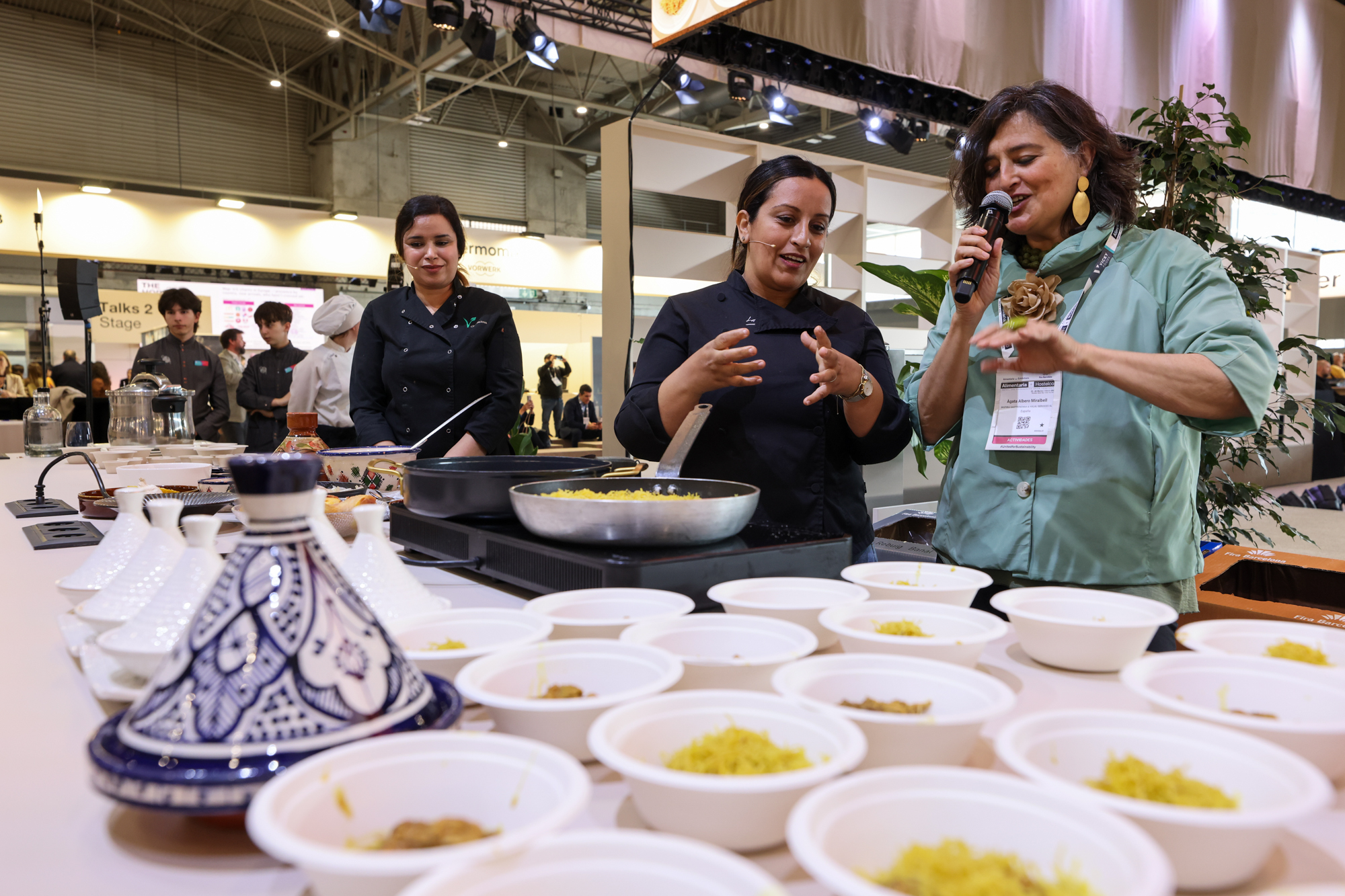
The congress also included a gastronomic dimension with showcooking sessions, notably the halal Catalan cuisine showcooking organised by Prodeca with chef Tomás Brull, of La Cala Navega.
In this session, Prodeca's Sector Solutions technician Kamel Jalloul stressed that halal is not a specific cuisine, but a way of working with products based on criteria of quality and trust.
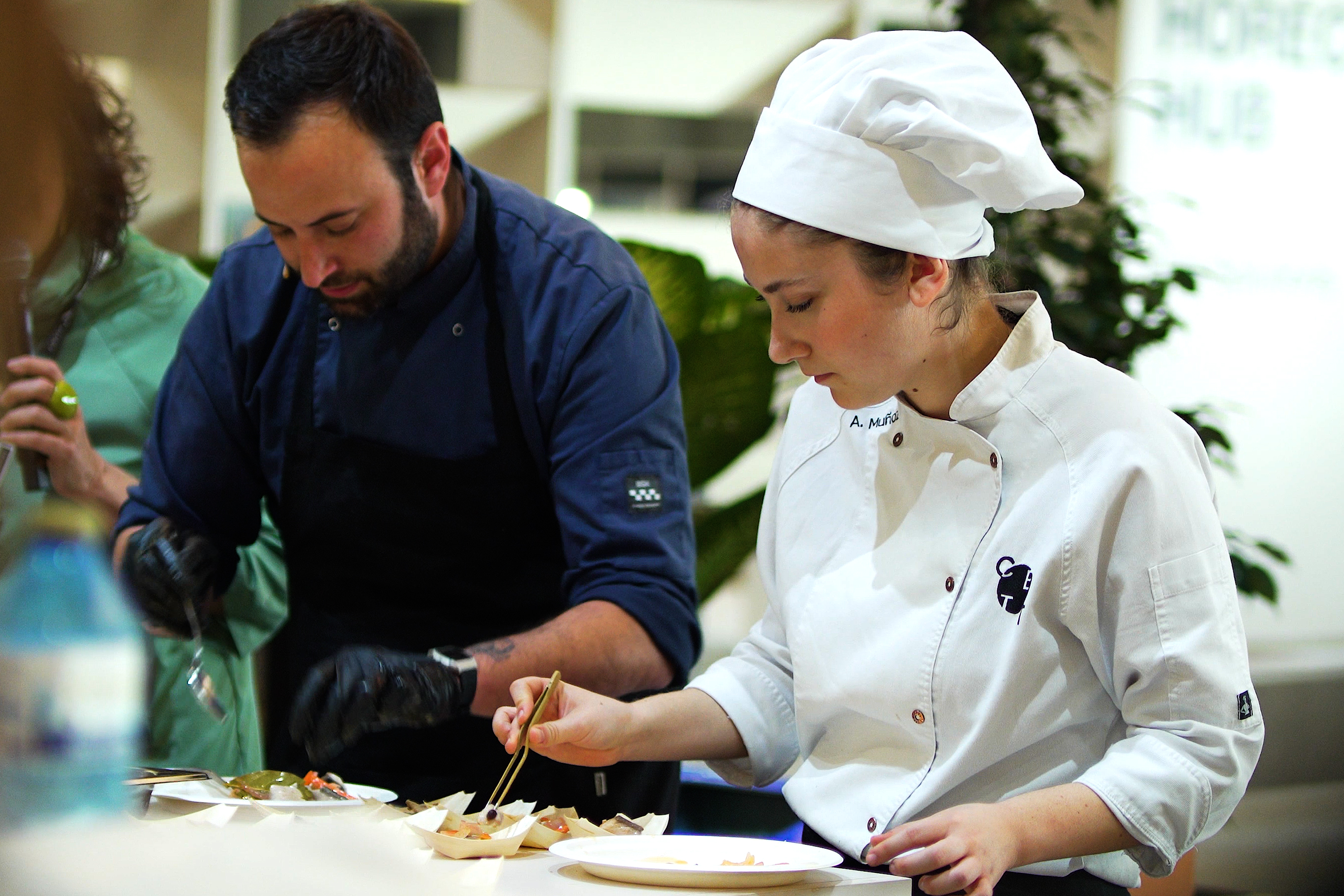
The session highlighted the ability to adapt traditional Catalan dishes — such as canelons or esqueixada — to halal requirements without losing identity or authenticity.
This approach reinforces the role of gastronomy as a positioning tool and as a vehicle for bringing the product closer to the end consumer.

12.09.19
Catalonia boosts its presence on halal markets with top-quality products
The value of Catalan agri-food exports has risen sharply in that part of the world due to the increasing penetration of products such as meat, fruit and vegetables, cereals, coffee, tea, spices, fish, patisserie products, and beverages.


02.16.20
The halal segment, a future opportunity for Catalan companies - Zakira Seyda
The halal market is estimated to be growing at 6.2% a year. Zakira Seyda, an auditor at Halal Certification Services, takes us through the keys to this market segment.