


DO Catalunya
DO Catalunya Regulatory Council
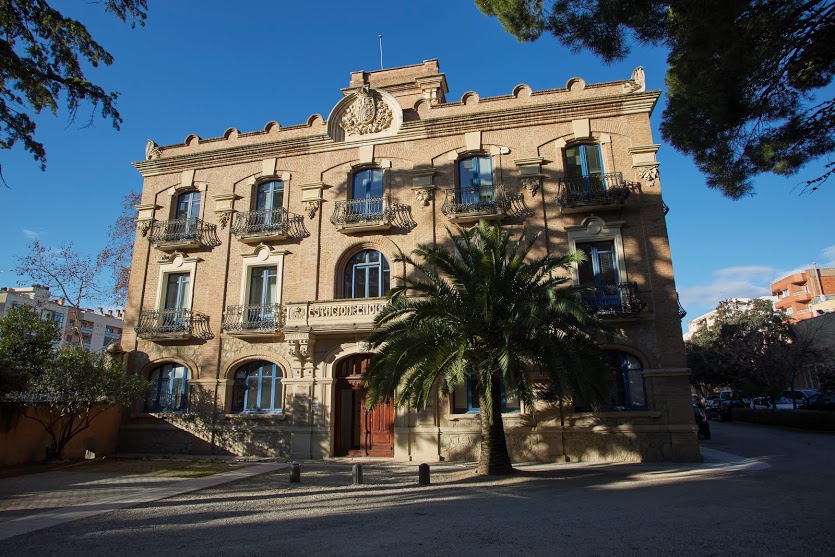
Address: Edifici de l'Estació Enològica, Passeig Sunyer 4-6 1er.
43202 Reus
Telephone: 977 328 103
E-mail: premsa@do-catalunya.com
Website: https://docat.cat
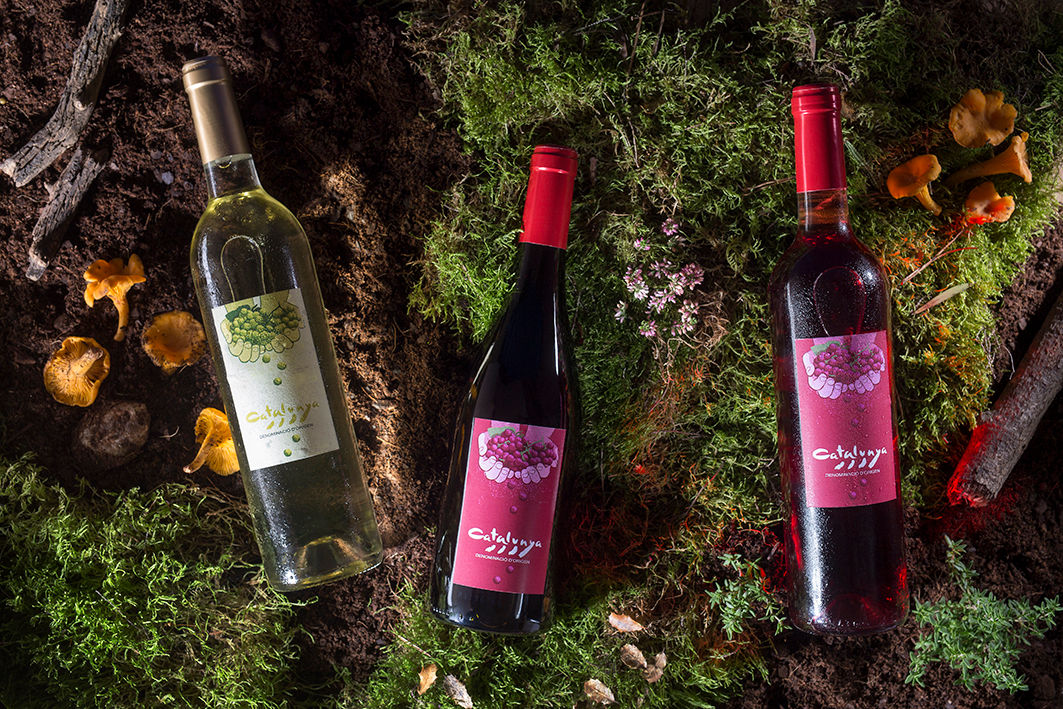
Currently, DO Catalunya sells more than 50 million bottles a year and represents more than 50% of Catalan wine with a designation of origin. It was created in 1999 extending to all the areas where the vine had traditionally been grown: thus superimposing other Catalan denominations already created and incorporating some areas that were excluded from DO and where they were made high quality wines.
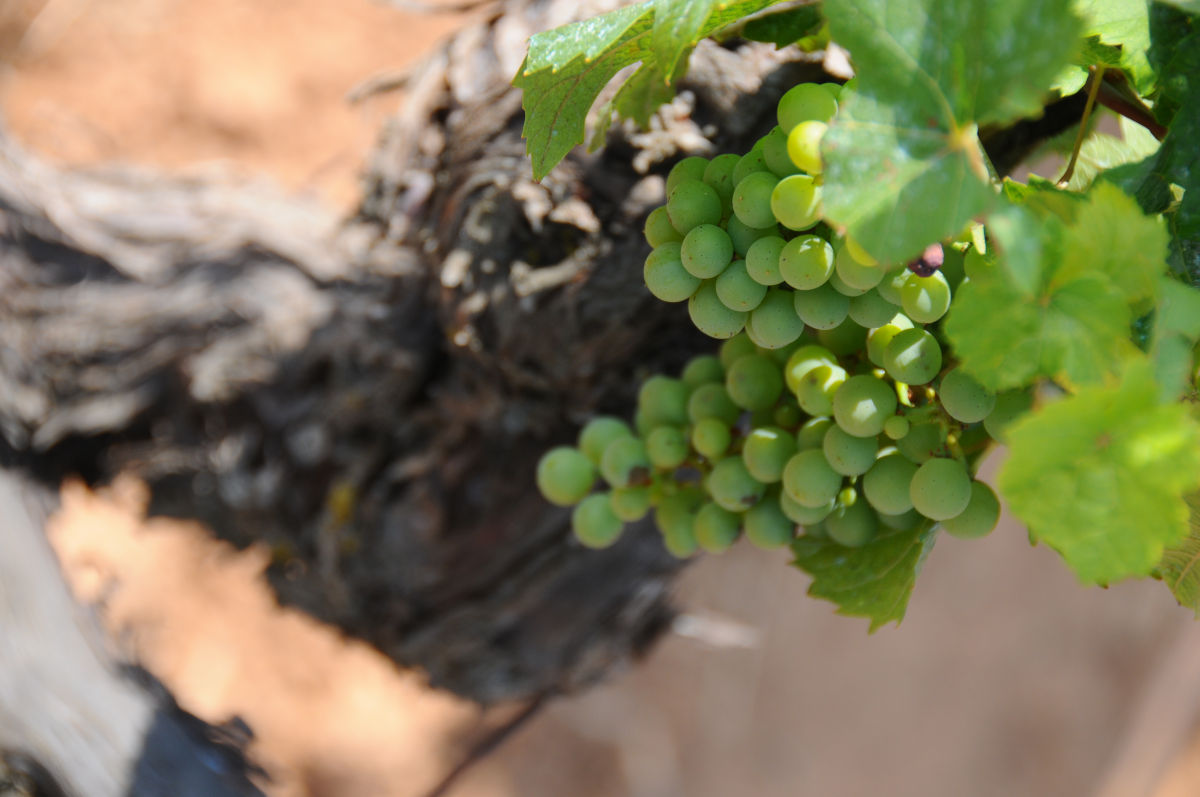
The breadth of the production area results in a wide range of soils, climates and grape varieties (36 perfectly adapted indigenous and international ones) that provide the producer with a diverse, flexible and creative framework in the conception of the wines. DO Catalunya welcomes traditional wines as well as more innovative wines with the same common denominator: the search for excellence.
The DO Catalunya was created in 1999 with the belief that as Catalonia in general is a wine-making region, no quality Catalan wine should be without a DO Its geographical area is the whole of wine-growing Catalonia, which means that it does not only protect areas without another DO but overlaps with the others.
As such, the identity of the DO Catalunya comes more from the shared history and tradition among the various Catalan wine regions than from a single geography or climate, which are very diverse and result in diversity and richness.
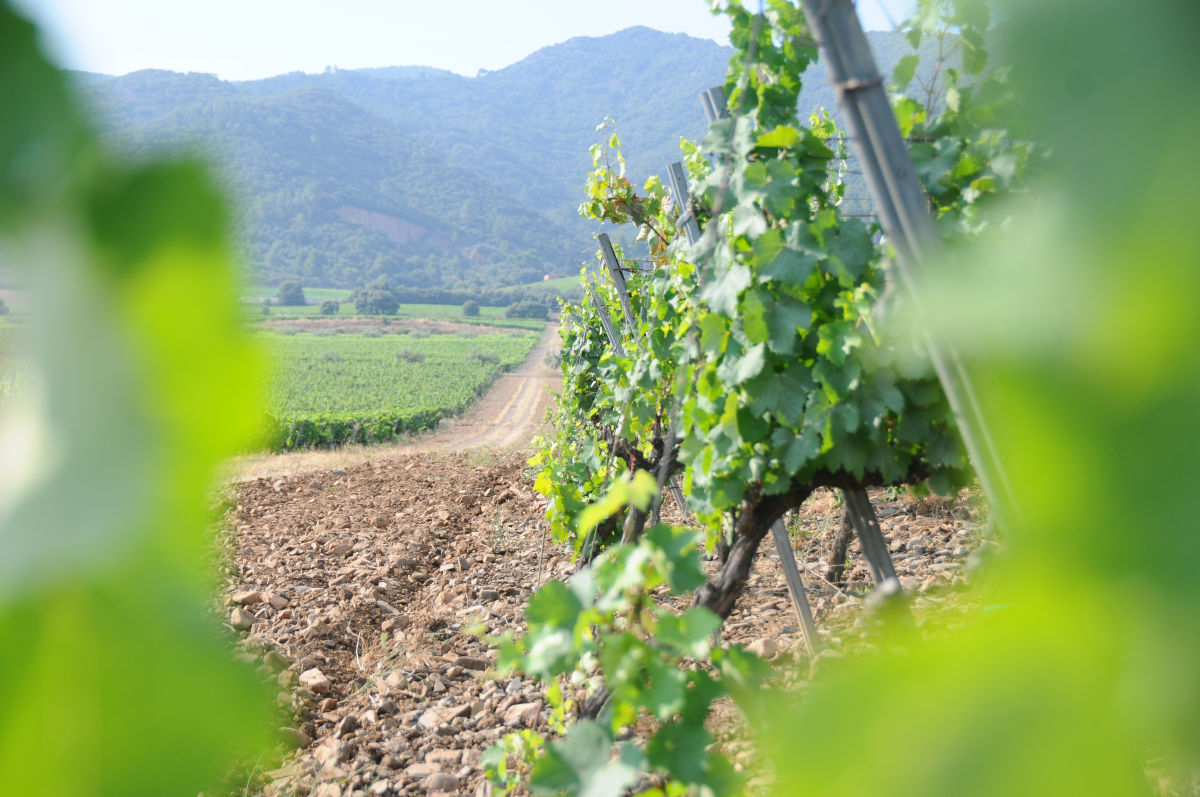
It covers 42,985 hectares of wine-growing land spread over 426 municipalities in Catalonia, where vineyards have been traditionally cultivated and where they are characteristic of the landscape and culture. The regulation is broader that of the other DO and protects various types of wine and a wide range of grape varieties, which in practice are all of the varieties authorised in the other Catalan designations of origin. Many wineries have joined to be able to make wines with more freedom, more personal wines, made with grape varieties not authorised by the local DO, or to be able to use coupages of grapes with differing characteristics and origins: for example, to blend stronger grapes from dry land to make a particularly full-bodied wine in the Penedès.
These characteristics make it an avant-garde and innovative DO, where experimentation translates into high quality wines that reflect new trends or are even ground-breaking.
Catalonia, an international point of reference
Large wineries have joined the DO Catalunya on the grounds that when it comes to exporting, particularly widely consumed wines, the local DO system may not be very informative as most international consumers are probably not familiar with the differing features of Catalan geography. The DO Catalunya has therefore become a point of reference for the quality and identity of Catalan wines around the world.